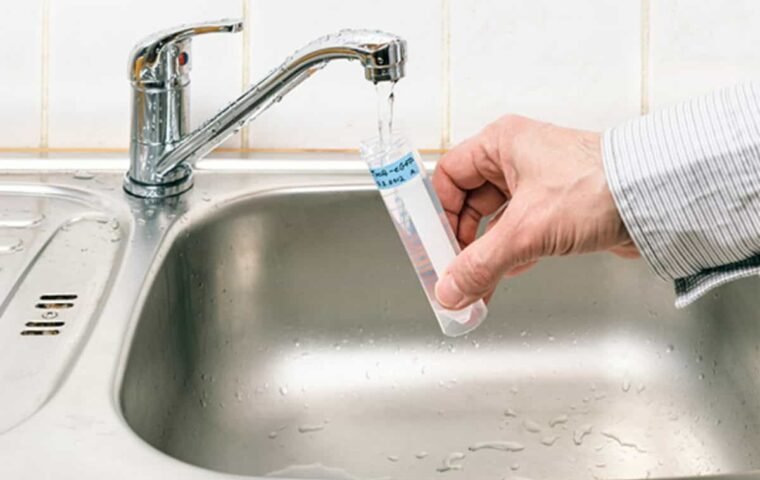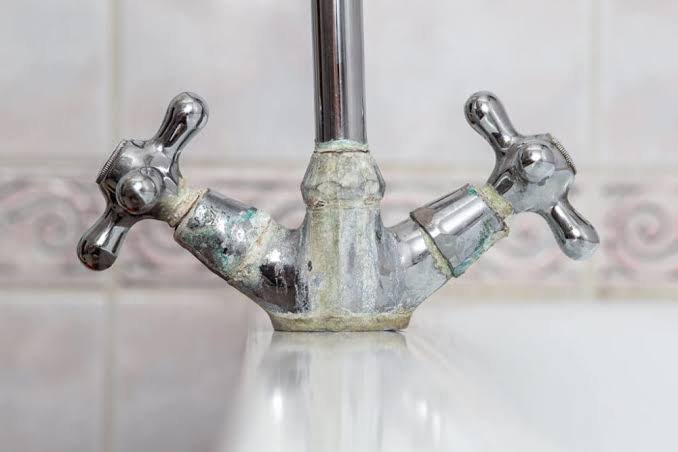
It’s easy to ignore water. It’s always there, always flowing, always doing its job. Until one day, it feels… different. Not bad exactly, just a little off. A strange aftertaste, maybe. Or a faint smell that lingers longer than it should. You pause, shrug, move on.
But then it happens again. And this time, you don’t ignore it.
The Subtle Clues Hiding in Plain Sight
Water doesn’t usually scream for attention. It nudges you gently. A cloudy glass. A metallic hint in your tea. Soap that refuses to lather properly. These are the quiet signals that something has shifted.
And the truth is, most of us don’t notice right away. We’re busy. We adapt. We assume it’s normal. But those little signs? They’re worth paying attention to.
Because water, as simple as it seems, carries more than just hydration.
What’s Really Flowing Through Your Tap?
Here’s the thing—tap water isn’t just H2O. Depending on where you live, it can contain minerals, chlorine, sediments, and sometimes trace contaminants. Most of it is regulated, yes, but that doesn’t mean it’s ideal for your home.
That’s where the idea to remove contaminants becomes more than just a technical phrase. It becomes a practical step toward improving your everyday life. Not out of fear, but out of awareness.
You’re not trying to achieve perfection—you’re just trying to make your water feel right again.
Taste: The First Thing You Notice (and Remember)
If there’s one thing people pick up on quickly, it’s taste. Water that doesn’t taste good tends to stay on your mind. You might find yourself reaching for bottled alternatives or adding flavor just to mask it.
But when your water improves, something interesting happens. You start enjoying it again. Drinking more without thinking about it.
That’s the quiet shift toward better tasting water. It’s not about luxury—it’s about restoring something basic that should’ve been right all along.
And once you get used to it, going back feels strange.
Beyond Drinking—Water Shapes Your Entire Home
We often focus on what we drink, but water touches nearly everything. It runs through your shower, your washing machine, your kitchen sink. It affects how your clothes feel, how your skin reacts, even how your appliances perform over time.
If your water isn’t balanced, it shows up in these areas too. Maybe not dramatically, but consistently.
And over time, those small inconveniences add up.
The Role of Awareness in Better Living
Improving your water quality doesn’t have to be complicated. It starts with noticing. Asking simple questions. Trusting your instincts when something feels off.
You don’t need to dive into technical details right away. Just pay attention to how your water behaves—how it tastes, smells, and interacts with your home.
From there, solutions become clearer. Not overwhelming, just practical.
Why Simple Changes Often Work Best
There’s a tendency to overthink water solutions. To assume you need the most advanced system or the most expensive setup. But often, that’s not the case.
Small, targeted improvements can make a noticeable difference. Whether it’s filtering out specific elements or adjusting mineral balance, the goal is to solve the problem—not complicate it.
And sometimes, less really is more.
The Emotional Side of Clean Water
It might sound unusual, but water has an emotional impact too. When it feels clean and reliable, it creates a sense of ease. You stop questioning it. You trust it again.
That trust, in something so basic, has a ripple effect. Your home feels more comfortable. Your routines feel smoother. There’s less friction in your day.
And that’s not something you can measure easily—but you can definitely feel it.
A Thought That Lingers
Water is one of those things we take for granted until it starts behaving differently. And when it does, it invites us to look closer—not with worry, but with curiosity.
You don’t need to rush into decisions or overhaul everything overnight. Just start noticing. Pay attention to the small details. Explore your options when you’re ready.
Because sometimes, the simplest improvements—like better water—end up making the biggest difference in how your everyday life feels.
And once you experience that shift, it’s hard to ignore again.