There’s a small moment most of us repeat every day without thinking—lifting a glass of water and taking that first sip. It’s automatic. No questions, no hesitation. Just routine.
Until one day, it isn’t.
Maybe the taste feels slightly off. Not bad exactly, just… different. Or you catch a faint smell you can’t quite place. You pause, take another sip, and suddenly something that used to feel invisible becomes oddly noticeable.
It’s funny how quickly that shift happens.
When Water Stops Being “Just Water”
We grow up assuming water is simple. Turn the tap, fill a glass, drink. Done.
But the reality is a bit more layered. Water travels—through treatment plants, pipes, storage systems, sometimes even through older infrastructure that’s seen better days. Along the way, it picks up traces of things: minerals, chlorine, maybe even tiny particles you can’t see.
Most of the time, it’s still considered safe. But “safe” doesn’t always mean ideal.
That’s why the idea of clean drinking water isn’t just about safety standards anymore. It’s about comfort, taste, and the quiet confidence that what you’re consuming daily actually feels right.
The Subtle Clues We Tend to Ignore
If you think about it, your home already gives you hints.
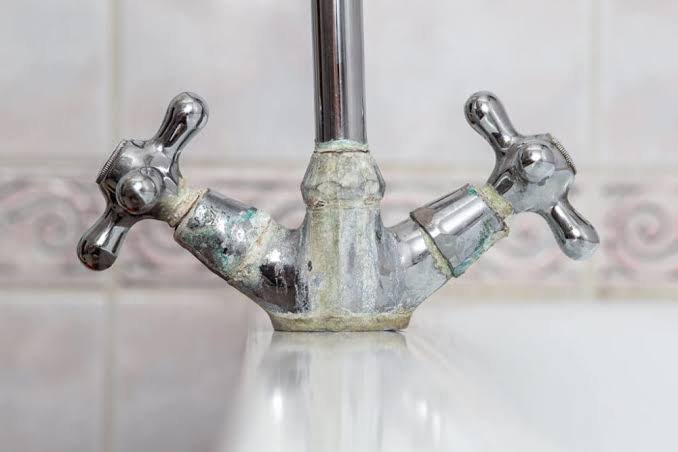
A kettle that builds up scale too quickly. Glassware that looks cloudy even after washing. Soap that doesn’t lather as easily as it should. These aren’t dramatic problems, but they’re signals.
Sometimes, the biggest clue is taste. Water should feel neutral—almost invisible on the tongue. When it doesn’t, even slightly, it changes your whole experience.
You might not notice it every time, but once you do… it sticks.
Why Taste Matters More Than We Admit
People often focus on safety when it comes to water, and that makes sense. But taste plays a bigger role than we give it credit for.
If water tastes good, you naturally drink more of it. Stay hydrated without thinking twice. But if it has a lingering aftertaste or smell, you might subconsciously avoid it—reaching for something else instead.
That’s where the idea of better tasting water comes in. It’s not about luxury or indulgence. It’s about making something essential feel effortless again.
Even small changes can have a ripple effect. Your morning tea tastes smoother. Coffee feels richer. Cooking, oddly enough, becomes more satisfying too.
The World of Filtration (And Why It’s Not One-Size-Fits-All)
Once you start looking into improving water quality, you’ll realize pretty quickly—it’s not a simple decision.
There are pitchers, faucet filters, under-sink systems, whole-house setups. Each comes with its own purpose and level of complexity. And honestly, it can feel a bit overwhelming at first.
At its core, water filtration is about removing what shouldn’t be there while preserving what should. Sounds straightforward, but in practice, it depends entirely on your local water conditions.
Hard water? You might need softening. Strong chlorine taste? Activated carbon filters can help. Concerned about dissolved solids? More advanced systems might be worth exploring.
The trick is not chasing the “best” solution overall—but the right one for your home.
The Quiet Benefits You Don’t Expect
Improving your water isn’t something you show off. No one walks into your home and says, “Wow, amazing water you’ve got here.”
But you notice.
Your skin feels a bit less dry after a shower. Your appliances—kettle, washing machine—seem to last longer. There’s less buildup, less maintenance. It’s subtle, but consistent.
And then there’s the mental side of it. That small sense of reassurance. You stop second-guessing what’s in your glass. You just drink.
Funny how something so basic can bring that kind of ease.
Starting Without Overthinking It
If you’re considering making a change, don’t complicate it right away.
Start by paying attention. What are you noticing? Taste, smell, residue? These clues matter more than any marketing claim you’ll read online.
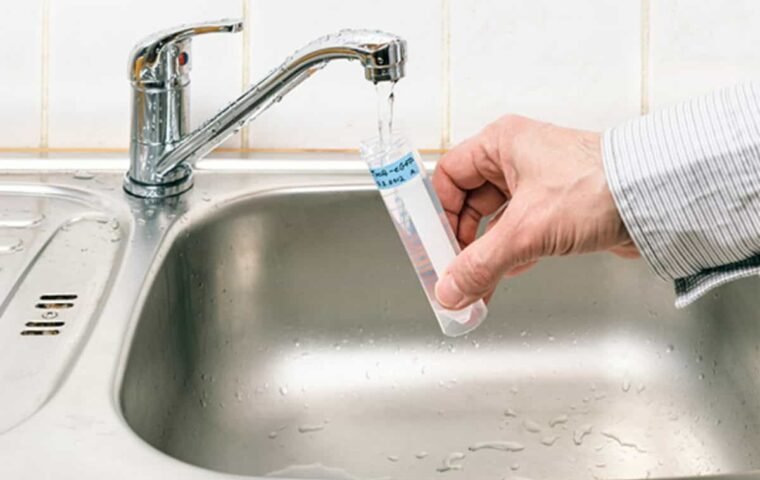
If possible, get your water tested. Even a simple analysis can give you direction. From there, you can decide whether you need a basic filter or something more advanced.
And honestly, it’s okay to start small. A simple solution that improves your daily experience is better than waiting forever for the “perfect” system.
A Small Change That Stays With You
What’s interesting about better water is how quickly it becomes your new normal.
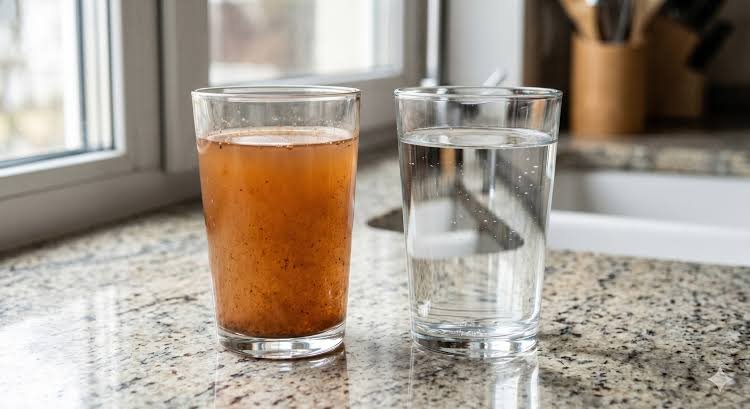
At first, you notice every difference—the taste, the clarity, the way your tea looks. But over time, it fades into the background again. Only now, it feels right.
And maybe that’s the goal. Not to think about water constantly, but to trust it without hesitation.
Because in the end, that first sip should feel simple again. Just water—exactly as it should be.