It’s rarely dramatic. No alarms, no sudden change in color. Just a quiet pause—maybe while taking a sip of water or standing under the shower—when something feels slightly off. You can’t always explain it. The taste isn’t terrible, the smell isn’t strong, but there’s a sense that things could be… better.
And that’s usually where the curiosity begins.
The Subtle Hints We Learn to Ignore
Water has a way of blending into the background of daily life. It’s there when you need it, and most of the time, you don’t question it. But every now and then, it nudges you with small signals.
A faint smell when you turn on the tap. Soap that doesn’t quite lather the way it used to. Dishes that dry with a slight film instead of a clean shine.
Individually, these things don’t seem important. Together, though, they start telling a story—one that’s easy to overlook until you decide to pay attention.
Starting With Understanding, Not Guesswork
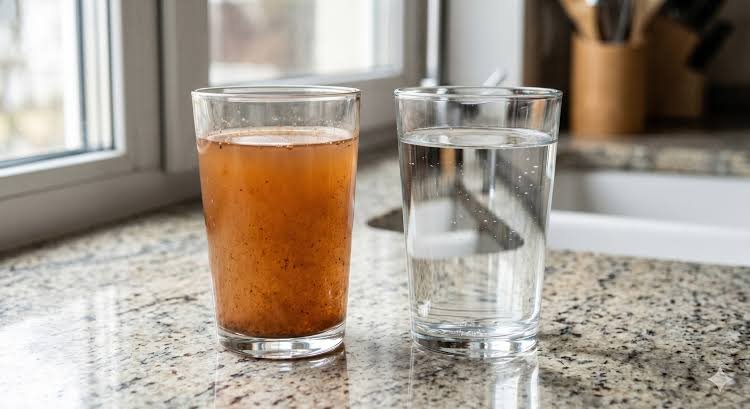
When something feels off, the instinct is often to fix it immediately. Buy a filter, change products, try something new. But without knowing what’s actually in your water, it’s a bit like guessing in the dark.
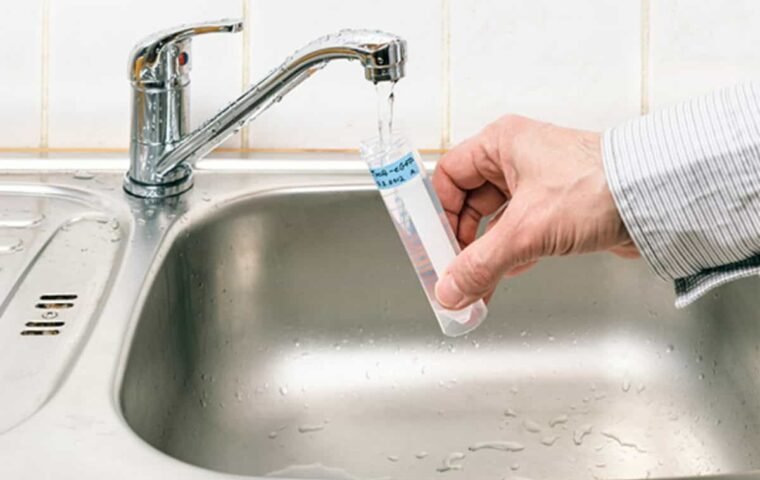
That’s why a free water test can be surprisingly helpful. It gives you a clear picture of what you’re dealing with—whether it’s minerals, chlorine, or something else entirely. And once you have that information, your decisions become more focused, less trial-and-error.
It’s not about overcomplicating things. It’s about replacing assumptions with clarity.
The Quiet Role of Minerals
In many homes, especially in certain regions, water carries dissolved minerals like calcium and magnesium. These are completely natural, but they can influence how water behaves in your home.
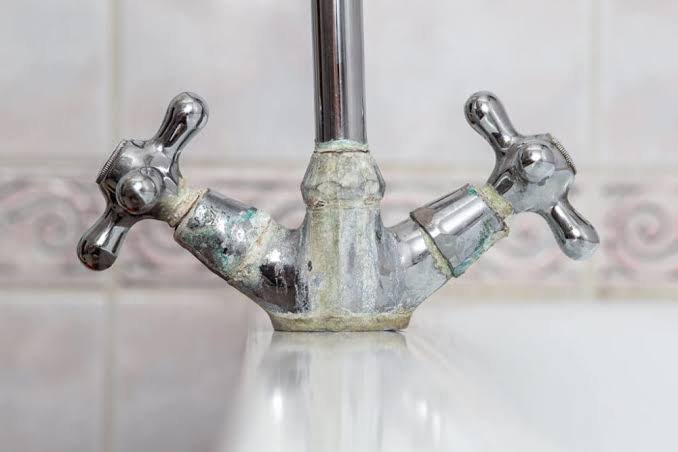
These hardness minerals don’t disappear when water evaporates. Instead, they leave behind traces—on your faucets, your dishes, even inside your appliances. Over time, those traces build up, affecting both appearance and performance.
You might notice it as a chalky residue or a slightly rough feel on surfaces. Nothing alarming, just persistent.
And persistence, in this case, is what makes it worth understanding.
When Taste Becomes a Clue
Sometimes, the most noticeable difference isn’t what you see—it’s what you taste. Water can carry subtle flavors that change how it feels to drink.
For many people, that comes down to chlorine taste odor, a byproduct of the treatment process used to make water safe. It’s effective, necessary even—but it can leave a distinct impression that’s hard to ignore once you notice it.
It doesn’t mean your water is unsafe. It just means it might not be as pleasant as it could be.
And when it comes to something you drink every day, that matters more than we often admit.
Living With It vs. Improving It
One of the interesting things about water is how adaptable we are to it. We adjust without realizing—using more soap, cleaning more often, maybe even drinking less water because it doesn’t taste quite right.
But those adjustments are workarounds, not solutions.
Improving your water isn’t about chasing perfection. It’s about removing those small frictions that you’ve learned to live with. Making daily routines feel smoother, more natural.
And often, it starts with something as simple as understanding what’s there.
Finding What Works for You
There’s no universal answer when it comes to water improvement. Some homes benefit from filtration systems that focus on taste. Others need solutions that address mineral content. And some might require a combination of both.
The key is to match the solution to the problem, not the other way around.
That’s why starting with awareness—what your water contains, how it behaves—is so important. It keeps things practical. Grounded.
You’re not trying to fix everything. Just what matters.
A Small Change That Feels Bigger Over Time
Looking back, it’s easy to underestimate how much water influences your daily life. It’s in your morning coffee, your evening shower, your laundry, your cooking—almost everything.
And when it’s slightly off, even in small ways, it creates a kind of background discomfort.
Fixing that doesn’t bring fireworks or dramatic before-and-after moments. It’s quieter than that. But it’s also more lasting.
You start noticing that your water tastes better. That cleaning takes less effort. That things just feel… easier.
And eventually, you stop noticing it at all.
Which, in a way, is the best outcome—water that does its job so well, it fades back into the background where it belongs.