Let’s get real for a moment—when was the last time you actually thought about your water? Not the monthly bill, not the weather forecast that says “chance of rain,” but the stuff coming out of your kitchen tap. Chances are, like most people in Omaha, it’s been a while. I was right there with you—until a string of strange little annoyances piled up and nudged me to look closer.
From the Faucet to Frustration
It started with my morning coffee. It tasted…off. I blamed the beans. Then the kettle had a weird buildup. My shower? Left me feeling more dry than clean. Still, I chalked it up to winter.
But then came the laundry. Shirts looked dull. Towels rougher than they should’ve been. That’s when it clicked. Maybe—just maybe—it wasn’t the soap. Or the weather. Or the coffee. Maybe it was the water itself.
So, I went down the rabbit hole of research. And guess what? It’s a thing. A big thing. Especially around here. Turns out, water treatment Omaha is more than just a line in a brochure—it’s a growing necessity.
Hard Water and Its Soft Attack
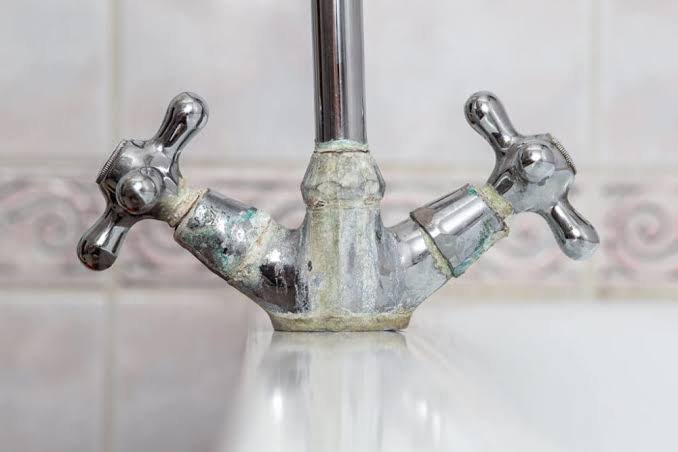
Let’s break it down. Omaha, like many Midwest cities, deals with “hard water.” That means your water is loaded with extra minerals like calcium and magnesium. Sounds harmless, right? Except over time, these minerals leave deposits everywhere—from your appliances to your hair follicles.
Your dishwasher runs slower. Your water heater works harder. Your hair gets brittle. It’s like a slow leak in your home’s efficiency and comfort.
And it doesn’t stop at inconvenience. Those minerals can damage pipes, reduce appliance life, and even affect your skin’s health.
Why I Finally Gave in to the Solution
For me, the tipping point was cost. I started tracking how often I was replacing things—filters, kettles, shampoo bottles. Not to mention the energy bill climbing from overworked systems.
That’s when I learned about the benefits of a water softener. Not the clunky, outdated contraptions from decades ago, but sleek, modern systems that quietly do their job while you go on with life. No dramatic revamps needed—just one smart upgrade that changes everything.
And it wasn’t just about the soft water feel (though let me tell you, that first shower after installation? Glorious). It was about the long-term savings, the sustainability, and yes—finally having decent-tasting coffee again.
The Local Help That Made It Happen
Look, we all know Omaha has its own flavor. We like things practical, reliable, and done right the first time. So, when I started looking for solutions, I wasn’t just after the best system—I wanted the best people to guide me through it.
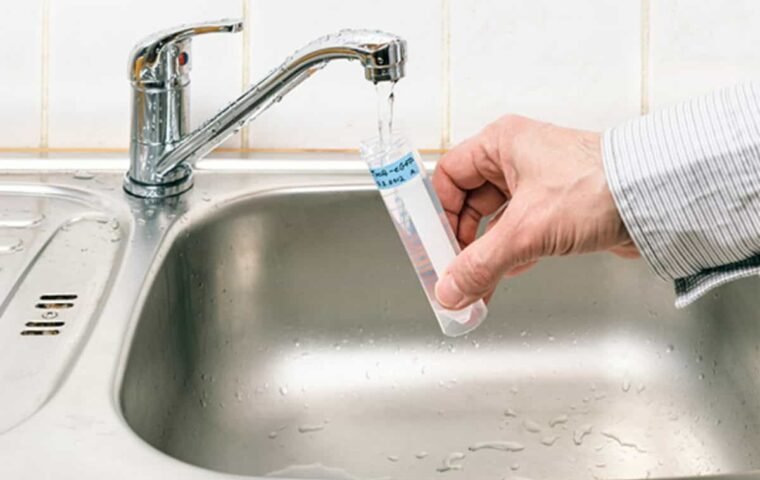
That’s how I stumbled across local providers who specialize in water softener Omaha installs. And trust me, it matters. These aren’t just generic techs dropping in to do a job. They understand our water. Our pipes. Even our local codes. It made everything smoother, faster, and a lot less intimidating.
They tested my water, walked me through options, answered my endless “but what if…” questions, and followed up after everything was set. It felt like talking to a neighbor—not a sales pitch.
So, What’s the Difference After?
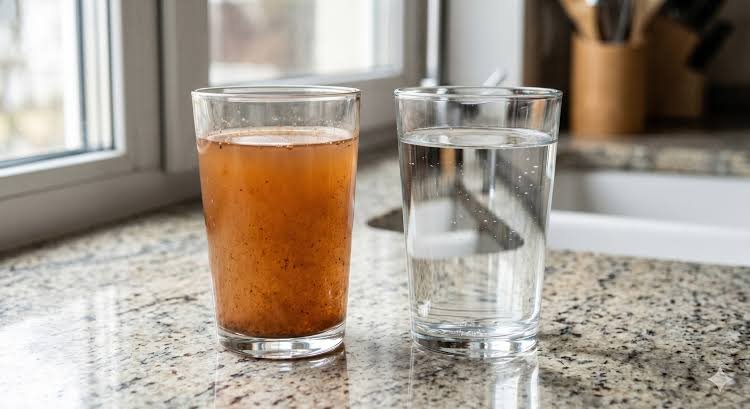
Oh, where do I even begin? The dishes come out sparkling, without the foggy haze. The laundry feels like laundry again—soft, clean, no stiffness. Showers are…well, you might end up spending a few extra minutes just because it feels so good.
My skin calmed down. Hair? Shinier. Even the pets seemed to like it more (yes, I’m serious—my dog stopped scratching as much).
And I noticed something I didn’t expect—peace of mind. Knowing that the water we’re using every day is actually working with us, not against us, made everything at home feel a bit more in sync. I wasn’t constantly trying to solve problems that were sneaking in from a hidden, overlooked source.
But Is It Worth the Investment?
Short answer: yes. Longer answer? It depends on what you’re looking for. If you’re fine with scrubbing calcium deposits off your sink weekly and replacing appliances sooner than expected, maybe hold off.
But if you’re tired of throwing money at temporary fixes, if you’re ready for a home upgrade that you actually feel—this is it.
I’d compare it to switching from dial-up to high-speed internet. You don’t fully get what you’re missing until you make the leap. Then there’s no going back.
What to Watch Out For
Not every product is built equal, and not every company has your best interest at heart. Avoid overpromises. Ask for detailed water test results. Look for transparency in pricing. And above all, choose someone who listens.
A real professional won’t just sell you the priciest thing—they’ll guide you to what makes sense for your home, your family, and your budget.
You can even find some helpful guides online comparing systems and features. Take your time. Ask around. Omaha’s a small-big city—you’re bound to get some good recommendations from neighbors who’ve been through it.
Wrapping It All Up
There’s a strange kind of joy in solving a problem you didn’t even know you had. That’s what water treatment did for my home. It wasn’t flashy. No new paint. No smart gadgets. Just clean, reliable, comfortable living that starts at the most basic level: water.