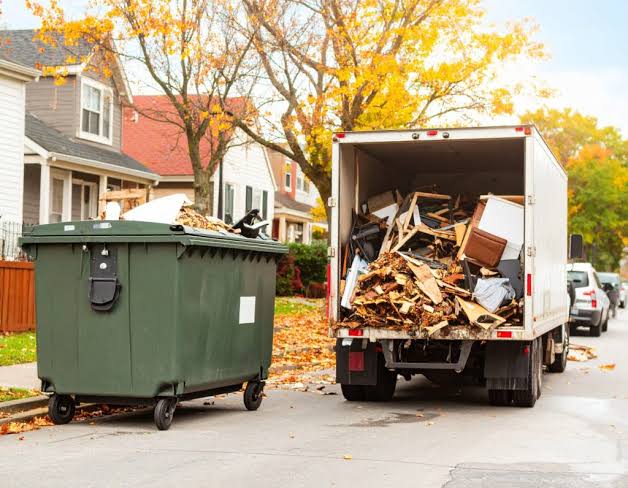
Every business produces waste, even when it doesn’t seem like much at first. A small restaurant deals with food packaging and delivery boxes. A retail store accumulates cardboard throughout the week, while an office may generate old furniture, paper, and renovation debris during a move. These things are part of running a business, but when waste begins to pile up, it can interfere with daily operations faster than expected.
A well-planned waste removal system helps keep the workplace organized without adding another headache to the manager’s schedule. The key is choosing a container that fits the property’s needs, understanding how much waste is produced, and arranging collections that make sense for the business. It sounds straightforward, and usually it is, once you know what to look for.
Understand Your Business’s Everyday Waste
Before choosing a dumpster, take a few minutes to understand what your business throws away and how frequently the waste needs to be collected. A café with steady daily rubbish may need a different arrangement from a warehouse that produces large amounts of cardboard during deliveries. A contractor working on a renovation may need a temporary container rather than a permanent waste solution.
Start by observing your current routine. Does the existing bin fill before collection day? Are employees leaving boxes beside the container because there isn’t enough room? Does waste accumulate mainly during particular shifts or after large deliveries? These small details can tell you whether you need more capacity, more frequent pickups, or simply a better arrangement.
The type of material matters, too. Cardboard, packaging, general rubbish, and bulky items occupy space differently. Heavy materials such as concrete, bricks, and soil can reach weight limits quickly, even when a container isn’t full. Some materials also require separate handling, so it’s important to understand the provider’s restrictions before arranging service.
Once you have a reasonable picture of your waste volume, comparing container options becomes much easier. You’re making a decision based on how the business actually operates, not just choosing a size because it looks suitable.
Choosing a Container for Smaller Commercial Spaces
Not every business needs a large dumpster sitting outside its building. Smaller shops, cafés, offices, and service businesses may generate a manageable amount of waste each day but still need something more convenient than ordinary municipal bins.
A 4-yard commercial dumpster can be worth considering for businesses with relatively modest waste volumes. It may suit a small retail location, a compact office, or another operation that produces routine rubbish and packaging without generating large quantities of bulky debris. The right collection frequency depends on how quickly the container fills and the type of material being discarded.
Placement is particularly important for smaller commercial properties. Space behind a building may be limited, deliveries may use the same access route, and employees need to reach the container without crossing busy loading areas. Measure the available space before booking and confirm that the collection truck can reach the location safely.
It’s also helpful to consider how waste is prepared. Flattening cardboard boxes, breaking down suitable packaging, and keeping recyclables separate where appropriate can make better use of the available capacity. These habits won’t solve every waste problem, but they can prevent a small container from filling unnecessarily fast.
When Your Business Needs More Room
As a business grows, its waste requirements often change. A store may expand its product range, a restaurant may increase deliveries, or a property management company may take responsibility for additional buildings. The container that worked well a year ago might no longer be enough.
For businesses with moderate waste volumes, a 6-yard commercial dumpster may offer a practical middle ground. It can provide additional capacity for cardboard, packaging, and general commercial waste while remaining suitable for many properties with limited outdoor space.
However, choosing a larger container doesn’t automatically solve an overflowing-bin problem. If waste is generated faster than the agreed collection schedule can handle, the pickup frequency may need adjusting. In other situations, separating recyclable materials or improving how items are prepared for disposal may help reduce the amount of space required.
Think about the busiest days rather than an average day alone. A restaurant might produce more packaging before the weekend, while a retail store could experience a surge after a major delivery. Planning around those patterns helps you avoid paying for unnecessary capacity while still keeping waste under control.
Discuss these details with your provider. An accurate description of the business’s routine can help identify a sensible combination of container size and collection frequency.
Supporting Busier Locations and Higher Waste Volumes
Some commercial properties generate considerably more waste than others. Busy restaurants, supermarkets, larger office buildings, and multi-tenant properties may produce packaging and general rubbish throughout the day. If waste collection can’t keep up, the problem becomes visible quickly.
An 8-yard commercial dumpster may be suitable for certain high-volume locations that need more capacity for everyday commercial waste. It can be useful where smaller containers fill too quickly, provided the property has enough room for placement and the waste falls within the container’s permitted limits.
Before making a decision, consider both volume and weight. A large amount of lightweight cardboard may require plenty of space, whereas dense materials can exceed weight restrictions sooner than expected. If your business handles unusual or heavy waste, explain that to the provider before booking rather than assuming a larger container will accommodate it.
Access also deserves careful attention. The dumpster should be positioned where employees can use it conveniently without obstructing deliveries, parking, fire access, or pedestrian routes. Keep in mind that collection vehicles need enough room to maneuver, and local rules may apply if a container is placed near a public street.
A little planning can prevent a practical waste solution from becoming an obstacle to daily business.
Understand Pricing and Collection Terms
Container size is only one part of the decision. The service agreement matters just as much, especially for businesses working with a regular operating budget.
Ask what the quoted price includes. Delivery, collection, rental periods, disposal charges, and weight allowances can vary between providers. Find out whether additional fees apply when the container exceeds its permitted weight or contains restricted materials. If your business occasionally generates extra waste, ask about the options available during busier periods.
Collection timing should fit your routine. A restaurant may need service arranged around deliveries and food preparation, while an office building might prefer collections outside its busiest hours. Clear scheduling helps employees maintain a tidy area and reduces the chance of waste overflowing before the next pickup.
It’s also wise to review the arrangement after a few weeks. If the dumpster is consistently half-empty, you may be paying for more capacity than necessary. If it regularly fills ahead of schedule, you might need a different size or a revised collection plan. Waste needs can change, and a good arrangement should be flexible enough to reflect those changes.
Keep the Waste Area Clean and Safe
A commercial dumpster area should be easy to access and reasonably tidy. Loose rubbish, leaking containers, and scattered packaging can attract pests, create unpleasant odors, and make the property look neglected. These issues are particularly noticeable when customers or visitors use the same entrance as delivery personnel.
Establish simple routines for employees. Keep waste inside the container, close lids where provided, separate restricted materials, and report damage or overflowing waste promptly. Clear instructions are especially helpful when several shifts or departments share the same disposal area.
Make sure the container doesn’t block emergency exits or create hazards for people moving around the property. If the site layout changes, review its placement rather than allowing the dumpster to remain in a location that no longer works.
A Practical Waste Plan Makes Business Easier
Managing commercial waste doesn’t have to consume valuable time. The process becomes much simpler when you understand what your business produces, choose a suitable container, and arrange collections that match your operating schedule.
Take the time to compare options, clarify service terms, and think about the space available at your property. A dependable arrangement can help maintain a cleaner workplace, support safer operations, and reduce interruptions caused by overflowing bins.
Ultimately, the right dumpster isn’t necessarily the biggest one or the least expensive one. It’s the option that fits your daily needs, works with your property’s layout, and gives your team one less thing to worry about while they focus on running the business.