You probably don’t think about your home’s water very often. It comes out of the tap, fills the kettle, runs through the washing machine, and makes a warm shower possible after a long day. Most of the time, that’s exactly how it should be. But when water starts leaving marks on your fixtures, affecting your laundry, or feeling different on your skin, those everyday routines can become surprisingly frustrating.
The tricky part is figuring out what’s causing the problem. Hard water, sediment, plumbing issues, and other water-quality concerns can produce symptoms that look similar at first. Fortunately, a little investigation can help you understand what’s happening and choose a solution that makes sense for your household.
Why Water Problems Often Show Up Around the Bathroom
Bathrooms are usually one of the first places where changes in water become noticeable. Water hits the shower screen, dries on the faucet, mixes with shampoo, and runs over tiles several times a day. If the water contains a high concentration of minerals, residue can gradually build up on these surfaces.
One common complaint is soap scum, the dull film that appears on shower doors, bathtubs, and bathroom tiles. It forms when soap ingredients react with minerals in hard water, creating a residue that ordinary rinsing may not remove easily. Over time, the film can make glass look cloudy and leave surfaces feeling less than clean.
Cleaning products can help, but choosing the right one matters. A mild, suitable bathroom cleaner and a soft cloth may be enough for light buildup. For heavier deposits, follow the product manufacturer’s instructions and avoid mixing cleaning chemicals, especially bleach with acidic cleaners. Abrasive pads can also scratch glass, polished metal, and certain finishes.
If the residue returns just days after cleaning, it may be worth testing your water hardness. Repeated scrubbing treats the visible symptom, but understanding the mineral content can help you decide whether a longer-term solution is needed.
What Hard Water Can Mean for Your Skin and Hair
Have you ever stepped out of the shower feeling as though you’ve rinsed thoroughly, yet your skin still seems tight? Or perhaps your hair feels rougher than usual despite using the same shampoo and conditioner. These experiences can have several causes, including weather, personal-care products, and individual skin sensitivity.
For some people, hard water may contribute to the feeling of residue left on the skin and hair. Minerals can interact with soaps and cleansers, making them more difficult to rinse away completely. However, water hardness isn’t the only explanation for irritation or dryness, and not everyone experiences the same effects.
The concern about dry skin and hair is one reason homeowners explore water-softening systems. A properly selected softener reduces calcium and magnesium through ion exchange, which can improve soap lathering and reduce hardness-related residue. Some people notice that bathing feels more comfortable after installation, although individual results vary.
A few simple habits may also help. Use a gentle cleanser suited to your skin, avoid very hot showers, and apply moisturizer after bathing if your skin tends to feel dry. For hair, a suitable conditioner can help manage roughness and tangling.
If skin irritation persists, becomes severe, or appears alongside other symptoms, don’t automatically blame the water. A healthcare professional can help identify other possible causes. Water treatment may improve the bathing experience, but it shouldn’t be treated as a guaranteed remedy for a medical condition.
When Water Looks Cloudy
Water that suddenly appears milky or hazy can be unsettling, especially when you notice it while filling a drinking glass. The good news is that some causes are harmless, but it’s important not to assume every change in appearance is insignificant.
Sometimes, cloudy water contains tiny air bubbles. Fill a clear glass and leave it undisturbed for a minute or two. If the water gradually clears from the bottom upward, trapped air may be responsible. This can happen because of pressure changes in the plumbing or temperature differences.
Other causes deserve closer attention. Sediment, corrosion, plumbing work, or changes in the water supply can affect appearance. If cloudiness persists, appears suddenly across multiple taps, or comes with an unusual smell, taste, or color, contact your water supplier or a qualified plumber. If you rely on a private well, appropriate testing may be necessary.
Don’t use appearance alone to judge whether water is safe to drink. Some contaminants cannot be seen, smelled, or tasted. If there’s a credible reason to suspect contamination, follow local public-health advice and use an appropriate alternative water source until the concern has been assessed.
Understanding the Difference Between Softening and Filtration
One of the most common mistakes homeowners make is assuming that all water treatment equipment does the same job. In reality, different systems are designed to address different concerns.
A water softener primarily reduces hardness minerals. This can help limit scale buildup, reduce certain types of residue, and make soaps easier to rinse away. It isn’t designed to remove every chemical, microorganism, or unwanted substance that might be present in water.
Filtration systems have different purposes depending on their design. Sediment filters capture suspended particles, while activated carbon filters can reduce certain substances that affect taste and odor. Reverse osmosis systems can reduce a range of dissolved contaminants when appropriately selected and maintained.
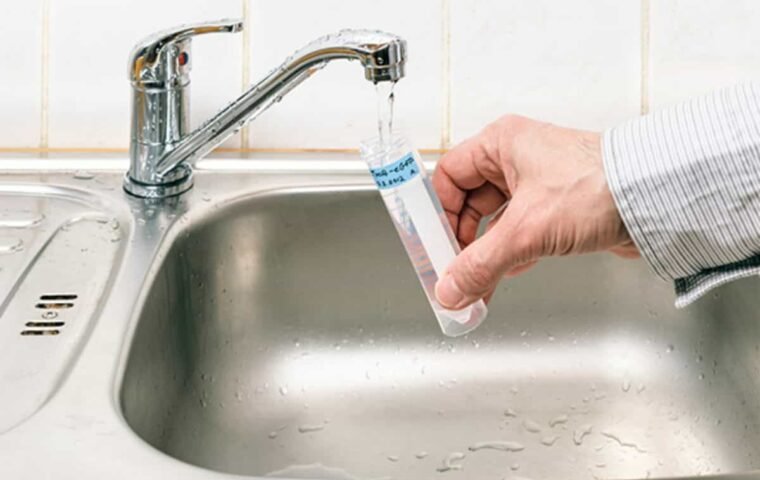
Before investing in equipment, identify the problem you’re trying to solve. If your main concern is white mineral deposits, testing hardness is a logical first step. If the water has a metallic taste or unusual color, additional testing may be more appropriate. If drinking-water safety is in question, use reliable testing rather than choosing a filter based on general marketing claims.
A qualified water-treatment professional should be able to explain the difference between the available options and why a particular system suits your results.
Don’t Ignore Your Plumbing and Appliances
Not every water-related problem originates in the water supply itself. Aging pipes, deteriorating fittings, water-heater issues, and poorly maintained appliances can all contribute to changes in water appearance or performance.
For example, if discoloration occurs only at one faucet, the issue may be localized to that fixture or its plumbing. If several taps are affected at the same time, the cause could be further upstream. A sudden drop in water pressure may also indicate a plumbing issue rather than a filtration problem.
Hard water can contribute to scale inside water heaters, showerheads, and other equipment. Over time, buildup may interfere with normal operation and increase maintenance requirements. Regular inspection, appropriate cleaning, and following appliance-manufacturer recommendations can help prevent small problems from becoming expensive repairs.
If you’re unsure whether the issue comes from the plumbing or the water itself, a plumber or water-treatment specialist can help narrow down the possibilities. That can save you from buying equipment that doesn’t address the real cause.
Choosing a Solution Without Overspending
It’s easy to feel that every water problem requires a new device. In practice, the best solution is often the one that addresses a clearly identified concern with the least unnecessary complexity.
Start with a few basic questions. Is the problem affecting every tap or just one? Did it begin suddenly or develop gradually? Is there visible residue, a change in taste, or simply a concern about what might be present in the water? These details can guide your next step.
Ask for written test results, clear product specifications, and an explanation of ongoing costs. Filters need replacement, softeners may require salt, and some systems need periodic servicing. Consider these expenses alongside the initial purchase price.
Be cautious of claims that one device can solve every possible water-quality problem. Effective treatment depends on the water’s characteristics, the technology being used, and proper installation and maintenance.
Making Everyday Water Feel Better
Water problems don’t always announce themselves in dramatic ways. Sometimes they’re little annoyances that build up over months: another mark on the shower glass, another kettle that needs descaling, or another load of laundry that doesn’t feel quite right.
The sensible approach is to pay attention, investigate the cause, and choose treatment based on evidence rather than assumptions. Water testing, routine plumbing maintenance, and the right treatment equipment can all play a part in improving your home’s water.
You don’t necessarily need the most complicated system available. You need one that fits your household, addresses the problem you’re experiencing, and can be maintained properly over time. Once you understand what’s happening, those everyday frustrations become much easier to manage.