Most people don’t think much about their water until something seems off. Maybe the showerhead starts collecting white buildup. Perhaps the dishes come out with spots, the water tastes a little strange, or the soap just doesn’t seem to work the way it used to. These little signs can be easy to dismiss, but they may be telling you something about the quality and characteristics of your household water.
The good news is that you don’t have to guess. A water test can provide useful information about what’s happening in your water and help you make smarter decisions about filtration or softening.
Why Testing Your Water Is Worth It
Clear water isn’t necessarily problem-free water. Many minerals and other substances can’t be seen, smelled, or noticed immediately. Hardness, for example, can quietly create scale inside plumbing and appliances for months or even years before the effects become obvious.
That’s why it can be helpful to schedule a free water test before spending money on a treatment system. Instead of choosing equipment based on a generic recommendation, you’ll have actual information to work with.
It’s a simple step, but it can prevent a lot of guesswork later.
What Happens During a Water Test?
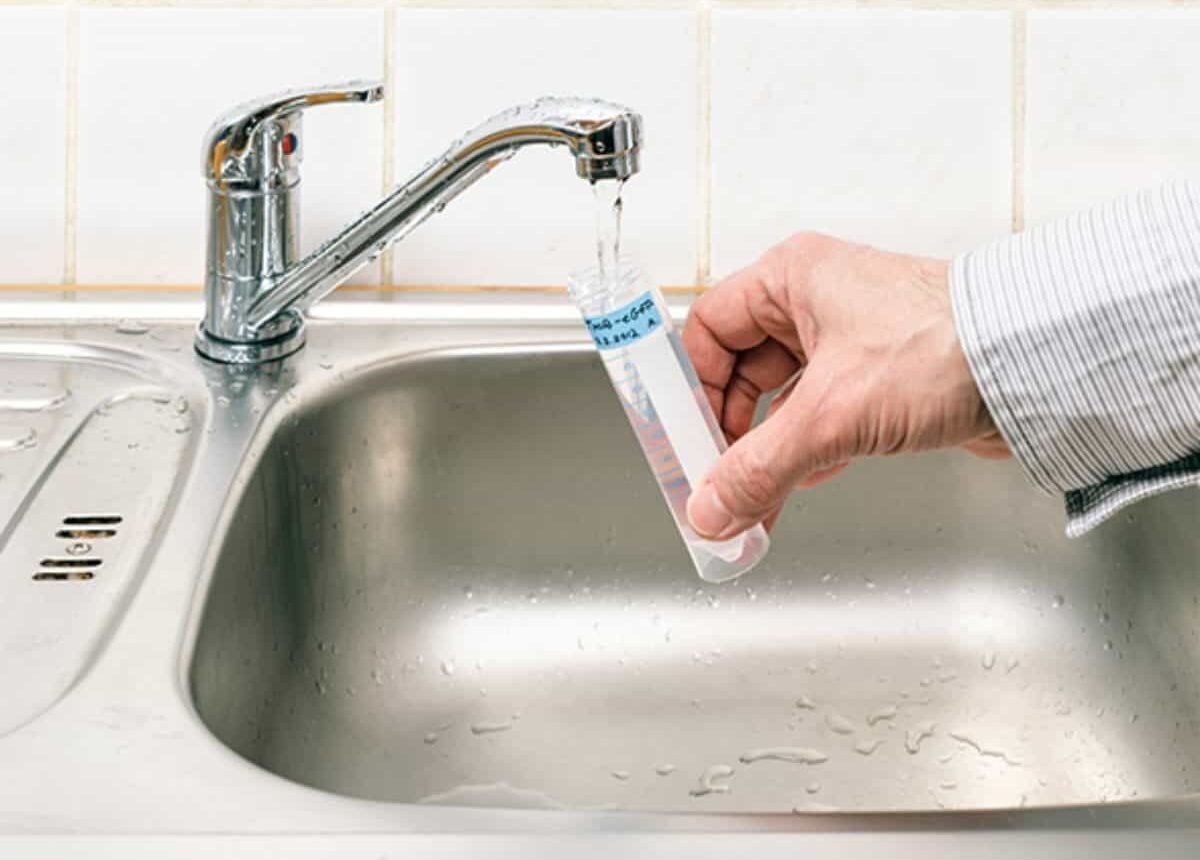
A typical household water test looks at different characteristics depending on the provider and testing method. Hardness is often an important factor, especially in homes experiencing mineral deposits or scale.
Other tests may look at factors related to water quality, taste, odor, or specific contaminants. The exact testing available can vary, so homeowners should ask what the test measures and how the results will be explained.
A good test isn’t just about handing you a sheet of numbers. The useful part is understanding what those numbers mean for your home.
Signs Your Water May Need Attention
Sometimes your house gives you clues.
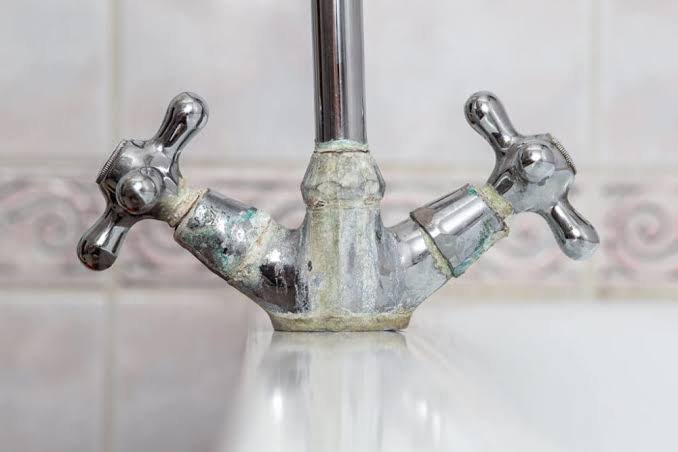
White or chalky residue around faucets can point toward hard water. Dry-feeling skin after a shower, difficulty getting soap to lather, and spots on dishes are also common complaints associated with water hardness.
Then there are less obvious signs. Maybe your water has an unusual smell or taste that you’ve simply gotten used to. Maybe an appliance seems to develop scale faster than expected.
None of these signs automatically proves there’s a serious water-quality issue. Still, they’re good reasons to investigate rather than ignore the problem.
The Convenience of In-Home Testing
For busy homeowners, going somewhere to have water tested isn’t always convenient. This is one reason free in-home water testing can be appealing.
Having the water evaluated at home allows the process to happen in the environment where the water is actually being used. A professional may also be able to look at the home’s plumbing setup and discuss concerns that aren’t obvious from a laboratory result alone.
And there’s something reassuring about being able to ask questions right there. If you’ve ever stared at a technical report wondering what half the terms mean, you know what I mean.
Understanding Hard Water
Hard water is one of the most common reasons homeowners investigate treatment options. It contains elevated levels of minerals, mainly calcium and magnesium.
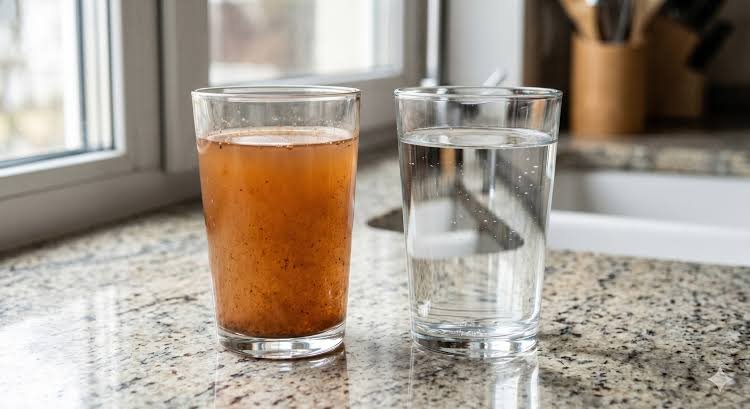
While hardness isn’t usually something you can identify just by looking at a glass of water, its effects can become obvious over time. Mineral scale may build up on fixtures, shower doors, pipes, and water-using appliances.
A water softener can help reduce hardness by exchanging certain minerals in the water. But whether you need one depends on your actual water conditions and household preferences.
Testing first gives you a much clearer starting point.
Don’t Choose a System Based on Guesswork
It can be tempting to search online, find a popular water treatment system, and assume it will solve every problem. Unfortunately, water treatment doesn’t work quite that simply.
Different systems are designed for different purposes. Filtration may be useful for certain sediment, taste, odor, or contaminant concerns, while softening is aimed primarily at hardness.
The right solution depends on the problem.
A water test can help narrow things down and make the conversation with a water treatment professional far more productive.
What Should You Ask About the Results?
When your test is complete, don’t be afraid to ask questions. You should understand what was tested, what the results indicate, and whether treatment is actually recommended.
Ask about hardness levels, filtration needs, maintenance requirements, and the expected lifespan of any equipment being suggested. If a company recommends a system, ask why that particular system fits your water.
You don’t need to become a water-quality expert overnight. You just need enough information to make a decision you feel comfortable with.
Free Testing Doesn’t Mean You Should Rush
The word “free” naturally gets people’s attention, but that doesn’t mean you should feel pressured into buying something afterward.
If you get your water tested free, treat the appointment as an opportunity to learn. Take notes. Ask questions. Compare recommendations if necessary. A reputable provider should be willing to explain the results clearly instead of making everything sound complicated.
The purpose of testing should be understanding your water first and discussing solutions second.
Making Better Decisions for Your Home
Water treatment is a long-term household decision. The equipment you choose can affect your daily routine, appliances, plumbing, and maintenance costs for years.
That’s why starting with a water test makes sense. You get a clearer picture of what you’re dealing with before making a purchase.
Maybe the results show that your water is perfectly fine and doesn’t require major treatment. That’s useful information too. Or perhaps the test reveals hardness or another concern that deserves attention. Either way, you’ll be making a decision based on facts rather than assumptions.
A Small Step Toward Better Water
You don’t have to wait until your faucets are covered in scale or your appliances are struggling before paying attention to water quality. A simple water test can be the first step toward understanding what’s coming through your taps every day.
For homeowners considering filtration or softening, testing can make the process less confusing and much more personal. Instead of asking, “Which system should I buy?” you can start with the better question: “What does my water actually need?”
That small change in approach can make a big difference. Better water decisions usually begin with better information.