There’s something reassuring about filling a glass straight from the kitchen tap and knowing the water tastes fresh. It’s a small, ordinary pleasure, really. But if your water has an unusual smell, leaves a strange aftertaste, or makes you question what might be in it, that simple routine can become less comfortable.
For many households, bottled water seems like the easiest alternative. Yet buying bottles week after week can become expensive, and the plastic waste adds up. A home water filtration system offers another option, provided you choose one that suits your water quality and daily needs.
The challenge is that there are plenty of products on the market, all promising cleaner, healthier water. Some are genuinely useful, while others may offer features you don’t need. Understanding how different systems work can help you make a sensible decision without spending more than necessary.
Why Home Drinking Water Quality Deserves Attention
Tap water can contain naturally occurring minerals, disinfectants, sediment, and other substances picked up during treatment or distribution. Public water suppliers generally treat water to meet applicable drinking-water standards, but conditions can vary by location. Older plumbing, local environmental factors, and private wells may introduce additional concerns.
Not every difference in taste or appearance indicates a safety problem. Hard water, for example, contains calcium and magnesium, which can leave deposits on kettles and faucets. Chlorine may create a noticeable smell, even when it’s being used appropriately for disinfection.
On the other hand, some contaminants cannot be seen, smelled, or tasted. That’s why clear water isn’t automatically proof of safety.
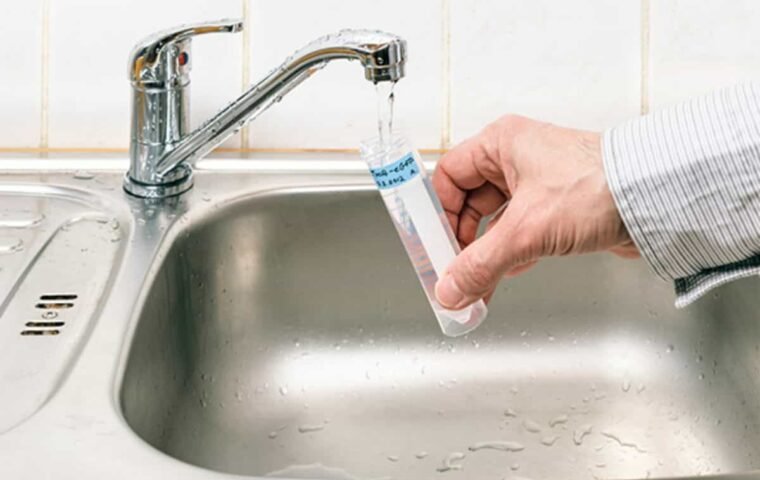
Before choosing equipment, consider checking your local water quality report or arranging a suitable water test. If you use a private well, regular testing is particularly important because its quality can change over time.
Knowing what’s actually in your water gives you a much better starting point than relying on product claims or a neighbor’s experience.
Understanding the Different Drinking Water Systems
Not every household needs the same type of filtration. A renter who wants better-tasting water may need something simple, while a family concerned about particular dissolved contaminants might require a more advanced setup.
Modern drinking water systems range from basic countertop filters to dedicated drinking-water units installed beneath the kitchen sink. Some rely on activated carbon, which can reduce chlorine taste and odor and certain other substances. Others combine multiple filtration stages to target a wider range of contaminants.
The important detail is that filtration performance varies. A filter designed to improve taste won’t necessarily remove lead, nitrates, dissolved salts, or microorganisms. Look for independent certification that specifically identifies the contaminants a product is designed to reduce.
Think about your daily routine, too. A small household that drinks only a few glasses of filtered water each day may have different requirements from a family that cooks frequently and fills reusable bottles throughout the day.
Capacity, installation, replacement-filter availability, and maintenance all matter. A system that’s easy to use and maintain is more likely to deliver consistent performance over the long term.
When Reverse Osmosis Makes Sense
Some water concerns call for more than a basic carbon filter. Reverse osmosis is a treatment process that uses pressure to move water through a semipermeable membrane, separating much of the dissolved material from the treated water.
For households looking to reduce certain dissolved salts, metals, and other specified contaminants, reverse osmosis systems can be a practical option. Many residential models combine the membrane with sediment and carbon filters, creating several treatment stages within one unit.
That doesn’t mean reverse osmosis is automatically the best choice for everyone. Its performance depends on the model, incoming water conditions, maintenance, and the substances being targeted. The system also produces a stream of wastewater during operation, although the amount varies considerably between designs.
Some systems include storage tanks, while others use tankless designs that produce filtered water on demand. Either arrangement can work well when selected for the household’s needs.
Another point worth considering is mineral content. Reverse osmosis reduces many dissolved minerals along with unwanted substances. Some units include a remineralization stage, but whether that’s useful depends on personal preference and the overall treatment goals.
Before purchasing one, check the product’s certified reduction claims, water-use requirements, and replacement costs. It’s better to select a system for a specific reason than to assume that more filtration always means better water.
Why Under-Sink Filters Are Popular
Kitchen counters are busy places. Between the kettle, cooking utensils, dish rack, and whatever else has accumulated near the sink, another appliance isn’t always welcome.
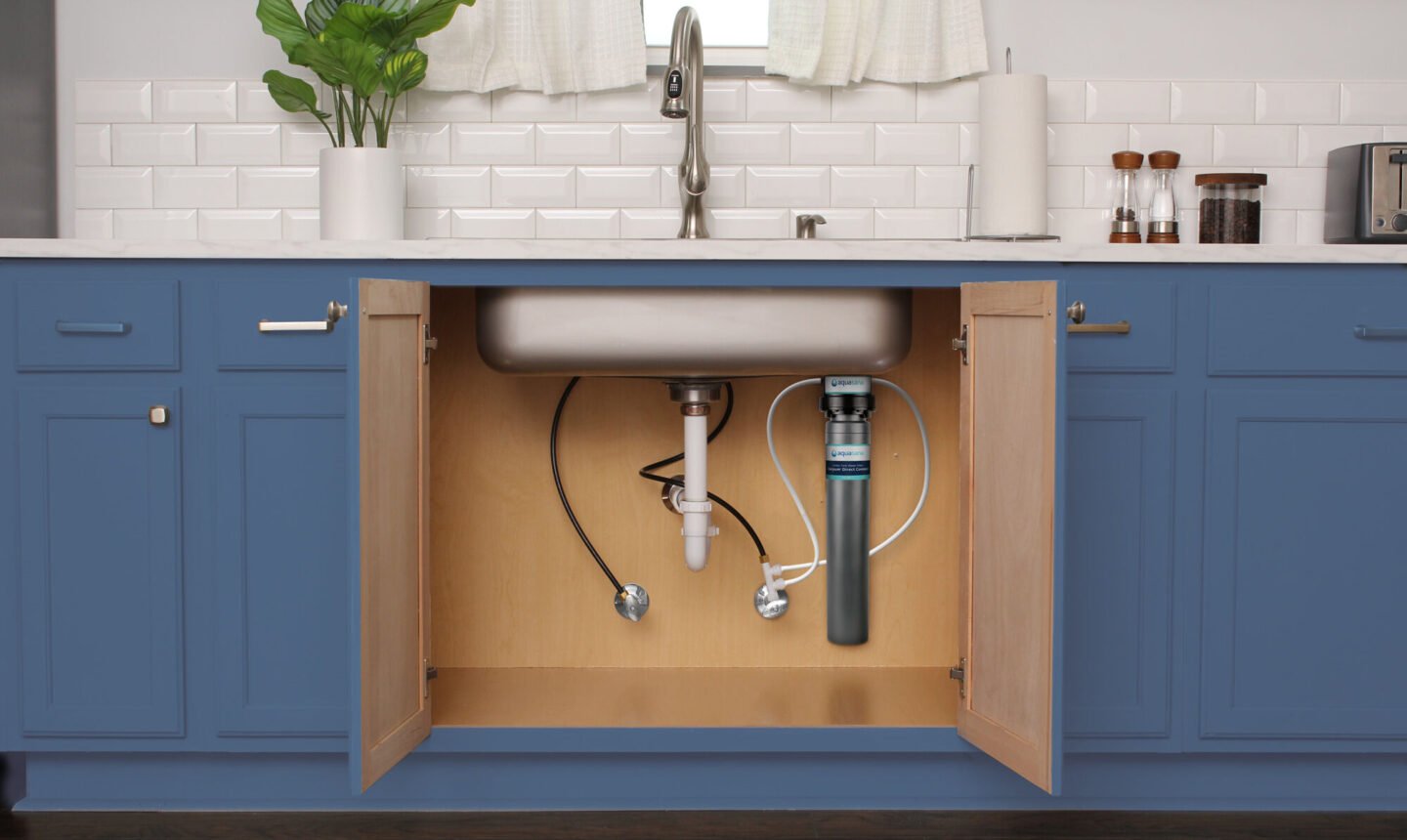
That’s one reason under-sink filtration units appeal to homeowners. They sit inside the cabinet below the sink and deliver treated water through a dedicated faucet or, in some designs, an existing tap connection. The filtration equipment stays out of sight, leaving the countertop relatively clear.
Depending on the model, an under-sink unit may use activated carbon, multiple filter cartridges, reverse osmosis, or a combination of technologies. This gives households flexibility when choosing equipment for taste improvement or specific contaminant reduction.
Installation isn’t always complicated, but it’s worth checking the plumbing requirements before buying. Some systems need a separate faucet, adequate cabinet space, and access to a power outlet. Reverse osmosis models may also require a drain connection and sufficient water pressure.
Renters should check whether installation involves drilling or plumbing modifications. A simpler countertop option may be more suitable when permanent changes aren’t allowed.
The convenience is hard to ignore, though. Once installed, a well-maintained under-sink filter can make it easy to fill drinking glasses, prepare meals, and refill water bottles without handling bulky containers.
Don’t Overlook Filter Maintenance
Even a good filtration system needs attention. Cartridges gradually collect particles or lose their ability to reduce certain substances effectively. If replacement is delayed, water flow may decrease, and the system may no longer perform as intended.
Follow the manufacturer’s recommended replacement schedule, but also pay attention to the conditions that affect filter life. High sediment levels, heavy daily use, and the quality of incoming water can all influence how frequently components need changing.
It’s useful to keep replacement dates somewhere visible, perhaps on a calendar or a small note inside the cabinet. That way, maintenance doesn’t become another task you remember only when the water starts tasting different.
If your system has indicator lights, don’t treat them as a substitute for the manufacturer’s instructions. Some indicators estimate usage rather than directly measure filtration performance.
Clean any reusable components as directed, and use replacement cartridges that are compatible with the system. A cheaper cartridge isn’t necessarily a bargain if its performance hasn’t been properly verified.
Comparing Costs Before You Buy
The initial purchase price tells only part of the story. A low-cost filter may need frequent cartridge changes, while a more advanced unit could involve installation, additional filters, or periodic servicing.
Make a simple comparison between the options you’re considering. Include the purchase price, estimated annual replacement costs, installation charges, and any electricity or water-use expenses.
It’s also worth comparing those costs with your current bottled-water spending. If your household buys several large bottles every week, a suitable filtration system may offer meaningful savings over time. The actual result will depend on your water consumption and the system you choose.
Avoid paying extra for features that don’t solve a real problem. If your main concern is chlorine taste, a properly certified carbon filter may be sufficient. If testing identifies specific dissolved contaminants, a more targeted system could be justified.
Making a Confident Choice for Your Home
Choosing a drinking-water system doesn’t need to become a technical project. Start with your water source, identify any known concerns, and decide how much filtered water your household uses. Then compare products based on verified performance, convenience, and long-term maintenance.
Be cautious of claims that one device removes every possible contaminant or guarantees perfectly pure water. No single treatment method addresses every situation, and proper installation is only part of the equation.
Ultimately, the best system is the one that meets your household’s actual needs and is simple enough to maintain properly. With a little research and realistic expectations, you can improve your everyday drinking-water experience without turning a straightforward purchase into an expensive guessing game.
A glass of water may seem like a small thing, but knowing you’ve chosen the right way to treat it brings a little extra peace of mind. And that’s a worthwhile place to start.