Water is easy to overlook when everything is working as it should. It flows from the tap, supports daily cleaning, keeps equipment running, and rarely asks for much attention. Then something changes. Mineral deposits appear on fixtures, filters clog sooner than expected, or a business starts dealing with water-related equipment problems that seem to come out of nowhere.
For a homeowner, these issues can be irritating. For a business, they may affect productivity, maintenance budgets, and the experience customers have on the premises. Either way, the first instinct is often to search for a product that promises a quick fix. That can work, but it can also lead to buying equipment that doesn’t address the real problem.
A more useful approach is to understand the water, consider how it’s being used, and get advice before making a major decision. A little preparation at the start can save time and money down the road.
Understand What’s Happening With Your Water
Water quality varies with its source, local geology, treatment processes, and the plumbing through which it travels. Some properties experience hard water because of elevated calcium and magnesium levels. Others may deal with sediment, iron staining, unusual tastes, or particular contaminants that require more specific attention.
Hard water is often easy to recognise. White marks form around faucets, shower screens develop a stubborn film, and glassware comes out of the dishwasher looking spotted. These signs usually point to mineral deposits, although testing is needed to establish the actual hardness level.
Other water concerns are less obvious. Clear water isn’t necessarily free from contaminants, and an unusual taste doesn’t automatically mean it’s unsafe. If the water comes from a private well, conditions can change after heavy rainfall, flooding, nearby land-use changes, or repairs to the well system.
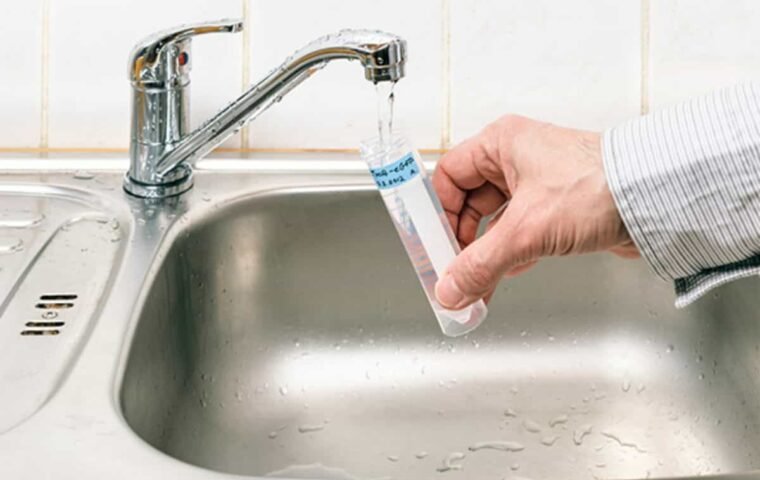
Testing helps replace guesswork with information. Depending on the source and the issue, an assessment might include hardness, pH, iron, dissolved solids, bacteria, or other relevant substances. Once you have the results, it becomes easier to decide whether filtration, softening, disinfection, or another treatment method is appropriate.
Why Professional Advice Can Be Worthwhile
Water treatment equipment isn’t one-size-fits-all. A filter designed to capture sediment may do very little to reduce dissolved minerals, while a softener isn’t intended to remove every possible contaminant. Even two properties on the same street can have different needs because their water sources and plumbing systems aren’t identical.
This is where a free consultation can be useful, provided the provider clearly explains what the service includes. An initial discussion may help you describe the symptoms, review existing test results, and identify which questions should be answered before equipment is selected. It can also give you an opportunity to learn about installation requirements, maintenance schedules, and expected operating costs.
A consultation shouldn’t be treated as a substitute for testing. A conversation or visual inspection alone cannot establish whether water is safe to drink or confirm the concentration of a particular contaminant. If the concern involves health or regulatory requirements, appropriate laboratory analysis may be necessary.
Before arranging a consultation, gather whatever information you already have. Recent water test results, photographs of visible staining, details about your current equipment, and a description of when the problem occurs can help make the conversation more productive.
Most importantly, ask questions. What is the proposed system designed to reduce? How will its performance be verified? What maintenance will it require? A trustworthy professional should be able to explain the answers without burying you in technical language.
Commercial Water Needs Require a Different Perspective
Businesses often depend on water in ways that aren’t immediately obvious to customers. Restaurants use it for food preparation and cleaning. Hotels need consistent supply across kitchens, laundry rooms, and guest facilities. Offices depend on water for everyday use, while production businesses may require specific water characteristics for their processes.
For commercial operations, even a relatively small water problem can become expensive if it affects several areas at once. Mineral scale may reduce heating efficiency, sediment can interfere with certain equipment, and poorly maintained filters may restrict flow. When a problem develops during a busy period, staff may have little time to investigate it properly.
The right system depends on the facility’s actual demand. Water volume, peak usage, operating hours, available installation space, and pressure requirements all matter. A unit that works adequately during quiet periods may struggle when multiple machines are operating simultaneously.
Businesses should also consider what happens when equipment needs servicing. Can routine maintenance be scheduled outside operating hours? Are replacement parts readily available? Does the provider offer support if the system stops working unexpectedly?
These practical questions matter just as much as the equipment’s technical specifications. The goal is to maintain suitable water quality without creating unnecessary disruption.
Industrial Applications Need Careful Planning
Water requirements can become particularly demanding in industrial facilities, where treatment may support manufacturing, cooling, cleaning, boilers, or other specialised processes. In these environments, the quality of incoming water can influence equipment performance, product consistency, and maintenance frequency.
A system should be selected only after the relevant water characteristics and process requirements have been established. Depending on the application, testing may need to assess hardness, dissolved solids, pH, specific ions, or contaminants that could interfere with production. Some processes also require ongoing monitoring to make sure water remains within defined operating limits.
Capacity is another important consideration. If a treatment system is undersized, it may struggle during peak demand. An oversized system, meanwhile, can increase purchase and operating costs without providing meaningful benefits. Proper design should account for both current usage and realistic future requirements.
It’s wise to involve the people who understand the process best. Facility managers, maintenance teams, engineers, and water treatment specialists may each have useful information about operating conditions and recurring problems. Combining that knowledge can lead to a more practical solution than selecting equipment based on a catalogue alone.
Where water quality affects product safety or compliance, businesses should follow the relevant industry standards and testing procedures. Treatment equipment can support those requirements, but it doesn’t remove the need for proper verification and recordkeeping.
Look at Maintenance Before Installation
A water treatment system needs care throughout its working life. Filters require replacement, softeners may need salt or other regeneration materials, and membranes or specialised components have service intervals. If these tasks are ignored, performance can decline gradually.
Before choosing a system, ask for a clear maintenance schedule. Find out which tasks staff can safely handle, which require a technician, and how much replacement components are likely to cost. Keep records of service visits, filter changes, and water test results.
It also helps to establish a plan for unexpected changes. A sudden drop in pressure, unusual taste, visible leakage, or repeated equipment alarms should be investigated rather than ignored. These symptoms don’t always reveal the cause, but they can indicate that something needs attention.
For commercial and industrial users, preventive maintenance can be especially valuable because unplanned downtime may affect more than one department. Regular inspections won’t prevent every failure, but they can help identify developing problems before they become more disruptive.
Consider the Full Cost, Not Just the Price Tag
Initial equipment costs are only part of the investment. Installation, electricity, water use, replacement filters, regeneration materials, servicing, and repairs can all contribute to the long-term expense.
Request a written estimate and ask what it includes. Compare systems according to their suitability, documented performance, capacity, and maintenance requirements. A lower-priced unit may be perfectly adequate for a simple application, while a demanding facility may need a more specialised solution.
Be cautious about broad promises that one system will solve every water problem. Treatment technologies have specific capabilities, and results depend on proper selection, installation, and maintenance. Independent certifications and clear performance documentation can help you evaluate claims.
Make the Next Step an Informed One
Good water treatment begins with understanding the problem rather than rushing to purchase equipment. Testing provides a clearer picture, professional advice can help identify suitable options, and careful planning makes ongoing maintenance easier to manage.
Whether you’re addressing mineral buildup at home or meeting demanding requirements at a business, take time to ask questions and compare solutions. The right choice should fit your water conditions, daily usage, budget, and long-term responsibilities.
When the system is designed around real needs, water treatment becomes less of a guessing game and more of a practical investment. That’s a better place to start—and a far better way to keep things running smoothly over time.