If you’ve ever stood in the plumbing aisle of a home improvement store, staring blankly at a row of salt bags and mysterious tanks, wondering what the heck you actually need—you’re not alone. The world of water treatment can feel like a maze of options, acronyms, and half-truths. And the biggest confusion? Whether you should go for a water conditioner or a softener.
Let’s have a candid conversation about it, one that’s more “coffee with a friend” and less “tech manual from 1996.” We’re not here to sell you anything—just to help you figure out what’s best for your home, your skin, and your sanity.
What Is a Water Conditioner, Anyway?
You’ve probably heard the term tossed around, but let’s clear the fog. A water conditioner is a system designed to alter the way minerals behave in your water. It doesn’t necessarily remove them, but it changes them—usually in a way that makes them less likely to stick to your pipes, showerheads, and appliances. Think of it like neutralizing a troublemaker instead of kicking them out of the party.
Unlike softeners, conditioners often don’t use salt, which means you’re not hauling 40-pound bags every few weeks. They’re often seen as a more environmentally friendly solution—and lower maintenance too.
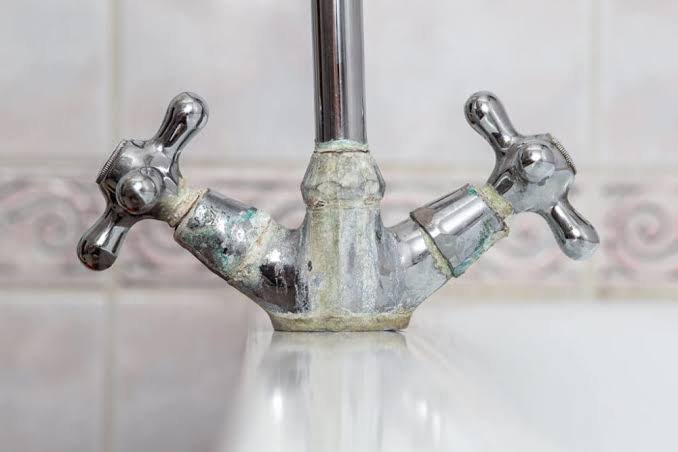
But here’s the catch: if you have super hard water (we’re talking 10+ grains per gallon), a conditioner might not cut it on its own. It’ll help reduce scale buildup, sure, but your water will still be “hard” in technical terms.
That Persistent Debate: Conditioning vs. Softening
Ah, the old water conditioning vs water softening debate. It’s like arguing over whether a hybrid car or a diesel pickup is better—they’re designed for different lifestyles.
Water softeners actually remove calcium and magnesium ions, replacing them with sodium or potassium ions. This makes your water feel “soft,” your soap lather better, and your appliances last longer. Your skin and hair might even thank you after a week of showers.
Conditioners, on the other hand, typically use technologies like TAC (template-assisted crystallization) to make the hardness minerals non-stick. You’ll still technically have hard water—but it won’t behave like it.
So the question really becomes: What problem are you trying to solve?
- Hate water spots on your glassware? Both might help.
- Want to actually reduce hardness levels? Go softener.
- Want to avoid using salt or wasting water during regeneration cycles? Conditioner is your friend.
It’s not about which is universally “better.” It’s about what works for you.
How to Know What You Actually Need
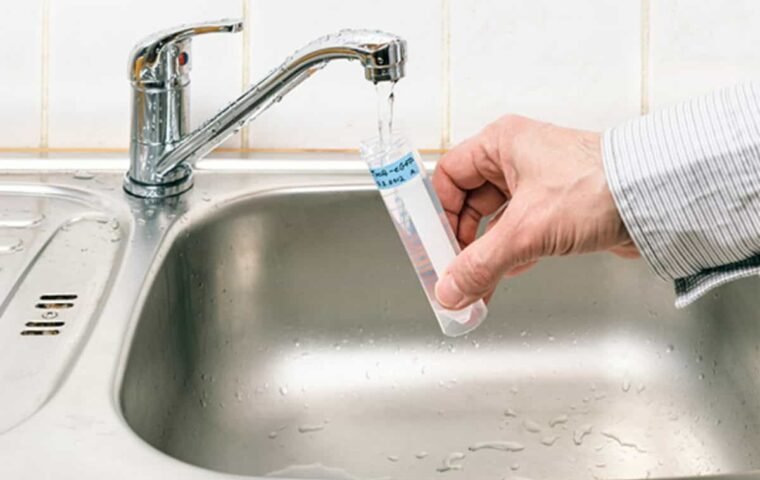
Let’s not sugarcoat this: water is weird. What works in one house might do nothing in the next one over. Before investing in any system, get your water tested. No guessing, no maybes—just facts.
Some municipalities provide water quality reports, and some companies offer free home testing. It takes 15 minutes and will save you from buying the wrong system. Trust me, guessing wrong in this game is like using a flyswatter to stop a flood.
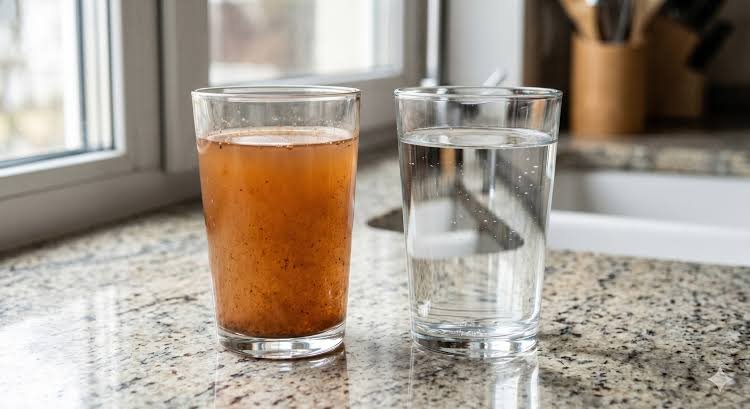
If your test shows high levels of calcium, magnesium, or iron, and you’re noticing things like cloudy glasses, itchy skin, or appliances breaking down early—then a softener might be your best bet. If your issues are more about mild spotting or a desire to avoid chemicals, a conditioner may do the trick.
Either way, don’t fall into the trap of Googling “water softener or conditioner” and hoping for a silver bullet. Those blog posts are often written by people trying to sell one or the other.
Real-World Talk: Maintenance and Lifestyle
Alright, let’s bring this into the real world. You’ve got a job, a family, maybe a dog that drinks out of the toilet (no judgment). You probably don’t want another chore to worry about.
Water softeners need regular salt refills, cleaning, and the occasional check-up. They also tend to use more water during regeneration cycles. But they’re reliable, tested, and get the job done, especially in areas with very hard water.
Conditioners are more “set it and forget it.” Some don’t require electricity or drainage at all. For eco-conscious households or people looking to reduce salt use (especially on septic systems), they’re worth considering.
That said, if you’re expecting a conditioner to turn your super hard water into spa-quality luxury, you may be disappointed. They shine in moderate water conditions—not extreme ones.
The Bottom Line (Without the Buzzwords)
Here’s the thing. Your water isn’t just about H2O—it’s about how it affects your home and your life. From your morning shower to how well your washing machine holds up, water plays a role in everything.
So should you get a conditioner or a softener? It depends. But hopefully now, you’re better equipped to make the call.
If nothing else, remember this: there’s no magic system that solves everything. And any company that promises as much is probably more interested in your wallet than your water.