Most homeowners don’t think of water as something that can quietly cause trouble. It feels harmless—clear, tasteless, always there when you need it. You turn the tap, it flows. End of story. Except that’s not really where the story ends. In many homes, water is doing a lot more behind the scenes than we realize, and not all of it is helpful.
The tricky part is that water-related problems rarely announce themselves loudly. There’s no sudden crash or dramatic failure at first. Instead, things change gradually. Pressure feels a bit weaker. Appliances don’t last as long as they used to. Fixtures need cleaning more often. These small signals are easy to dismiss, but together, they point to something bigger.
When Pipes Remember Everything
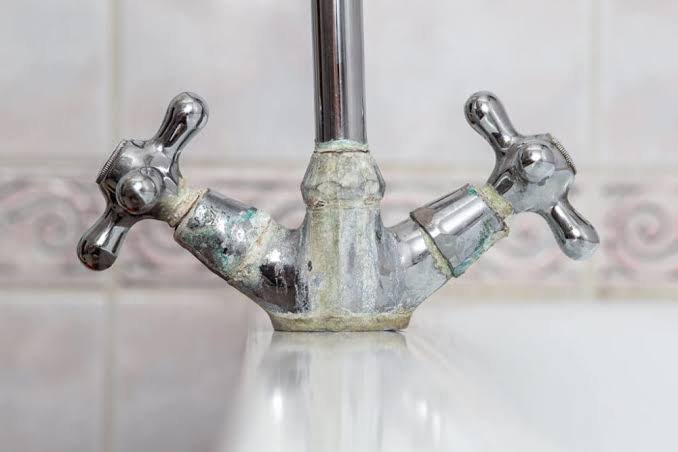
Water carries minerals, and over time, those minerals don’t just disappear. They settle. They cling. They build layers inside pipes, valves, and appliances. This mineral buildup doesn’t happen overnight, which is exactly why it’s so easy to ignore.
At first, you might notice white residue on faucets or cloudy spots on glassware. Then your kettle takes longer to boil. Your showerhead sprays unevenly. None of this feels urgent. But inside the plumbing, space is slowly shrinking. Pipes that were once smooth become rough and narrow, and water has to work harder to get through.
Think of it like cholesterol in arteries. You don’t feel it happening, but one day, it changes how everything functions.
Subtle Changes in Pressure Tell a Story
One of the earliest signs that something isn’t quite right is a change in water flow. The shower doesn’t feel as strong. Faucets take longer to fill pots. Outdoor hoses don’t have the same punch they used to. People often blame municipal supply or aging fixtures, but the issue frequently starts inside the home.
Restricted flow isn’t just inconvenient; it’s inefficient. Systems compensate by working harder, which increases wear on pumps, heaters, and valves. Energy bills creep upward. Performance drops. Still, because the change is gradual, it becomes the new normal before anyone questions it.
That normalization is what allows small issues to grow unchecked.
Appliances Take the Hit First
Water-using appliances are often the first casualties of hidden plumbing issues. Dishwashers, washing machines, water heaters—all of them depend on consistent pressure and clean internal pathways. When minerals coat heating elements or clog narrow passages, efficiency drops.
You might notice your water heater running longer or your dishwasher leaving residue behind. Over time, these appliances fail earlier than expected. Replacements feel random and unlucky, but there’s usually a pattern behind them.
Appliances don’t complain loudly. They just stop working one day.
Cleaning More, Getting Less
Another quiet sign something’s wrong is how much effort it takes to keep things clean. Soap doesn’t lather properly. Rinse cycles seem endless. Surfaces never quite look polished, no matter how much elbow grease you apply.
This isn’t about cleaning habits or product choices. It’s about chemistry. When minerals interfere with soap and detergents, efficiency drops. You use more, scrub harder, and still feel dissatisfied with the results.
Over time, that extra effort becomes exhausting. It’s a daily tax most people don’t realize they’re paying.
The Financial Surprise Nobody Plans For
The real shock often comes later, when plumbing finally demands attention. Pipes clog completely. Valves fail. Water heaters give up. What could have been addressed gradually turns into an emergency call.
These situations often lead to costly repairs, not because the problem was extreme, but because it was ignored for too long. Emergency service, replacement parts, water damage cleanup—it all adds up quickly. And it almost always happens at the worst possible time.
The frustrating part is knowing that much of this was preventable.
Why We Put Off Water Problems
Most people delay dealing with water issues for the same reason they delay other invisible problems: there’s no immediate payoff. Fixing something you can’t see doesn’t feel satisfying. There’s no before-and-after photo to admire, no visible upgrade to show off.
Instead, you’re investing in absence—the absence of breakdowns, the absence of frustration, the absence of surprise bills. That kind of value is harder to appreciate until you’ve experienced the alternative.
We’re wired to respond to crises, not prevent them. Water problems exploit that tendency perfectly.
Small Decisions That Make a Big Difference
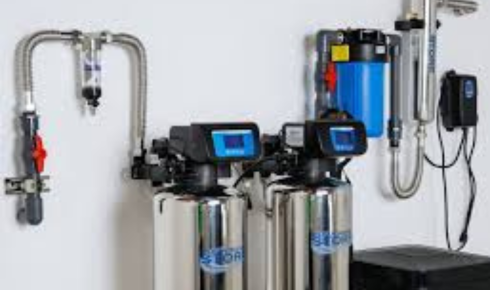
Addressing water issues doesn’t always require major renovations or dramatic changes. Often, it starts with awareness. Understanding what’s in your water. Noticing patterns. Paying attention to pressure changes and appliance behavior.
From there, solutions can be scaled appropriately. The key is acting before frustration turns into failure. Preventative care almost always costs less—financially and emotionally—than emergency fixes.
Think of it as maintenance for the systems you rely on most.
Comfort Is Part of the Equation
Beyond money and mechanics, there’s comfort. Water affects how a home feels. Showers should be relaxing, not irritating. Dishes should come out clean without effort. Laundry should feel soft, not stiff.
When water works against you, daily routines feel heavier. When it works with you, life feels smoother in ways that are hard to describe but easy to miss once they’re gone.
Comfort isn’t a luxury. It’s a baseline.
Long-Term Thinking Pays Quiet Dividends
Homes aren’t short-term projects. They’re long-term environments. Decisions made today ripple forward for years. Ignoring small water issues doesn’t make them disappear; it just postpones the moment when they demand attention.
On the other hand, thoughtful care builds resilience. Pipes stay clearer. Systems last longer. Repairs become less frequent and less dramatic. That stability creates peace of mind, which is often the most valuable outcome of all.
The Ending We All Want
In an ideal home, water is invisible again. It flows when you need it. It doesn’t leave marks, cause stress, or demand constant attention. You stop thinking about pressure, buildup, and repairs altogether.
That’s not luck. It’s the result of noticing small things before they become big ones.
Water will always shape a home, whether we pay attention or not. The difference is whether it does so quietly and reliably—or slowly, expensively, and with far too many surprises along the way.