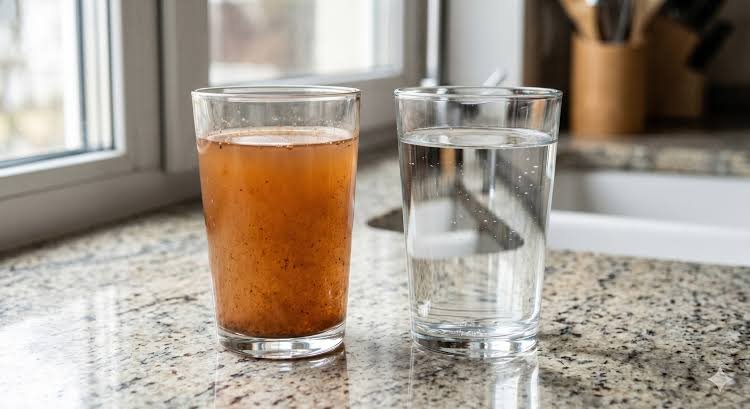
There’s something oddly reassuring about turning on the kitchen tap and knowing the water in your glass is clean, fresh, and suitable for drinking. Yet for many households, that confidence doesn’t come automatically. Tap water can contain minerals, chlorine, sediment, unpleasant tastes, or other contaminants that affect its quality.
That’s where modern filtration technology can help. An under sink reverse osmosis system, for example, is designed to provide treated drinking water directly at the kitchen sink without taking over valuable counter space. It’s a practical option for people who want better-tasting water without constantly buying bottled water.
But choosing a filtration system shouldn’t be about buying the most complicated equipment available. It’s about understanding your water, knowing what you want to remove, and choosing a system that actually fits your home.
What Makes Reverse Osmosis Different?
Reverse osmosis, often called RO, uses a semi-permeable membrane to filter water. Under pressure, water passes through the membrane while many dissolved substances and unwanted impurities are held back and flushed away.
The process is more thorough than basic carbon filtration. Carbon filters are excellent for improving taste and reducing certain chemicals, but RO can target a broader range of dissolved contaminants.
That doesn’t mean reverse osmosis is automatically the right answer for every household. Water quality varies considerably from one location to another. A home supplied by a private well may have completely different concerns from an apartment connected to a municipal water supply.
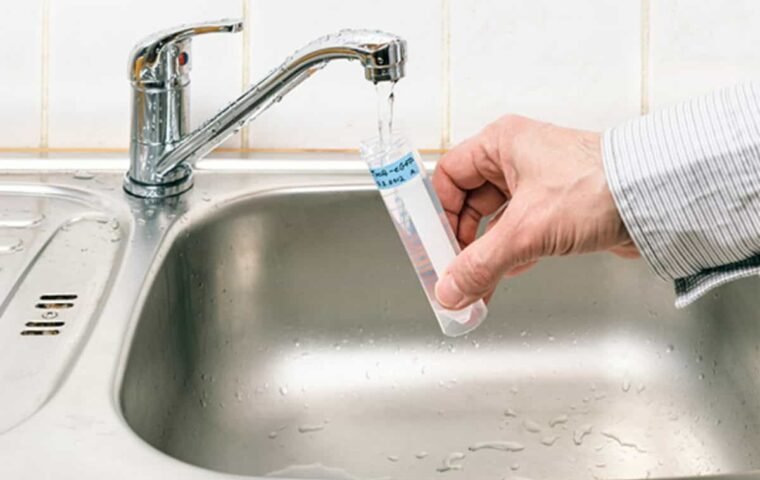
Testing the water first is usually the smarter move.
Better-Tasting Water Starts With Knowing Your Water
Sometimes the first sign of a water-quality problem isn’t a laboratory report. It’s your morning coffee.
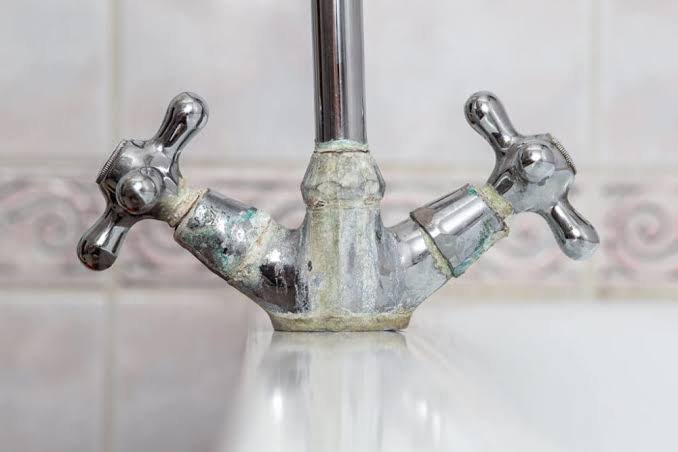
Maybe the water tastes slightly metallic. Perhaps there’s a noticeable chlorine smell, or a glass left overnight develops an odd taste. Hard-water minerals can also leave spots on dishes and create scale around faucets and appliances.
A good filtration strategy begins by identifying what’s actually present.
Depending on the source and local conditions, water may contain:
- Sediment and suspended particles
- Chlorine and certain chemical compounds
- Dissolved minerals
- Heavy metals such as lead
- Certain microorganisms
- Unwanted tastes and odors
- Other dissolved contaminants
No single filter removes everything. That’s why a properly selected system often combines several stages of filtration rather than relying on one filter alone.
Understanding the RO Filtration Process
A typical reverse osmosis system has multiple stages, and each one has a specific job.
The first stage commonly involves sediment filtration. This catches particles such as sand, dirt, and rust that could otherwise interfere with later stages.
Next, activated carbon filtration may reduce chlorine, odors, and certain organic compounds. Protecting the RO membrane from chlorine is especially important because chlorine can damage some membrane materials.
Then comes the reverse osmosis membrane itself. This is the heart of the system. It allows water molecules to pass through while rejecting many dissolved contaminants.
Some systems add a final polishing filter after the membrane. This can improve taste just before the water reaches the dedicated faucet.
The result is purified water that can be used for drinking, cooking, making ice, filling bottles, and even preparing baby formula where appropriate and according to professional guidance.
Is Bottled Water Really More Convenient?
Bottled water seems simple. Grab a bottle, drink it, recycle it. Done.
Except, of course, it’s rarely quite that simple.
Bottles need to be purchased, transported, stored, and eventually disposed of. A family that drinks several bottles a day can quickly accumulate a surprising amount of plastic and expense.
A point-of-use filtration system offers a different approach. Once installed and maintained properly, it provides treated water right where you need it.
There’s also the convenience factor. You don’t have to remember to put bottles in the refrigerator or make another trip to the store because the water supply at home ran out.
For households that already drink a lot of bottled water, an RO system can feel less like a luxury and more like a practical everyday appliance.
Why an Under-Sink System Works Well in Kitchens
Counter space is precious. Between coffee machines, toasters, air fryers, and the random collection of things that somehow ends up beside the sink, adding another appliance isn’t always appealing.
An under-sink setup keeps the filtration equipment tucked away inside the cabinet. Only the drinking-water faucet needs to remain visible above the counter.
This arrangement is particularly useful for homeowners who want filtered drinking water without installing a whole-house system.
There are trade-offs, naturally. An under-sink RO system generally treats water at a specific point of use rather than supplying every faucet in the home. It also requires filter replacements and periodic maintenance.
Still, for drinking and cooking water, it can be a remarkably convenient solution.
Maintenance Matters More Than People Think
Buying a filtration system is only half the job.
Filters don’t last forever. As they collect contaminants, their effectiveness can decrease. A neglected system may also develop unpleasant tastes or odors, which rather defeats the purpose of having filtration in the first place.
Replacement schedules depend on the system, water quality, usage, and manufacturer recommendations. Some households may need replacements more frequently than others.
It’s worth keeping a simple maintenance reminder on your phone or calendar. Five minutes of planning can prevent the classic “I think that filter was changed sometime last year?” situation.
Regular inspection is also useful. Check connections for leaks, look at tubing and fittings, and pay attention to changes in water taste or flow.
Choosing the Right System for Your Home
There’s no universal filtration system that works perfectly for everyone.
Start with a water-quality test. Then consider what matters most to your household. If taste and chlorine are the primary concerns, a carbon-based filter might be enough. If dissolved contaminants are a concern, reverse osmosis may be worth considering.
Storage capacity, filtration stages, wastewater production, installation requirements, and replacement-filter costs are also worth comparing.
Look beyond the initial price. A cheaper system can become expensive if replacement cartridges are difficult to find or maintenance costs are high.
Most importantly, choose equipment designed for your specific water conditions rather than simply buying the system with the longest list of features.
The Bigger Picture of Water Treatment
Good filtration isn’t simply about having better-tasting water. It’s part of a broader approach to household water quality.
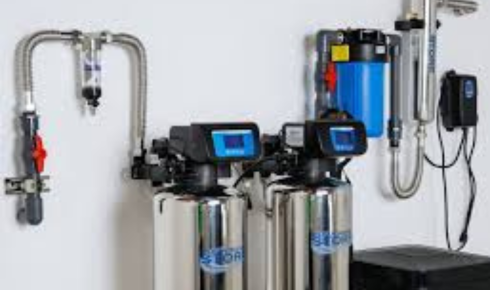
Professional water treatment can involve filtration, softening, disinfection, testing, and other technologies depending on the source and contaminants involved. The right combination depends heavily on whether your water comes from a municipal supply, private well, or another source.
That’s why testing and professional advice can be valuable, especially when there are persistent odors, unusual tastes, staining, or concerns about specific contaminants.
At the end of the day, clean drinking water shouldn’t feel complicated. A thoughtfully chosen filtration system can make everyday routines easier, reduce dependence on bottled water, and give your family greater confidence in what comes out of the kitchen tap.
And sometimes, that little bit of confidence is exactly what makes a house feel more like home.