

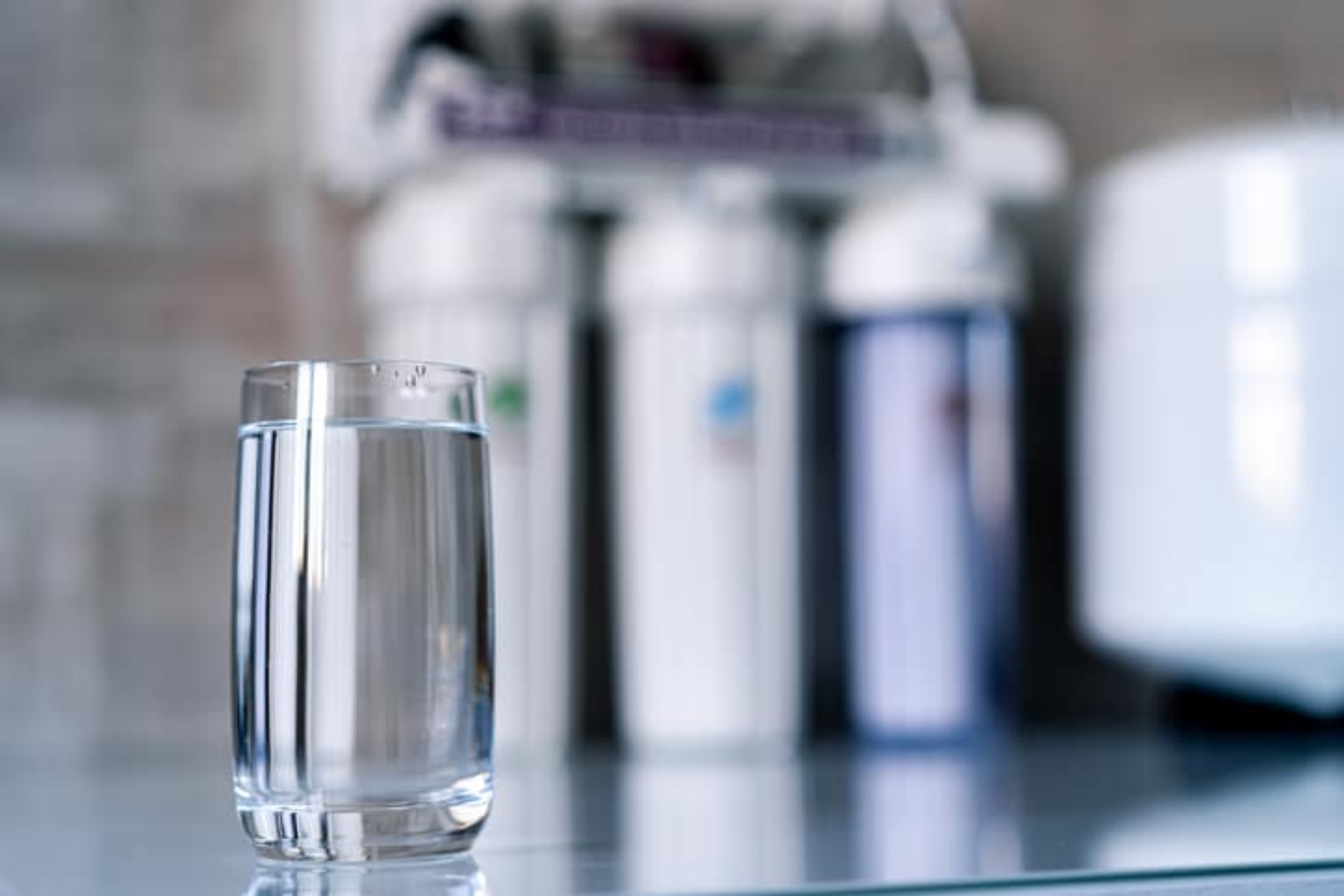
There’s a moment most people experience at some point. You pour a glass of water, take a sip, and pause. Nothing looks wrong — it’s clear, it’s cold — but something about the taste feels slightly off. Maybe it’s metallic. Maybe it has a faint chemical hint. Maybe it just feels… flat.
It’s not always dramatic. But it’s enough to make you hesitate before taking another sip.
That small hesitation says a lot about how important water quality is. Because water isn’t just something we drink. It shapes our cooking, cleaning, daily comfort, and overall confidence in our home environment.
And once people improve their water quality, they often realize just how much those subtle issues had been affecting daily life.
Why Water Taste Changes Over Time
Many homeowners assume that water should always taste the same, but that’s rarely the case.
Water travels through a long network of pipelines before reaching your home. Along the way, it can pick up minerals, residual disinfectants, or even trace compounds from aging infrastructure.
Seasonal changes can also influence water taste. Heavy rains, shifting groundwater levels, or changes in treatment processes may all affect how water smells or tastes.
Even when water meets safety standards, these elements can still impact its flavor and overall usability.
When Taste Becomes a Daily Frustration
Poor-tasting water doesn’t just affect drinking. It subtly influences many parts of daily life.
Coffee may taste bitter despite high-quality beans. Tea can feel dull. Cooking flavors may seem muted. Even ice cubes can carry an unwanted aftertaste.
Over time, many households respond by relying more heavily on bottled water — a habit that increases expenses and environmental waste.
Addressing the root cause through proper filtration provides a more sustainable solution.
That’s where a targeted bad taste fix becomes valuable, removing the compounds responsible for unpleasant flavors while preserving beneficial minerals.
Once resolved, the difference often feels immediate and surprisingly satisfying.
The Impact of Odor on Water Confidence
Taste and smell are closely connected. Even a faint odor can influence how water is perceived.
Water may sometimes carry chlorine-like scents, earthy notes, or sulfur smells depending on local conditions.
These odors rarely indicate danger, but they can significantly reduce confidence in using tap water for drinking or cooking.
Modern filtration systems designed to produce odor free water focus on removing these compounds at the molecular level.
Once odors disappear, homeowners often feel more comfortable relying on their tap water again.
This confidence alone can transform daily habits.
How Better Water Improves Everyday Routines
Improving water quality doesn’t just enhance drinking experiences — it changes how water interacts with nearly everything in the home.
Cooking becomes more enjoyable because ingredients retain their natural flavors. Fruits and vegetables rinse more cleanly. Even washing dishes feels easier when water lacks chemical residues.
Over time, these small improvements add up to a noticeable shift in overall household comfort.
Many people describe the change as subtle yet deeply satisfying.
Supporting Long-Term Health and Hydration
Water quality also plays a role in overall wellness.
When water tastes clean and fresh, people naturally drink more of it. This increased hydration supports digestion, energy levels, and general health.
Filtration systems designed to deliver improved drinking water help ensure that unwanted contaminants are reduced while maintaining a balanced mineral profile.
This combination supports both safety and hydration — two essential aspects of daily well-being.
Protecting Household Systems
Unpleasant taste and odor issues often indicate underlying water characteristics that can affect plumbing and appliances.
Mineral buildup, chemical residues, and sediments can accumulate over time, reducing efficiency and increasing maintenance needs.
Improving water quality helps protect pipes, fixtures, and appliances, extending their lifespan and reducing repair costs.
For many homeowners, this long-term protection becomes one of the most valuable benefits of water treatment.
Environmental Benefits of Better Water
Improved tap water quality can also reduce reliance on bottled water, which significantly decreases plastic waste.
Additionally, balanced water interacts more effectively with cleaning products, allowing households to use smaller amounts of detergents and soaps.
These small environmental advantages accumulate over time, making water treatment a sustainable choice.
The Emotional Comfort of Reliable Water
Beyond practical benefits, clean water provides a sense of reassurance.
When homeowners trust their water supply, they stop second-guessing it. They drink freely, cook confidently, and feel more comfortable using water throughout the home.
This peace of mind becomes part of what makes a home feel secure and well-maintained.
Small Changes That Deliver Big Results
Modern water filtration systems are designed to integrate seamlessly into existing plumbing.
Once installed, they operate quietly in the background, consistently improving water clarity, taste, and performance.
Over time, the benefits become so normal that they often go unnoticed — until homeowners compare their water to untreated sources again.
A Simple Improvement That Enhances Everyday Life
At its core, improving water quality isn’t about complicated technology. It’s about creating a home environment that supports comfort, health, and efficiency.
Clean, balanced water touches nearly every part of daily life — from the first sip in the morning to the last load of laundry at night.
The Quiet Power of Better Water
Perhaps the most remarkable aspect of improving water quality is how unobtrusive it becomes.
You stop thinking about it. You simply notice that everything works more smoothly.
And in the end, that quiet reliability is what makes it so valuable.
Because when your water finally tastes fresh, smells clean, and supports your daily routines, it doesn’t just improve what comes out of your tap — it quietly enhances the quality of life inside your home.

