Most of us grow up with a simple assumption: when you turn on the tap, the water should be safe. It’s such a basic expectation that we rarely question it. We drink it, cook with it, rinse fruits under it, and rely on it every day without a second thought.
But every so often, something breaks that automatic trust. Maybe it’s a metallic aftertaste you can’t quite ignore. Maybe it’s a faint chemical smell that lingers when you fill a glass. Or sometimes it’s simply reading a news story about water quality in a nearby city that makes you pause for a moment.
And that’s when awareness starts to shift.
Homeowners today are no longer satisfied with water that’s simply “safe enough.” They’re increasingly interested in water that feels clean, tastes neutral, and supports long-term health — not just in theory, but in everyday experience.
The Complex Journey of Tap Water
Water doesn’t arrive at your home in a single step. It travels a long and complicated path — from natural sources to treatment plants, through miles of underground pipes, and finally into household plumbing systems.
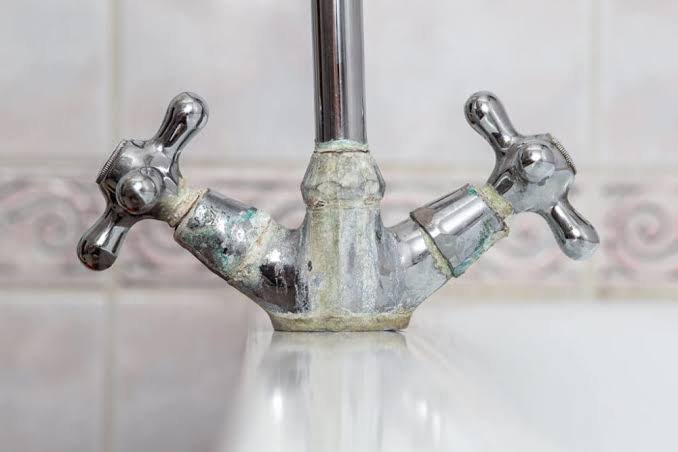
Along this journey, water can encounter a wide range of substances. Some occur naturally in soil and rock formations. Others come from industrial processes, agricultural runoff, or aging infrastructure.
Municipal treatment facilities work hard to remove harmful contaminants. But even after treatment, trace elements may still remain in small concentrations.
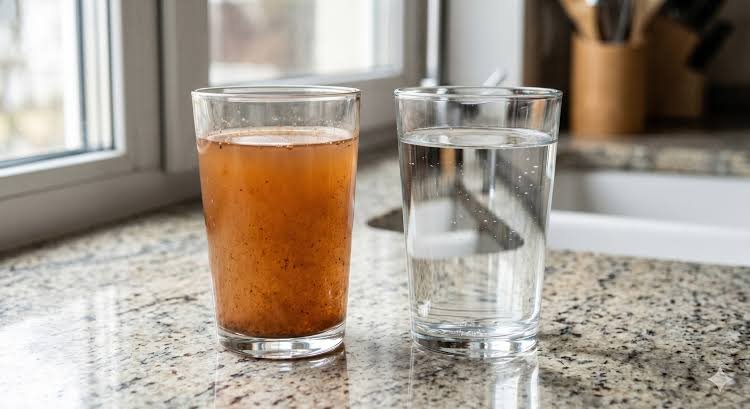
These traces might not always be visible, yet they can influence water taste, odor, and long-term exposure concerns.
Understanding the Issue of Heavy Metals
One of the most serious concerns in water quality involves heavy metals such as lead, mercury, and cadmium. These substances can enter water supplies through corroding pipes, industrial waste, or natural mineral deposits.
Even in small amounts, long-term exposure to certain heavy metals can pose health risks.
This is why advanced filtration systems designed for heavy metals reduction have become increasingly important in residential water treatment.
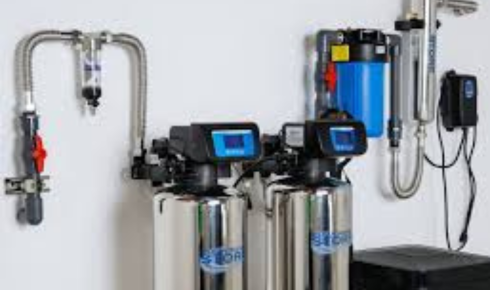
These systems typically use specialized filtration media or reverse osmosis membranes to capture microscopic metal particles before they reach household taps.
For homeowners, this provides an added layer of reassurance that goes beyond standard municipal treatment.
The Challenge of Chloramines in Modern Water Systems
While chlorine has long been used to disinfect water, many cities now rely on chloramines — a combination of chlorine and ammonia — because they remain stable over longer distribution distances.
Although effective at controlling bacteria, chloramines can create noticeable taste and odor issues in drinking water.
Removing them requires more advanced filtration than standard carbon filters can provide.
This is where technologies designed for chloramine removal become particularly valuable. Catalytic carbon filtration systems are commonly used to break down these compounds, improving both water flavor and overall comfort.
Many homeowners notice an immediate difference once chloramines are reduced — water smells cleaner, and beverages taste more natural.
Addressing Agricultural Contaminants
In regions with significant farming activity, water sources can sometimes be affected by agricultural chemicals such as herbicides and pesticides.
These substances may enter groundwater or surface water through runoff, especially after heavy rainfall.
Filtration technologies designed for herbicide filtration focus on capturing organic chemical compounds before they reach household water supplies.
Activated carbon and advanced membrane systems are particularly effective at removing these contaminants.
For homeowners, this capability offers peace of mind, especially when water sources are located near agricultural areas.
The Everyday Benefits of Improved Water Quality
While safety concerns often drive filtration decisions, homeowners frequently discover additional benefits once they upgrade their water systems.
Filtered water typically tastes fresher and feels lighter. Cooking results improve because impurities no longer affect flavors. Cleaning becomes easier as chemical residues are reduced.
Even personal care routines can change. Many people report that their skin feels less dry and their hair more manageable when exposed to treated water.
These small improvements accumulate into a noticeable enhancement in overall home comfort.
The Psychological Value of Trusting Your Water
There’s also an emotional dimension to water quality that often goes unnoticed.
When homeowners trust their water supply, they feel more confident using it for drinking, cooking, and everyday tasks. This confidence reduces background stress and enhances overall peace of mind.
Families can focus on daily routines without worrying about unseen contaminants.
Over time, this sense of reliability becomes part of what makes a home feel secure and stable.
Small Changes That Create Long-Term Protection
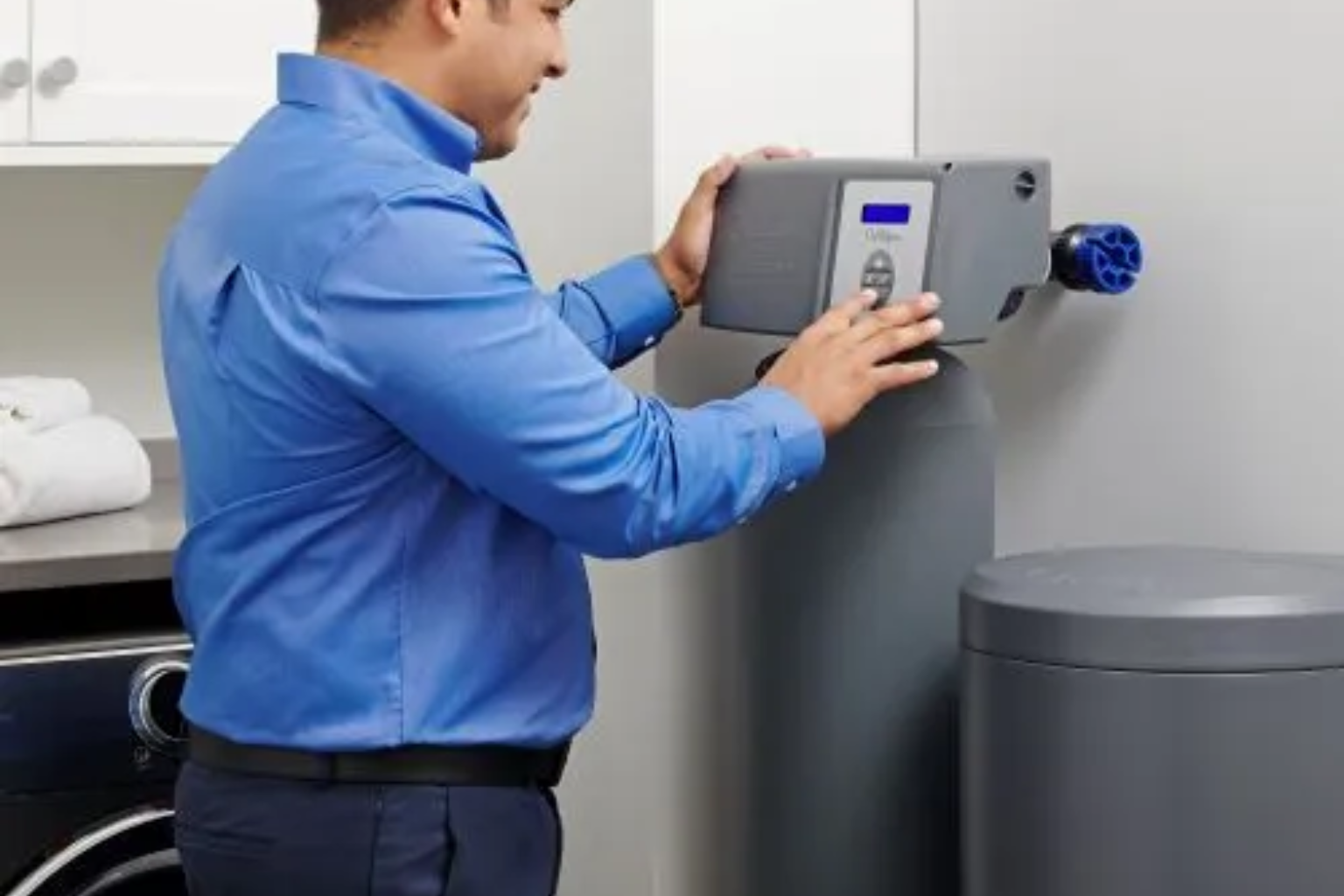
Improving water quality doesn’t require dramatic lifestyle adjustments. Many homeowners begin with simple steps: testing their water supply, identifying specific contaminants, and installing targeted filtration solutions.
Once in place, these systems operate quietly in the background, delivering continuous protection and convenience.
They also help preserve plumbing infrastructure, extend appliance lifespan, and improve overall home efficiency.
A Home That Supports Health and Comfort
At its core, a home should provide more than shelter. It should create an environment that supports well-being and daily comfort.
Clean, balanced water plays a fundamental role in achieving this goal. It influences hydration, food preparation, hygiene, and household maintenance.
By investing in advanced filtration technologies, homeowners can create living spaces that feel safer, more reliable, and easier to manage.
The Quiet Power of Cleaner Water
Perhaps the most remarkable aspect of modern water filtration is how seamlessly it integrates into everyday life.
Once installed, filtration systems work silently, ensuring consistent water quality without disrupting routines.
And in the end, that quiet reliability is what makes them so valuable.
Because when you trust what flows from your tap, it doesn’t just improve what you drink — it transforms how your entire home feels to live in, making everyday life smoother, healthier, and far more reassuring.