You turn on the tap, fill a glass, and take a sip without thinking twice. But have you ever stopped to wonder what’s actually in that water? It may look clear. It may taste fine. But your water could be hiding more than you realize — and the only way to know for sure is with a proper water testing process.
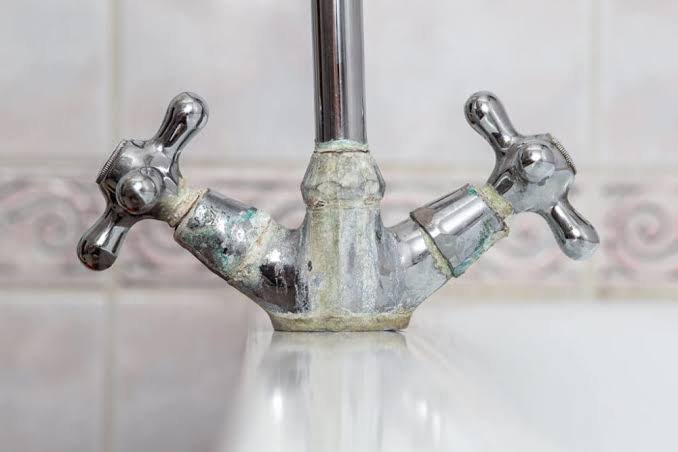
Let’s face it, clean water isn’t just a convenience — it’s a necessity. Whether it’s for drinking, cooking, bathing, or doing laundry, the quality of your water impacts your life every single day. And here’s the thing: problems with water quality rarely announce themselves with flashing warning lights. They show up quietly — in buildup on your faucets, itchy skin, cloudy glasses, or even just a strange taste you can’t quite place.
When “Normal” Water Isn’t Actually Normal
A lot of households get so used to their water that they stop noticing the small signs. Maybe your white shirts come out dingy from the laundry. Or your tea kettle gets crusty no matter how often you scrub it. It’s easy to shrug it off as “just the water here.”
But those clues point to hard water — a common problem that affects millions of homes. And it doesn’t just leave a chalky residue. Hard water is tough on your pipes, your appliances, and even your skin and hair. If you’ve been spending a fortune on lotion and shampoo lately, it might not be your routine — it might be your water.
That’s where hard water reduction solutions come into play. From whole-house softeners to more targeted systems, reducing mineral content not only protects your plumbing but can actually make your clothes feel softer, your soap lather better, and your dishes sparkle the way they should.
Sediment: The Silent Saboteur in Your System
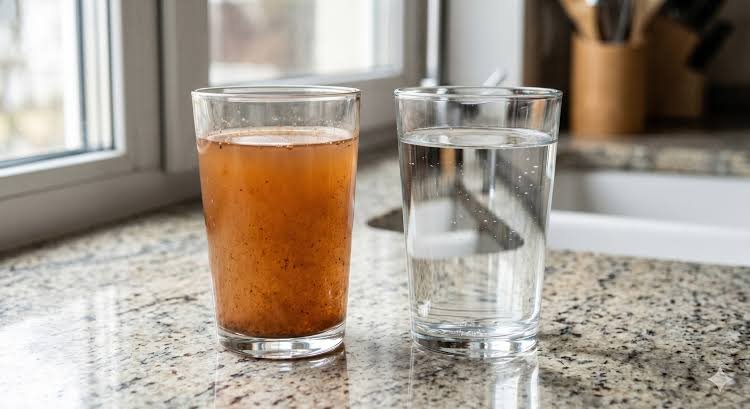
Even if your water feels fine, that doesn’t mean it’s clean. One of the most overlooked culprits in poor water quality is sediment — tiny particles of sand, dirt, or rust that sneak in through aging pipes or groundwater sources.
Over time, these particles can clog fixtures, damage water heaters, and make your morning coffee taste just a little off. You might not even realize it’s happening until your plumbing starts acting up or your filters wear out way too fast.
Installing a system for sediment treatment is like giving your entire water supply a pre-wash. It clears out the junk before it can cause trouble, ensuring every drop that flows through your home is cleaner, safer, and better for your gear.
Why “Just a Filter” Isn’t Enough
Let’s bust a myth real quick: not all filters are created equal. That little attachment on your kitchen faucet might catch some chlorine and improve taste, but it’s barely scratching the surface. Real water treatment goes way deeper than a carbon cartridge.
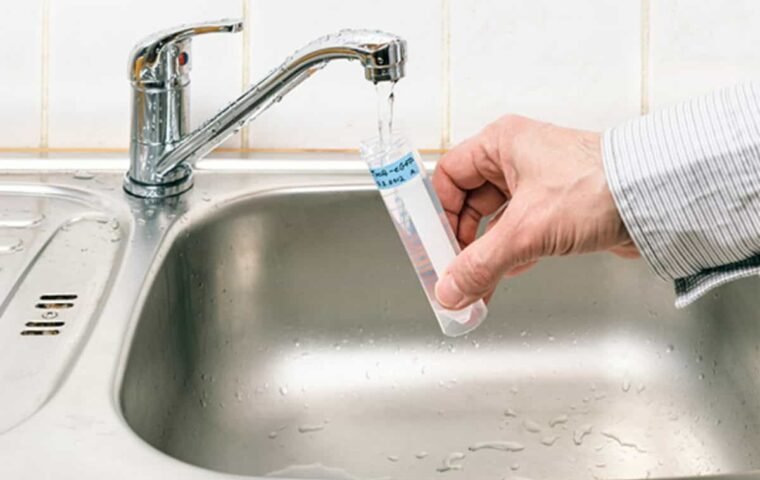
Every home’s water is different. Maybe you’ve got iron, or sulfur, or even invisible contaminants like nitrates or bacteria. That’s why it all starts with a solid water testing process. Without it, you’re just guessing — and in this case, guessing wrong could cost you.
Professionals can test for everything from pH imbalance and heavy metals to microbial contamination. Armed with that info, you can make smart decisions about filtration, softening, or purification — tailored to your actual needs.
Water Isn’t Just Water — It’s a System
Here’s something a lot of folks don’t think about: your water runs through an entire system before it hits your glass. From the source (well, municipal, or rainwater tank) to your pipes, to your faucet — every stage has a part to play. So if something goes wrong, you’ve got to know where the problem starts.
That’s why a good water treatment solution isn’t one-size-fits-all. A family dealing with scale buildup in the Midwest has totally different needs from a Florida household battling sulfur and high iron. Local water conditions matter — and that’s where experience, customization, and the right technology make all the difference.
It’s Not Just About Drinking Water
Sure, drinking water gets the spotlight — but quality matters just as much when you’re cooking pasta, taking a shower, or brushing your teeth. Think about it: your skin is your body’s largest organ, and it’s in contact with your water every day. So if your water’s off, it can affect more than your taste buds.
Cleaner water means healthier skin, shinier hair, less wear on clothes, longer appliance life, and even better results when you’re mopping the floor. It’s a whole-home improvement you can feel — and often see — immediately.
The True Cost of Doing Nothing
People often hesitate to invest in water treatment systems. But think of it this way: what’s the cost of not doing it? Replacing corroded pipes, repairing clogged water heaters, or dealing with unexplained health issues can end up being far more expensive in the long run.
A few hundred bucks now might save you thousands down the road — and give you peace of mind that your water is working for you, not against you.
Wrapping Up: Trust What You Test, Treat What You Know
At the end of the day, your home should feel like a safe haven — and that starts with clean water. No guessing. No wondering. Just confidence that every drop coming out of your faucet is the best it can be.
Whether you’re tackling hard water, strange smells, or sediment buildup, the first step is always the same: test your water. Then build a solution that fits your life, your needs, and your goals.