There’s something oddly personal about water. It’s invisible, familiar, and taken for granted — until it starts misbehaving. Maybe your shower glass is always spotted, no matter how much you clean. Maybe your shampoo doesn’t lather right, your dishes come out cloudy, or your skin feels tight after washing your hands. It’s not in your head. Your water might just be a little… difficult.
That’s the thing about hard water — it’s sneaky. You don’t notice it at first, but once you do, it’s everywhere. And if you live in California, chances are, you’re already living with it.
The Quiet Reality of California’s Hard Water
It’s easy to forget that water is a traveler. Every drop that lands in your sink or shower has a backstory — a long journey through soil, rock, and riverbeds before winding up in your pipes. Along the way, it collects minerals like calcium and magnesium, which give water its “hardness.”
California’s geography makes it a perfect playground for this mineral buildup. With its mix of coastal plains, desert basins, and mountain aquifers, the water picks up all kinds of natural material before it ever hits your faucet. That’s why your friend in San Francisco might swear their water feels fine, while someone in Bakersfield is practically scrubbing limestone off their shower tiles.
If you’ve ever looked at a hard water map california, you’ll see a patchwork of mineral intensity — from mildly hard coastal areas to extremely hard inland regions. Southern California, especially, tends to draw water from the Colorado River and local groundwater sources, both rich in dissolved minerals. It’s not “bad” water. It’s just got a strong personality.
So What Exactly Is Hard Water?
Hard water isn’t dirty or unsafe — far from it. Those minerals it carries are natural and, in small amounts, even healthy. The trouble starts when those minerals build up. When hard water evaporates (like when you shower or run your dishwasher), it leaves behind a residue called scale.
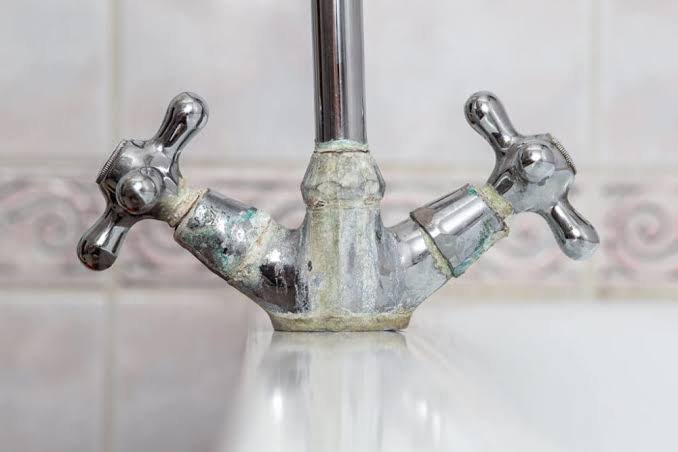
That scale doesn’t just sit there looking ugly — it slowly clogs showerheads, coats pipes, and shortens the lifespan of appliances like water heaters. It’s like cholesterol for your plumbing.
And you’ll feel it too. Hair becomes limp, skin dries out faster, soap feels like it never fully rinses off. It’s subtle, but after a while, it can drive you nuts.
How to Tell If You Have Hard Water
Here’s the funny part — most people don’t know they have hard water until someone points it out. The signs are all there, though. If you’ve ever felt that sticky film on your hands after washing them, that’s one clue. So is that dull, chalky look your black t-shirt gets after a few washes.
If you’re wondering how to identify hard water, start with your senses. Does your water taste metallic or slightly bitter? Are your glasses cloudy no matter how often you run the dishwasher? Does your showerhead have that crusty white ring around it? Those are telltale signs.
You can also try a simple soap test: fill a clear bottle halfway with tap water, add a few drops of liquid soap (not detergent), and shake. If it forms a bubbly lather that lasts, your water’s probably soft. If the bubbles die fast and you’re left with cloudy water — congratulations, you’ve got hard water.
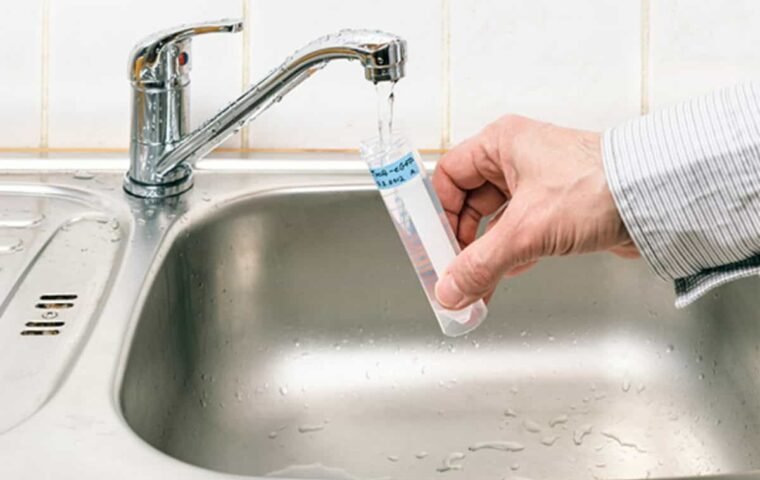
Of course, if you want real numbers, you can buy a test kit or call your local water department. Most cities publish water quality reports showing hardness levels in parts per million (ppm). Anything over 180 ppm is considered “very hard.” Some areas in California test above 300 ppm.
Why California Has It Tough
Living in a state with so many different terrains means that water isn’t one-size-fits-all. Northern California, with its rainfall and reservoirs, tends to have softer water compared to the arid south. Down here, imported water travels hundreds of miles through mineral-rich channels before ever reaching a tap.
This creates a unique challenge for homeowners. Even if you move just a few miles away, your water quality can change completely. Cities like San Diego and Riverside deal with notoriously hard water, while places closer to the coast might have moderate levels.
That’s why “California water” is such a broad phrase — it’s more like a dozen different water systems stitched together across the state.
Testing and Understanding Your Water
If you’re curious about how to know if water is hard, there’s no need for fancy lab work. Testing kits are cheap and widely available online. They measure hardness by detecting calcium and magnesium levels in your tap water.
Once you know your number, you’ll have context for all those annoyances you’ve been noticing — the endless scrubbing, the stiff laundry, the frizzy hair. Most people are surprised to learn how much their water influences daily life.
Knowing your hardness level also helps when choosing filters or softeners. There’s no one-size-fits-all solution; what works for someone in Anaheim might not work for someone in Sacramento.
Can You Fix It?
Technically, yes. You can “soften” water by removing or neutralizing the minerals that cause hardness. The most common solution is a whole-home water softener, which uses a process called ion exchange to replace calcium and magnesium with sodium or potassium.
There are also salt-free alternatives that condition rather than replace minerals — ideal for people trying to avoid added sodium. And for renters or apartment dwellers, shower filters and small under-sink systems can make a noticeable difference too.
It’s not about chasing perfection; it’s about balance. You’re not trying to erase the water’s character, just make it a little more cooperative.
The Ripple Effect: Beyond the Faucet
When you soften or filter your water, the benefits ripple outward. Soap lathers better, meaning you use less. Appliances run more efficiently. Clothes stay brighter. Your hair and skin feel cleaner without the dry residue.
But perhaps the biggest change is psychological. There’s something deeply satisfying about having water that behaves — water that rinses clean, that doesn’t fight back. It’s one of those invisible luxuries that quietly improves your day.
And for Californians, who already deal with droughts, conservation laws, and rising costs, having control over water quality feels like winning a small, private victory.
Final Thoughts: The Personality of Water
Every place has its quirks, and water is just one of California’s. It’s not perfect, but it’s part of the landscape — the same way we tolerate the traffic or celebrate the sunshine.