You’ve probably heard someone mention “alkaline water” at least once in the past few years. Maybe it was at a gym, a health food store, or that one friend who’s always trying the newest wellness trend. And while some of those fads come and go, the idea of balancing your body’s pH through hydration has stuck around. But do you really need to spend money on fancy bottles labeled “ionized” or “electrolyte-enhanced”? Honestly, not necessarily. You can make alkaline water at home — and it’s a lot simpler than most think.
The Hype Around Alkaline Water
Let’s get this out of the way first — alkaline water isn’t magic. It’s not going to turn you into a superhero or cure every ache. But it can help balance the acidity in your body, especially if your diet leans heavily toward processed foods, caffeine, or sugar — all of which tend to increase acidity. The general idea is that by drinking water with a higher pH level (typically 8 or 9 instead of neutral 7), you might help neutralize some of that acid buildup.
Some people swear it helps with digestion, energy levels, even clearer skin. Others say it’s just water with a little extra science sprinkled in. The truth is somewhere in between: it’s not a miracle cure, but it’s also not snake oil. Like most wellness habits, consistency is where it counts.
So, What Does “Alkaline” Really Mean?
The word “alkaline” refers to the pH level — a scale that measures how acidic or basic a substance is, from 0 (highly acidic) to 14 (highly alkaline). Regular tap water sits around 7, which is neutral. When you raise that number, even slightly, the water becomes alkaline. The most popular way people do that? You guessed it — baking soda.
Yes, the same stuff sitting quietly in your kitchen cabinet can transform your water into something that feels a bit cleaner, smoother, and lighter to drink. The reason? Baking soda (sodium bicarbonate) has a naturally high pH, making it one of the easiest, cheapest methods available.
The Easy Way: Baking Soda and Water
Now, if you’re wondering how to make alkaline water, here’s the most straightforward approach. Take one glass of purified or filtered water — ideally, something that doesn’t already have a strong mineral taste. Add just a pinch of baking soda. Stir until it’s fully dissolved, and that’s it. You’ve now created basic (pun intended) alkaline water.
If you want to be precise, you can use about ¼ teaspoon per liter of water. That amount can raise the pH significantly without turning your drink into something that tastes like seawater. This small addition can make your hydration more balanced and potentially more beneficial after a heavy workout or an acidic meal.
Understanding the Right Ratios
One common mistake people make is overdoing it. Adding too much baking soda won’t make the water “healthier” — it’ll just make it undrinkable and possibly hard on your stomach. It’s always smart to know how much baking soda to alkalize water, and the right ratio is small. Think moderation. Around 1/8 to 1/4 teaspoon per liter (roughly 4 cups) is enough. More than that, and you risk upsetting your natural body balance or increasing sodium intake unnecessarily.
If you’re doing this daily, balance is the keyword. Rotate with plain water, or mix in a squeeze of lemon occasionally. Ironically, lemons taste acidic but become alkaline in the body once metabolized — a little trick nature plays on us.
The Natural Option: Lemon or Lime
If you’re not keen on using baking soda every day, lemon or lime can be your next best bet. When you add a slice or two to water and let it sit, it slightly changes the chemistry, promoting alkalinity once digested. Plus, it tastes great and feels more like a spa ritual than a kitchen experiment.
Some even combine lemon with a bit of Himalayan pink salt — which adds trace minerals and a pleasant tang. This mix, often called “sole water,” has become a popular morning drink among wellness enthusiasts who prefer natural tweaks over supplements.
A Deeper Look: Why Balance Matters
Our bodies are designed to keep a delicate internal pH balance. The lungs, kidneys, and digestive system work constantly to make sure we don’t stray too far from a healthy range. However, modern diets full of processed foods, alcohol, and stress can throw things off slightly. Alkaline water acts as a gentle nudge in the right direction — not a drastic fix.
It’s like how stretching won’t fix all your posture problems overnight, but doing it regularly helps your body align itself. That’s the kind of effect alkaline water has — subtle, supportive, and worth trying if you’re looking to fine-tune your wellness routine.
When to Drink It
Morning is the best time. After hours of sleep, your body is dehydrated and slightly more acidic. Starting the day with a glass of alkaline water can help restore equilibrium and wake up your metabolism. Some also prefer drinking it before or after workouts, to support hydration and neutralize lactic acid buildup.
But don’t obsess over timing too much. If you’re drinking enough water throughout the day — alkaline or not — you’re already doing better than most people who barely sip two glasses a day.
Are There Any Downsides?
In moderation, none. But if you go overboard — say, drinking several liters of highly alkaline water daily — your stomach might become too neutralized, making digestion sluggish. Remember, you need some acidity for food breakdown and nutrient absorption. Think of it as seasoning your food — a pinch enhances flavor, but too much ruins the dish.
If you have kidney issues or are on a low-sodium diet, consult a doctor before adding baking soda regularly. It’s always best to make small adjustments and see how your body reacts rather than diving all in.
Other Ways to Alkalize Water
If you’d rather not tinker with ingredients, there are other ways to raise pH levels naturally:
- Mineral drops: These are concentrated trace minerals you can add directly to water.
- pH pitchers or filters: Some water filters are designed to alkalize while purifying.
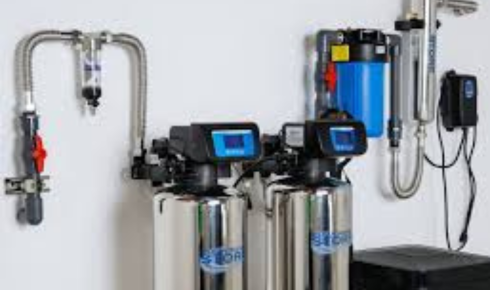
- Alkaline water machines: Pricey, but they use electrolysis to separate acidic and alkaline components of water.
For most people, though, the DIY route with baking soda or lemon works perfectly fine — and costs next to nothing.
The Bottom Line
You don’t need a lab or a luxury machine to bring balance to your daily hydration. A glass, a pinch, and a stir — that’s really all it takes to start exploring the benefits of alkaline water. The difference isn’t always dramatic, but over time, many people notice subtle improvements in energy, digestion, and general wellbeing.