Most people don’t wake up thinking about their water. You turn the tap, fill a glass, rinse a plate, step into the shower—done. Water is supposed to be boring. Reliable. Invisible. And for a long time, it is. Until one day, something feels a little off. Not broken. Not dramatic. Just… different.
Maybe the coffee tastes sharper than it used to. Maybe your sink never quite looks clean, even right after scrubbing it. Maybe your skin feels dry in a way lotion doesn’t fix. These little moments don’t shout, but they whisper. And those whispers often point to everyday water issues we get used to living around without realizing it.
How we learn to tolerate small annoyances
Humans are great at adapting. If your dishes come out spotty, you wipe them. If your shower pressure drops, you shrug. If your water smells faintly odd, you light a candle and move on. None of these things feel urgent enough to demand action.
Over time, though, these workarounds pile up. You buy more cleaning products. You replace appliances sooner than expected. You stop drinking from the tap without consciously deciding to. It all becomes normal, until you step into another home and notice their water feels… easier.
That contrast is often the first real clue.
The quiet complexity of well water
For people on private wells, water quality tends to be even more personal. There’s no city treatment plant adjusting things behind the scenes. What you get is shaped by geology, rainfall, soil composition, and time. It’s raw, in a way that can be wonderful—or frustrating.
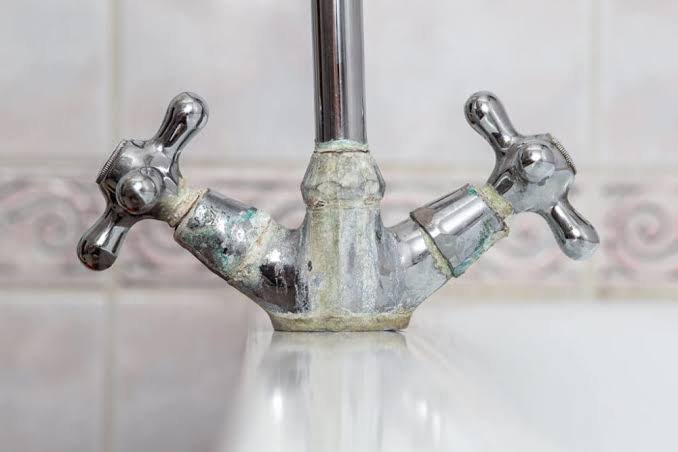
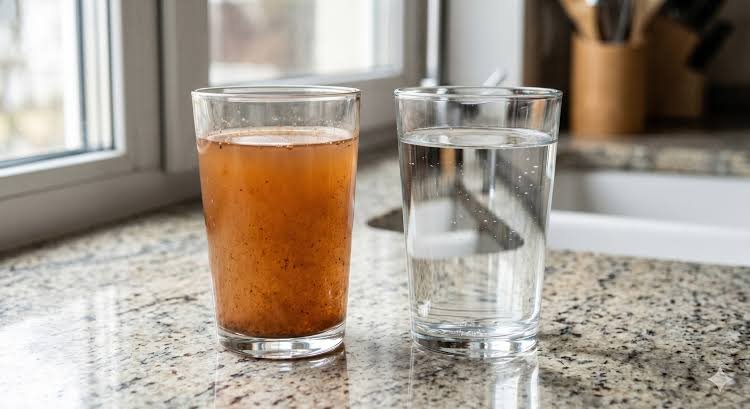
One of the most common surprises for well owners is the effect of well water minerals. Calcium, magnesium, iron—none of these are villains by default. In fact, they’re naturally occurring and often harmless. But in higher concentrations, they change how water behaves. Soap stops lathering properly. Scale builds up on fixtures. Laundry feels stiff no matter how much detergent you use.
It’s not that the water is “bad.” It’s just doing what mineral-rich water does.
When “safe” doesn’t mean “pleasant”
Municipal water tells a different story. It’s treated, regulated, and monitored. From a safety standpoint, it’s usually solid. But safety doesn’t always equal comfort. Chlorine, used to disinfect water, can leave a taste or smell that some people find hard to ignore.
You notice it most in cold water. A sharp edge. A swimming-pool hint. It’s not dangerous, but it’s persistent. Over time, many homeowners start looking into chlorine taste reduction, not because they’re alarmed, but because they want their water to taste like water again.
Taste matters more than we admit. It shapes habits quietly.
How water affects the feel of a home
Water quality isn’t just about what you drink. It touches nearly everything. Your pipes. Your appliances. Your skin. Your clothes. It’s part of the atmosphere of a house, even if you never think of it that way.
When water quality is off, homes feel harder to maintain. Cleaning takes more effort. Things wear out faster. There’s a low-level friction that’s easy to blame on anything else—age, cheap materials, bad luck.
When water quality improves, that friction fades. And it often surprises people how much difference it makes.
Why testing feels like a turning point
One reason water problems linger is that they’re invisible. You can’t see minerals dissolved in water. You can’t smell everything that affects it. So people guess. They assume. They Google late at night and close the tab without deciding anything.
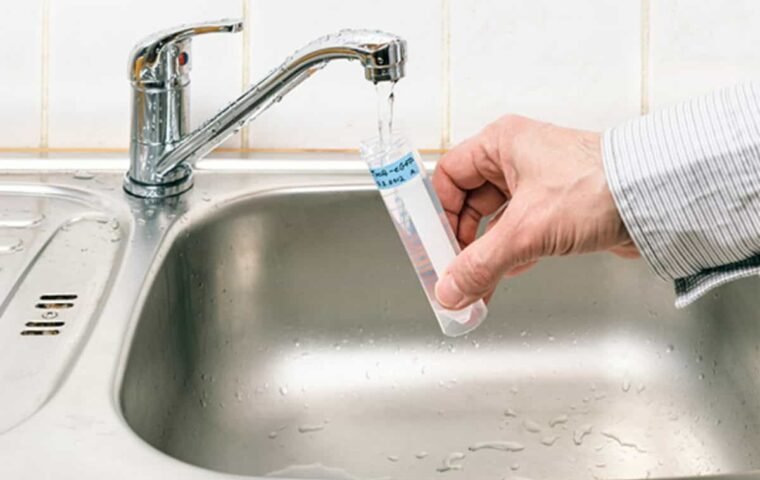
Testing changes the tone of the conversation. Suddenly, it’s not about opinions or anecdotes. It’s about numbers, ranges, and patterns. You learn what’s actually present and what isn’t. Sometimes the results bring relief. Sometimes they explain years of minor frustrations in one page.
Either way, you stop guessing.
Avoiding the urge to fix everything at once
There’s a temptation, once you understand your water, to overhaul everything. Replace systems. Add layers. Go all-in. But water improvement doesn’t have to be dramatic to be effective.
Often, addressing one or two specific issues brings most of the benefit. Reducing hardness. Improving taste. Managing iron. Small, targeted changes tend to stick better because they feel reasonable and manageable.
Water doesn’t need perfection. It needs balance.
The psychology of better water
Something interesting happens when water quality improves. People don’t celebrate it loudly. They just… relax. They drink more water without thinking about it. They stop buying bottled water out of habit. They notice fewer stains and fewer smells, and then they stop noticing anything at all.
That’s not boredom. That’s success.
Good water fades into the background, letting life take center stage again.
Long-term thinking beats quick fixes
Many water problems don’t demand immediate action, which is why they’re easy to postpone. But they are cumulative. Scale builds slowly. Taste degrades gradually. Wear happens quietly.
Taking a long-term approach—learning, adjusting, revisiting when needed—tends to save time, money, and frustration. You replace fewer appliances. You fight fewer symptoms. You make decisions calmly instead of reactively.
That mindset alone changes the experience of homeownership.
A softer ending, because water should feel that way
Paying attention to your water isn’t about fear or obsession. It’s about listening. Water leaves clues everywhere if you know how to notice them. Once you do, the path forward usually becomes clearer than you expected.
When water tastes right, behaves well, and supports your home instead of challenging it, you stop thinking about it. And that’s the goal. Not excitement. Not perfection. Just water quietly doing what it’s meant to do.
Sometimes, the best improvements are the ones you eventually forget you ever made.