Blog

  • Why Water Softeners and Reverse Osmosis Are More Than Just Fancy Plumbing

    Why Water Softeners and Reverse Osmosis Are More Than Just Fancy Plumbing

    If you’ve ever taken a shower and felt like your soap just won’t lather—or noticed stubborn spots on your clean dishes—there’s a good chance you’ve been dealing with hard water. It’s one of those household quirks that often gets brushed off until it becomes too obvious to ignore. But the truth is, water quality plays a surprisingly big role in our day-to-day lives. And if you’ve started thinking about solutions, you’re not alone.

    Whether it’s about preserving your appliances, protecting your skin, or just wanting your water to taste better, there’s a lot to gain from investing in the right filtration systems. This article is your informal guide to what really matters—why water softeners and reverse osmosis aren’t just industry buzzwords, but genuine upgrades to how you live.


    The Hard Truth About Hard Water

    Let’s break it down. Hard water is loaded with minerals like calcium and magnesium. Sounds natural, right? Well, too much of a good thing can be a problem. Those minerals can clog pipes, damage appliances, dry out your skin, and leave your hair feeling like straw. It’s the kind of thing you don’t really notice until it becomes unbearable—and then you wonder how you put up with it for so long.

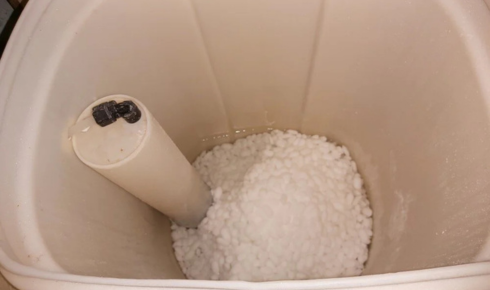
    Enter water softeners. These systems remove excess minerals through a process called ion exchange. You don’t have to geek out on the chemistry to appreciate the results: softer laundry, smoother skin, fewer clogs, and longer-lasting appliances. Honestly, it just makes everything feel better.


    Clean Isn’t Always Clean: What’s in Your Drinking Water?

    Now, let’s talk about what comes out of your tap. It may look crystal clear, but that doesn’t mean it’s free of contaminants. Municipal water systems do their best, but things like chlorine, fluoride, heavy metals, and even trace pharmaceuticals can sneak through. And depending on where you live, the taste might be… let’s say, less than refreshing.

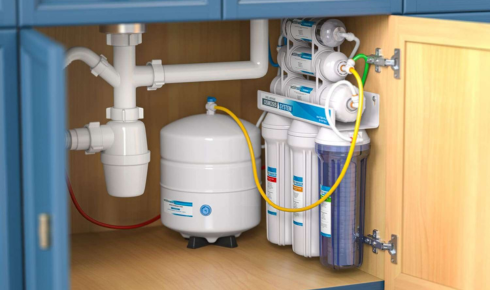
    That’s where reverse osmosis earns its stripes. It’s one of the most effective water filtration methods available. This system pushes water through a semi-permeable membrane that filters out virtually everything except pure H2O. The result? Water that tastes cleaner, smells fresher, and gives you peace of mind with every sip.


    The Not-So-Small Stuff: Why It Matters

    It’s easy to shrug this all off and think, “Eh, we’ve been fine so far.” But here’s the thing: when your water quality improves, so does your quality of life. Your clothes last longer. Your coffee tastes better. Your skin isn’t always itchy. You stop scrubbing hard water stains from your shower every weekend.

    These aren’t minor conveniences. They add up—saving you time, money, and even a little sanity.

    That’s why installing a water softener shouldn’t be considered a luxury. It’s a smart, long-term investment. Think of it like upgrading from dial-up internet to fiber-optic. Once you’ve experienced the difference, there’s no going back.


    But Which System Do You Need?

    This is where it gets personal. Some homes deal more with hard water issues, while others need better drinking water filtration. In many cases, a combination of both is the magic formula. You soften the water for your whole house and use reverse osmosis just for drinking and cooking. It’s kind of like building your own water wellness plan.

    And don’t worry—you don’t have to figure it all out on your own. Most companies that sell and install these systems offer free water testing and consultations. They’ll help you understand what’s going on in your pipes before you make any big decisions.


    It’s Not Just About the Water

    Something else people overlook: installing these systems can be a lifestyle shift. Suddenly, you’re not lugging home 5-gallon jugs or packs of bottled water. Your morning routine gets a little easier. Your budget? Less strained by appliance repairs and water-related issues. You start to notice that your home just works better.

    And there’s a quiet comfort in knowing your water is truly clean—something that feels increasingly important these days.


    Don’t Let the Plumbing Intimidate You

    One reason folks hesitate is the idea that this all sounds too technical or expensive. But today’s systems are more user-friendly and affordable than ever. Installation is typically straightforward, especially when done by pros. Maintenance? Often just a filter change here or a salt refill there.

    Think of it like any other appliance in your home. It serves a daily purpose. And when it works well, you forget it’s even there—until you go somewhere else and realize how good you’ve got it.


    Wrapping It All Up

    Water is one of those everyday essentials we rarely think about… until we do. And when you finally experience the difference that softened and filtered water can make, it’s hard not to become a bit of a water quality evangelist.

  • The Subtle Signs Your Water Is Asking for Attention

    The Subtle Signs Your Water Is Asking for Attention

    Most people don’t wake up thinking about their water. You turn the tap, fill a glass, rinse a plate, step into the shower—done. Water is supposed to be boring. Reliable. Invisible. And for a long time, it is. Until one day, something feels a little off. Not broken. Not dramatic. Just… different.

    Maybe the coffee tastes sharper than it used to. Maybe your sink never quite looks clean, even right after scrubbing it. Maybe your skin feels dry in a way lotion doesn’t fix. These little moments don’t shout, but they whisper. And those whispers often point to everyday water issues we get used to living around without realizing it.

    How we learn to tolerate small annoyances

    Humans are great at adapting. If your dishes come out spotty, you wipe them. If your shower pressure drops, you shrug. If your water smells faintly odd, you light a candle and move on. None of these things feel urgent enough to demand action.

    Over time, though, these workarounds pile up. You buy more cleaning products. You replace appliances sooner than expected. You stop drinking from the tap without consciously deciding to. It all becomes normal, until you step into another home and notice their water feels… easier.

    That contrast is often the first real clue.

    The quiet complexity of well water

    For people on private wells, water quality tends to be even more personal. There’s no city treatment plant adjusting things behind the scenes. What you get is shaped by geology, rainfall, soil composition, and time. It’s raw, in a way that can be wonderful—or frustrating.

    One of the most common surprises for well owners is the effect of well water minerals. Calcium, magnesium, iron—none of these are villains by default. In fact, they’re naturally occurring and often harmless. But in higher concentrations, they change how water behaves. Soap stops lathering properly. Scale builds up on fixtures. Laundry feels stiff no matter how much detergent you use.

    It’s not that the water is “bad.” It’s just doing what mineral-rich water does.

    When “safe” doesn’t mean “pleasant”

    Municipal water tells a different story. It’s treated, regulated, and monitored. From a safety standpoint, it’s usually solid. But safety doesn’t always equal comfort. Chlorine, used to disinfect water, can leave a taste or smell that some people find hard to ignore.

    You notice it most in cold water. A sharp edge. A swimming-pool hint. It’s not dangerous, but it’s persistent. Over time, many homeowners start looking into chlorine taste reduction, not because they’re alarmed, but because they want their water to taste like water again.

    Taste matters more than we admit. It shapes habits quietly.

    How water affects the feel of a home

    Water quality isn’t just about what you drink. It touches nearly everything. Your pipes. Your appliances. Your skin. Your clothes. It’s part of the atmosphere of a house, even if you never think of it that way.

    When water quality is off, homes feel harder to maintain. Cleaning takes more effort. Things wear out faster. There’s a low-level friction that’s easy to blame on anything else—age, cheap materials, bad luck.

    When water quality improves, that friction fades. And it often surprises people how much difference it makes.

    Why testing feels like a turning point

    One reason water problems linger is that they’re invisible. You can’t see minerals dissolved in water. You can’t smell everything that affects it. So people guess. They assume. They Google late at night and close the tab without deciding anything.

    Testing changes the tone of the conversation. Suddenly, it’s not about opinions or anecdotes. It’s about numbers, ranges, and patterns. You learn what’s actually present and what isn’t. Sometimes the results bring relief. Sometimes they explain years of minor frustrations in one page.

    Either way, you stop guessing.

    Avoiding the urge to fix everything at once

    There’s a temptation, once you understand your water, to overhaul everything. Replace systems. Add layers. Go all-in. But water improvement doesn’t have to be dramatic to be effective.

    Often, addressing one or two specific issues brings most of the benefit. Reducing hardness. Improving taste. Managing iron. Small, targeted changes tend to stick better because they feel reasonable and manageable.

    Water doesn’t need perfection. It needs balance.

    The psychology of better water

    Something interesting happens when water quality improves. People don’t celebrate it loudly. They just… relax. They drink more water without thinking about it. They stop buying bottled water out of habit. They notice fewer stains and fewer smells, and then they stop noticing anything at all.

    That’s not boredom. That’s success.

    Good water fades into the background, letting life take center stage again.

    Long-term thinking beats quick fixes

    Many water problems don’t demand immediate action, which is why they’re easy to postpone. But they are cumulative. Scale builds slowly. Taste degrades gradually. Wear happens quietly.

    Taking a long-term approach—learning, adjusting, revisiting when needed—tends to save time, money, and frustration. You replace fewer appliances. You fight fewer symptoms. You make decisions calmly instead of reactively.

    That mindset alone changes the experience of homeownership.

    A softer ending, because water should feel that way

    Paying attention to your water isn’t about fear or obsession. It’s about listening. Water leaves clues everywhere if you know how to notice them. Once you do, the path forward usually becomes clearer than you expected.

    When water tastes right, behaves well, and supports your home instead of challenging it, you stop thinking about it. And that’s the goal. Not excitement. Not perfection. Just water quietly doing what it’s meant to do.

    Sometimes, the best improvements are the ones you eventually forget you ever made.

  • When Plumbing Problems Keep Coming Back, It’s Time to Look Deeper

    When Plumbing Problems Keep Coming Back, It’s Time to Look Deeper

    Most homeowners have a story about a leak. A drip under the sink. A damp spot on the ceiling. A mysterious puddle that appears and disappears like it’s playing games. At first, these issues feel manageable. You fix one, move on, and tell yourself it’s just part of owning a house.

    But when the same problems keep resurfacing—same smells, same stains, same calls to the plumber—it stops feeling like bad luck. It starts feeling like the house is trying to tell you something. And usually, it is.


    The Trouble With Fixing the Same Thing Over and Over

    There’s nothing wrong with repairs. In fact, most plumbing issues should start with a repair. A loose fitting, a worn washer, a small crack—these things happen. Fixing them is normal and sensible.

    The red flag appears when fixes become routine. When you recognize the sound of water where it shouldn’t be. When you keep spare towels handy “just in case.” When you hesitate before leaving town because you’re not entirely sure what might happen while you’re gone.

    At that point, recurring leaks aren’t just annoying. They’re exhausting. They chip away at your sense of control over your own home.


    Why Leaks Tend to Multiply, Not Improve

    Plumbing systems are interconnected. When one section starts failing, it often puts extra stress on the rest. Pressure changes. Materials weaken. Temporary fixes hold for a while, then give way somewhere else.

    Older homes are especially prone to this pattern. Pipes installed decades ago were built to standards and expectations that no longer match modern usage. Water chemistry has changed. Daily demand has increased. Materials that once seemed durable now struggle to keep up.

    What’s frustrating is that each leak can look like an isolated issue. But taken together, they often point to a bigger underlying problem—one that patching alone won’t solve.


    The Emotional Toll of Constant “Almost” Emergencies

    Living with ongoing plumbing issues creates a kind of background stress that’s easy to underestimate. You might not think about it consciously, but it shows up in small ways. You listen for dripping at night. You check cabinets more often than you should. You flinch when the water bill arrives.

    There’s also the quiet embarrassment. Guests come over and you warn them about a sink. You explain the stain on the wall. You laugh it off, but part of you wishes you didn’t have to.

    Homes are supposed to feel safe and predictable. When plumbing keeps misbehaving, that sense of safety erodes, little by little.


    When Bigger Solutions Start Making Sense

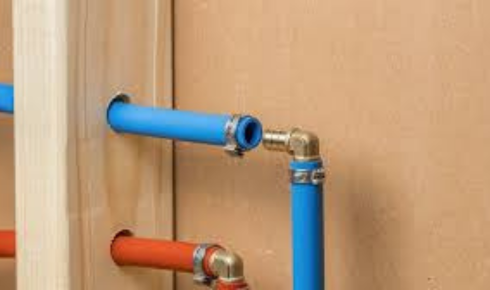
    The idea of replacing pipes sounds extreme at first. It feels like jumping straight to the biggest option on the menu. But for many homeowners, the shift toward professional repiping doesn’t come from impatience—it comes from fatigue.

    After the third or fourth repair, people start asking different questions. Not “How do we fix this leak?” but “Why does this keep happening?” That change in perspective is important.

    Repiping isn’t about chasing perfection. It’s about resetting the system so you’re not constantly reacting. It’s about choosing stability over endless maintenance.


    Understanding What Repiping Actually Means

    One reason homeowners hesitate is because they imagine walls torn apart and weeks of chaos. In reality, modern repiping techniques are far more efficient and controlled than many expect.

    Experienced professionals plan carefully. They map routes. They minimize disruption. And they focus on restoring function quickly. While it’s still a significant project, it’s rarely the nightmare people fear.

    More importantly, it addresses the root cause instead of the symptoms. Instead of playing whack-a-mole with leaks, you eliminate the conditions that cause them.


    The Long-Term Math Most People Don’t Do

    Individually, repairs don’t always seem expensive. A few hundred here. A bit more there. Spread out over time, they feel manageable. But add them up over years, and the picture changes.

    Between repeated labor costs, water damage repairs, rising water bills, and the constant mental load, the true cost of ongoing leaks often exceeds expectations. This is where pipe replacement services can actually become the more economical choice, even if the upfront number feels larger.

    Homeowners who take this step often say the same thing afterward: “I wish I’d done this sooner.” Not because it was cheap, but because it ended a cycle they didn’t realize was draining them.


    What Changes After the Work Is Done

    One of the most surprising parts of addressing systemic plumbing issues is how quickly normal returns. Water pressure stabilizes. Fixtures behave predictably. That musty smell disappears. You stop checking under sinks out of habit.

    There’s also a subtle emotional shift. You trust your home again. You leave without worrying. You stop bracing for the next problem.

    It’s not flashy. No one compliments your pipes. But life feels smoother, and that smoothness matters more than people realize.


    Why Timing Is Everything

    Waiting doesn’t always lead to disaster, but it often leads to urgency. Emergency situations limit choices. They raise costs. They add stress. Planned projects, even big ones, tend to be calmer and more controlled.

    Addressing plumbing issues before a major failure gives homeowners agency. You can schedule work. Prepare mentally. Ask questions. Choose materials that make sense for your home and future plans.

    That sense of control is part of the value, even if it doesn’t show up on an invoice.


    Listening to Patterns Instead of Hoping for Luck

    One leak is a fluke. Two might be coincidence. Three or more is usually a pattern. Homes don’t fail randomly—they wear down in recognizable ways.

    Paying attention to those patterns doesn’t make you paranoid. It makes you informed. And informed homeowners make better decisions, not just for their plumbing, but for their peace of mind.


    A Quiet Ending to a Noisy Problem

    Plumbing problems rarely announce themselves with drama at first. They whisper. They drip. They return when you least expect them. Over time, those whispers become harder to ignore.

    Choosing to address the root cause isn’t about overreacting. It’s about respecting your time, your space, and your sanity. When water flows where it should, when walls stay dry, and when repairs stop becoming a routine, home feels like home again.

    And that’s the real goal—not perfection, not upgrades for bragging rights—but a house that works quietly in the background, letting you live your life without interruption.

  • The Unsung Hero of Soft Water: Why Your Salt Tank Deserves More Attention

    The Unsung Hero of Soft Water: Why Your Salt Tank Deserves More Attention

    Most of us don’t spend much time thinking about the water we use every day. It flows, it’s there, and it (usually) does what it’s supposed to do—until, of course, it doesn’t. You know the signs: your skin feels drier, dishes come out with spots, and that luxurious shampoo lather suddenly turns to a sad drizzle.

    If you have a water softener, there’s a good chance the problem isn’t with the unit itself, but with something far simpler—the water softener salt container that quietly sits beside it.

    It might not be the flashiest part of your water system, but it’s definitely one of the most important.


    What the Salt Container Actually Does (And Why It Matters)

    That big plastic tank you often overlook is more than just a bin of salt—it’s a critical part of how your water softener functions. Its main job? Holding the salt that creates the brine solution, which is essential to regenerate the softener’s resin beads.

    Without that regeneration process, your softener can’t remove hardness minerals like calcium and magnesium from your water. That means you’re not just risking the quality of your water—you’re risking the lifespan of your appliances, pipes, and plumbing, too.

    And all of it starts in the salt container.


    A Quick Breakdown of How It All Works

    A typical water softener with brine tank operates in cycles. As water passes through the system, it flows over resin beads that capture hardness minerals. But those beads need to be cleaned every so often—this is called regeneration.

    Enter the salt tank. When the softener initiates a regeneration cycle, it pulls water into the salt container to create a brine solution. That salty mixture then flushes through the resin beads, cleaning off the minerals so the softener can keep doing its job.

    No brine = no cleaning = no soft water.

    It’s a simple system in theory, but one that depends heavily on proper maintenance—and, let’s be honest, how often do most of us check that tank?


    Common Problems That Start in the Salt Tank

    You might not think a plastic tank of salt could cause much trouble, but when something goes wrong, it ripples through your entire home. Here are a few signs to watch out for:

    • Salt bridging: When a hard crust forms above the salt, creating a hollow space underneath. The system thinks there’s salt, but it can’t dissolve properly.
    • Salt mushing: When the salt breaks down into a sludge that clogs the bottom of the tank, preventing water from forming brine.
    • Overflowing or leaking tanks: Usually due to clogged valves or improper drainage.
    • Stagnant water smells: A sign that the tank hasn’t been properly flushed or has sat idle too long.

    These are issues that often go undetected until your water quality drops. But with regular checks, they’re easy to catch—and even easier to prevent.


    Choosing the Right Salt Tank Setup

    Not every softener setup is created equal. Some systems use a combined unit, while others have a separate brine tank. The best choice often depends on your household’s water usage, space, and budget.

    If you’re in the market for a new system, or considering an upgrade, make sure you get a water softener salt tank that’s appropriately sized. Bigger isn’t always better—too much unused salt can lead to clumping and stagnant brine. On the flip side, too small a tank means frequent refills and inconsistent performance.

    Modern tanks also come with features like:

    • Overflow prevention systems
    • Easy-to-read salt level indicators
    • Built-in safety floats
    • Resin-friendly construction materials

    Ask your installer or local dealer for a unit that balances ease of use with durability. It’ll save you time, stress, and maintenance costs down the road.


    Tips for Keeping Your Salt Tank in Top Shape

    Even if your system is humming along smoothly, a little care goes a long way. Here’s how to make your salt tank last—and work its best:

    • Check salt levels monthly. Don’t wait until it’s empty. Keep it at least one-third full.
    • Break up salt bridges as needed. A broomstick works wonders—just be gentle.
    • Use the right salt. Pelletized or cube salt is generally better than rock salt for most residential systems.
    • Clean the tank annually. Once a year, empty it, rinse it out, and start fresh.
    • Keep the area around it dry and well-ventilated. Moisture can lead to clumping and corrosion.

    These aren’t big tasks, but they’ll help prevent the most common salt-related failures.


    When It’s Time to Replace the Tank

    Even the best tanks wear out eventually. If yours is cracked, corroded, leaking, or constantly giving you issues, it might be time for a new one.

    Here are a few signs replacement is a smarter choice than repair:

    • Cracks or bulges in the plastic
    • Frequent salt bridging or mushing, even with good salt
    • Repeated float valve failures
    • Unusual noises during regeneration cycles
    • Water softener not maintaining performance despite other fixes

    A good salt tank isn’t expensive, but it plays a massive role in your home’s water health. If it’s failing, your whole system will struggle.


    The Bottom Line: Don’t Overlook the Quiet Workhorse

    In the world of water treatment, the salt tank doesn’t get much glory. It doesn’t beep or blink. It doesn’t have a fancy touchscreen. But without it, the whole system falls apart.

    So next time you’re doing your usual household checks—changing filters, inspecting smoke alarms, wiping down the fridge shelves—take an extra minute to look inside your water softener salt container.

    If the salt looks good and the brine is flowing, great. If not? It might be time to break up a bridge, top it off, or give it a little TLC.

    Because clean, soft water starts in the salt tank. And when it’s happy, your whole home is happier too.

  • Finding Fix-It Confidence in a Broken Appliance Moment

    Finding Fix-It Confidence in a Broken Appliance Moment

    There’s a special kind of frustration that hits when your dishwasher goes on strike. Not dramatic sparks or a full-on flood—just quiet refusal. You load it, hit start, and… nothing. A blink. A hum. Then stillness. Suddenly, the leftover curry crusting on your plates becomes tomorrow’s problem—unless, of course, you’ve got a plan.

    Whether you’re the hands-on type who wants to roll up your sleeves or someone who just wants to hand the wrench over and walk away, knowing your options is half the battle. Appliances break, sure—but how we handle that moment? That’s where the real story begins.

    The Rise of the DIY Spirit (and When to Tap Out)

    There’s something satisfying about fixing things yourself. YouTube tutorials. Toolboxes. That victorious click when something finally snaps into place. A lot of us like to think we’re only a few good instructions away from being our own repair hero.

    That’s where resources like you fix it appliance parts shine. For those who want to take control—who enjoy problem-solving or just want to save a few bucks—having access to quality parts and guidance is a total game-changer. You don’t have to be a technician. You just have to be willing to learn, make a few mistakes, and keep trying.

    That said, DIY has its limits. When gas is involved? Call a pro. Electrical issues? Don’t gamble. If something feels outside your comfort zone or just plain unsafe, there’s no shame in picking up the phone.

    When Experience Matters More Than Bravado

    Let’s be honest—not everyone wants to mess with a faulty stove or a washing machine that shakes like it’s about to blast off. That’s totally fair. Sometimes, you want someone to show up, nod knowingly at the problem, and say, “Yep, I’ve seen this a hundred times. Easy fix.”

    That’s the beauty of working with local legends like mr fixit appliance repair—folks who’ve been in the game long enough to recognize a faulty valve or a misbehaving circuit board without needing to crack open a manual. They’re not guessing. They’re solving.

    And more often than not, they’re saving you from replacing an entire appliance when a $40 part and a 30-minute fix would’ve done the job. Experience like that? It’s worth its weight in working dishwashers and hot meals.

    Real Talk: Most Breakdowns Aren’t Catastrophic

    Here’s the secret most people don’t know: most appliance failures aren’t massive. They’re minor. A worn-out seal. A clogged filter. A burnt-out igniter. Small things that snowball when ignored.

    That’s why early signs—like strange noises, off smells, or performance hiccups—shouldn’t be brushed aside. That “kind of weird” behavior? It’s your appliance whispering for help. And whether you respond with a DIY game plan or a service call, it’s always better to act before the whisper turns into a full-blown shutdown.

    If you’re leaning toward self-repair, having access to authentic u-fix-it appliance parts can make the difference between a confident fix and a frustrating afternoon. There’s comfort in knowing you’ve got the right part, the right specs, and support if things get tricky.

    Community, Confidence, and a Clean Kitchen

    It’s funny—appliances are such a private part of our lives. They run quietly in the background, making everything easier. But when they break? Suddenly you’re crowdsourcing advice on neighborhood forums, texting your cousin who’s “pretty handy,” or stalking repair hashtags like a part-time detective.

    And there’s nothing wrong with that. Repairing something—whether yourself or with help—is oddly empowering. You’re taking back control. Saving money. Maybe even learning something new along the way.

    Plus, let’s face it, there’s a special kind of joy in hearing your dishwasher finally roar back to life or watching the oven preheat without a glitch. You feel like you did something. Because, well, you did.

    Knowing Who to Call (Or Where to Look)

    Whether you’re someone who fixes or someone who outsources, the real key is knowing your go-to. Maybe you’ve got a trusted repair tech who’s been in the family phone book for years. Maybe you’ve bookmarked a few reliable parts suppliers who’ve never steered you wrong.

    Either way, preparation beats panic. Keep a list. Have a plan. Know your limits—and your strengths.

    And next time something acts up? You won’t freeze. You’ll act. You’ll call. Or fix. Or both.

    Wrapping It Up (and Wiping Down the Counters)

    Here’s the thing about appliances: they’re only human. (Okay, they’re not. But they sure break like we do.)

    When they do, it’s easy to feel overwhelmed. But you’re not alone. Whether it’s a screw you tighten yourself or a circuit board replaced by a seasoned pro, the important part is knowing that you have options. Resources. People. Tools.

  • Turning Everyday Water into Something Better: A Real-World Guide to Alkaline Drinking Water

    Turning Everyday Water into Something Better: A Real-World Guide to Alkaline Drinking Water

    Water is one of those things we consume constantly and question rarely—until someone plants a seed of curiosity. Maybe it’s a conversation at the gym, a podcast on wellness, or a late-night search that leads you down a rabbit hole about pH levels. Suddenly, plain tap water feels… incomplete. And before you know it, you’re wondering whether there’s a simple way to make the water you already drink work a little harder for you.

    That’s usually where the alkaline water conversation begins—not with hype, but with curiosity.

    Why People Start Thinking About pH in the First Place

    Most of us grew up assuming water is just water. Clean equals good, end of story. But once you start reading about acidity, alkalinity, and mineral balance, things feel less straightforward. The idea behind alkaline water is simple enough: water with a higher pH than standard tap water, often enhanced with minerals that may improve taste and overall drinking experience.

    Some people swear it feels gentler on their stomach. Others just like the smoother taste. And some are simply interested in experimenting with small changes that feel intentional rather than extreme.

    Starting Simple, Not Extreme

    The biggest mistake people make when exploring alkaline water is going all-in too fast. You don’t need a lab, a complex system, or a full lifestyle reset. Many people begin by asking, how to alkaline your water at home in a way that’s safe, reasonable, and doesn’t feel like a science project.

    Simple options include alkaline filter pitchers, mineral drops, or cartridges designed to raise pH slightly while improving taste. These approaches don’t drastically change water chemistry, but they’re a practical way to see whether alkaline water is something you even enjoy drinking.

    The key is moderation. Alkaline water doesn’t need to replace every glass you drink. Think of it as an option, not a rule.

    Reverse Osmosis Water: Clean, But Often Too Neutral

    Reverse osmosis systems are great at removing impurities. That’s their strength. But in the process, they also remove beneficial minerals, often leaving the water tasting flat or overly neutral.

    This leads many homeowners to wonder how to make reverse osmosis water alkaline without undoing the benefits of filtration. The answer usually lies in remineralization. Adding minerals like calcium or magnesium back into RO water can raise the pH slightly while improving flavor and mouthfeel.

    Some systems include built-in remineralization stages. Others rely on post-filter cartridges or drops. The goal isn’t to push pH as high as possible—it’s to restore balance so the water feels more natural to drink.

    Taste Is the First Thing You’ll Notice

    Health discussions aside, taste is where most people form their opinion. Alkaline water often feels smoother, especially compared to heavily treated tap water or fully stripped RO water. That subtle change can make staying hydrated easier, which in itself is a meaningful benefit.

    When water tastes good, you drink more of it without thinking. And that habit tends to ripple into other healthy routines naturally.

    Chasing “High pH” Isn’t Always the Goal

    It’s easy to get caught up in numbers. Higher pH sounds better, right? Not always. Water that’s too alkaline can taste strange and isn’t necessary for everyday hydration.

    People searching how to make high ph water are often really looking for balance, not extremes. Most home methods aim for mildly alkaline water, not something dramatically different from what the body is already used to.

    Your body is very good at regulating its own pH. Alkaline water doesn’t override that system—it simply becomes part of what you consume. That’s why subtle changes tend to work better than aggressive ones.

    Safety, Common Sense, and Listening to Your Body

    Alkaline water isn’t for everyone, and that’s okay. People with certain health conditions should always check with a medical professional before making changes to their water or diet. Even for healthy individuals, it’s smart to ease in slowly and pay attention to how your body responds.

    If something feels off, stop. Wellness experiments should feel supportive, not stressful.

    Making Alkaline Water Part of Daily Life

    For those who enjoy it, alkaline water often becomes just another quiet habit. A pitcher in the fridge. A countertop filter. A post-RO mineral cartridge. Nothing dramatic, nothing disruptive.

    The best systems are the ones you forget about because they fit so easily into your routine. If it feels like work, it probably won’t last.

    Cutting Through the Noise

    There’s no shortage of bold claims online. Alkaline water has been credited with everything from better digestion to miraculous health transformations. The truth, as usual, sits somewhere in the middle.

    Alkaline water can be a pleasant, intentional upgrade to your hydration. It can encourage better drinking habits. It can taste better. But it’s not a cure-all, and it doesn’t need to be one to be worthwhile.

    A Thoughtful Ending, Not a Sales Pitch

    At its core, making alkaline water at home is about awareness. Paying attention to what you drink. Making small adjustments that feel good and sustainable. Letting curiosity guide you without pressure.

    Some people try alkaline water and move on. Others quietly keep it as part of their routine for years. Both outcomes are perfectly fine.

  • The Long Game of SEO: How Real Authority Is Built Without the Noise

    The Long Game of SEO: How Real Authority Is Built Without the Noise

    There’s a phase most people go through in SEO where everything feels urgent. Rankings need to move now. Traffic should’ve grown yesterday. Every tactic looks tempting if it promises speed. And yet, when you zoom out and look at the sites that consistently win year after year, their success rarely comes from urgency. It comes from patience, restraint, and a quiet confidence in how the web actually works.

    Authority online isn’t announced. It’s inferred.

    And that difference matters more today than it ever did.

    When SEO Starts Feeling Less Like Math

    At the beginning, SEO feels technical. Fix this. Optimize that. Add keywords here. It’s logical, almost comforting. But after a while, you notice something strange. Two sites can follow similar checklists and get very different results.

    That’s usually the moment when SEO stops feeling like math and starts feeling more like psychology.

    Search engines aren’t just scanning pages anymore. They’re observing behavior. How sites are referenced. How often they’re mentioned. In what context. By whom. And whether those mentions look like something a real person would naturally include while writing.

    That’s where links quietly take center stage again—not as a hack, but as a signal of reputation.

    The Problem With Trying Too Hard

    One of the biggest traps in link building is effort that shows. When a link looks like it was worked on, negotiated, adjusted, and forced into place, it often loses the very value it was meant to create.

    Real links don’t look polished. They’re sometimes buried mid-paragraph. Sometimes the anchor isn’t perfect. Sometimes the article itself isn’t flawless. And that’s exactly why they work.

    The web, in its natural state, is messy. Algorithms have learned to trust that mess more than overly clean, overly optimized patterns.

    Trying less—strategically—often does more.

    Why Context Is the Actual Ranking Factor

    A link without context is just a URL. Context gives it meaning.

    What’s the article about? Who’s it written for? What problem is being discussed? Where does the link sit within that flow of thought? These questions matter far more than most people realize.

    When a link appears in the middle of a genuine explanation or opinion, it behaves like a citation, not a promotion. Readers accept it. They don’t feel sold to. And search engines interpret that acceptance as trust.

    This is especially important in industries where scrutiny is higher. In those spaces, even one well-contextualized reference to escort backlinks inside a broader, relevant discussion can carry more long-term value than dozens of shallow placements that exist purely for SEO.

    Editors Are More Important Than Tools

    It’s easy to forget that before Google ever “reads” a link, a human usually approves it. Editors don’t think in rankings. They think in flow, clarity, and usefulness.

    They notice when a sentence bends awkwardly around an anchor. They notice when a paragraph exists only to justify a link. And even if they allow it once, content rarely stays frozen forever. Articles get updated. Trimmed. Improved.

    Links that add real value tend to survive those changes. Links that don’t slowly disappear.

    When your link fits so naturally that removing it would make the article worse, you’ve crossed an important threshold.

    Patterns Tell Stories Algorithms Can’t Ignore

    No single backlink defines a site. Patterns do.

    Search engines look for repetition. Same types of sites. Same anchors. Same article formats. Same pacing. When everything feels intentional in the same way, it stops feeling organic.

    Real websites don’t grow on schedules. They get mentioned unexpectedly. Sometimes there’s a burst of attention. Sometimes months of silence. That unevenness is natural, and healthy.

    A backlink profile that reflects that reality tends to hold up better during algorithm updates. It doesn’t look like it was “built.” It looks like it evolved.

    The Underestimated Power of Time

    Time is one of the few things SEO can’t fake.

    Links earned slowly suggest consistency. Relevance. Staying power. They tell a story of a site that continues to matter, not one that spiked briefly and vanished.

    Time also gives you feedback. You start to see which links actually bring people in, not just ranking changes. Which mentions get remembered. Which placements lead to secondary references later.

    Those insights are more valuable than any quick win, because they shape smarter decisions over the long run.

    Links Are Also for Humans (Not Just Crawlers)

    It sounds obvious, but many people forget it: links are meant to be clicked.

    When a reader encounters a link that genuinely helps them understand a topic better, that interaction sends signals beyond SEO. It builds familiarity. Trust. Recognition.

    Maybe they don’t convert. Maybe they don’t even click immediately. But they remember the name. They recognize it later. That subtle brand memory compounds over time.

    Sites with real audiences tend to be more stable. They don’t rise and fall as dramatically with every update because their value isn’t tied to search engines alone.

    Ending on a Quiet Truth

    The strongest SEO strategies don’t feel aggressive. They feel thoughtful. Almost boring on the surface.

    They focus less on extracting value from the web and more on contributing to it. On being mentioned for the right reasons, in the right places, at the right pace.

    Good links don’t shout. They sit comfortably inside meaningful content and keep working long after the excitement of “placement” is gone.

    If you build with that mindset—writer first, optimizer second—you don’t just chase rankings. You build authority that lasts. And in today’s SEO landscape, that’s still the rarest and most valuable outcome of all.

  • Эвакуационная пожарная лестница: практическое руководство

    Эвакуационная пожарная лестница: практическое руководство

    Когда на фасаде появляется лестница, это всегда про безопасность людей и предсказуемость действий в тревожной ситуации. Эвакуационная пожарная лестница — это не «запасная опция», а полноценный маршрут, по которому должны быстро и без лишних манёвров выйти взрослые, дети, сотрудники и посетители, в том числе в темноте, дожде и гололёде.

    Что отличает эвакуационный маршрут от «служебной вертикали»

    Эвакуационная конструкция обязана «вести» человека, а не «просить осторожности». Отсюда базовые принципы:

    • предсказуемая геометрия без резких перепадов;
    • непрерывные поручни на всём пути;
    • площадки в местах изменения направления и на уровнях дверей;
    • противоскользящая поверхность ступеней и площадок;
    • понятные подходы к лестнице на уровне земли и аккуратный выход к дверному проёму наверху.

    Если маршрут предполагает движение группами (учебные здания, офисные блоки, ТРЦ), уделяют внимание ширине маршей, чтобы люди не «заторились» на поворотах и у дверей.

    Конфигурации: марши, площадки и вертикали

    Чаще всего для эвакуации выбирают маршевую систему (аналог семейства П2): ступени на косоурах/тетивах, промежуточные площадки, ограждения с поручнями. Вертикальная линия может использоваться как часть пути только там, где это не ухудшает безопасность и скорость выхода, и, как правило, для персонала, а не массовых потоков. На практике лучше заранее зафиксировать, кто и как пользуется лестницей: посетители, сотрудники, дети, люди с ограниченной подвижностью — от этого зависят ширины, высоты поручней, наличие дополнительных поручней и форм-фактор ступеней.

    Геометрия: ширина, уклон, высоты и вылеты

    • Ширина марша выбирается из расчётной численности людей, а также габаритов дверей, к которым примыкают площадки. Узкий марш «душит» поток как горлышко бутылки.
    • Уклон должен позволять идти естественным шагом, без «козьего» шага и прыжков на площадках. Слишком крутая лестница увеличивает время эвакуации и риск падений.
    • Вылет от фасада задают так, чтобы хват был уверен, а анкера не получали чрезмерный рычаг.
    • Площадки ставят на уровнях дверей и в местах поворотов, обеспечивая пространство для разворота и одновременного прохода двух людей.

    Ограждения и поручни

    Поручни тянут «ниткой» без обрывов: на подходах, на маршах и на площадках. Любой «разрыв» заставляет человека инстинктивно искать новый хват и замедляет движение. Ограждения не должны иметь острых кромок и зазоров, куда может попасть нога ребёнка. На пандусах и в учреждениях с детскими потоками дублируют поручень ниже — тактильная «дорожка» становится понятной всем.

    Настил ступеней и площадок

    Решётчатый настил или перфорация работают лучше гладкого листа: вода и снег уходят, поверхность самоочищается, риск скольжения ниже. В регионах с частыми оттепелями и реагентами это не эстетика, а практическая необходимость. На площадках и в «карманах» у дверей продумывают дренаж и снегозадержание: нависающие карнизы над проездами и входами исключают заранее.

    Узлы примыкания: двери, парапеты, кровля

    Два «классических» места, где чаще всего возникают ошибки:

    1. Выход к дверям. Площадка должна «подводить» человекa прямо к створке, без косых шагов и «ступенек» уровня — петли двери не цепляют ограждения, а полотно открывается свободно по направлению движения.
    2. Переход на кровлю. На верхнем пролёте человек обязан уверенно перехватиться и сделать шаг. Кровельный ковёр остаётся целым, а ограждение крыши — в зоне доступного хвата. Любые импровизации «на коленке» здесь превращаются в срыв сроков приёмки.

    Крепёж и основания

    Крепить лестницу «в облицовку» — путь к вырывам и запрету эксплуатации. Усилия передают в несущую стену:

    • монолит и тяжёлый бетон — анкерные группы с контролем расстояний до кромок и швов;
    • полнотелый кирпич — аккуратное сверление, выбор длины анкера и работа по плотным швам;
    • пустотелый кирпич и блоки — химические анкера с сетчатыми гильзами и увеличенной зоной распределения;
    • навесные системы и сэндвич — узлы передачи в несущую стену.

    Материалы и защита от коррозии

    Несущие элементы — сталь с честной подготовкой поверхности: пескоструй, грунт, финиш, либо горячее цинкование. В прибрежной зоне и там, где применяются соли и химия, цинкование даёт более предсказуемый ресурс. Болтовые соединения — оцинкованные; при смешении нержавейки и «чёрной» стали используют изоляционные прокладки, иначе получите гальваническую коррозию и рыжие подтеки. Кромки и зоны реза защищают в первую очередь.

    Проект и ТЗ (какие данные нужны производителю)

    Чтобы избежать подрезок «по месту» и затяжек календаря, в заявке указывают:

    • назначение лестницы (эвакуация посетителей/персонала, постоянный технологический доступ);
    • этажи/отметки, координаты дверей и окон, высоты парапетов, расположение козырьков и оборудования;
    • требуемую ширину маршей, уклон, наличие дополнительных поручней;
    • тип настила (решётка/перфорация), желаемую систему защиты металла;
    • материал основания и фото фасада;
    • условия монтажа (стеснённость, время шумных работ, возможность автовышки);
    • комплект документов на выходе (паспорт, протоколы покрытий/испытаний, исполнительная).

    Производство и контроль

    На ответственном заводе лестницу собирают по шаблонам: проверяют геометрию, шаг ступеней, ровность площадок, качество швов и отсутствие острых кромок. Толщину защитного слоя фиксируют протоколами. Делают выборочные нагрузочные пробы на ступенях и ограждениях. Маркируют секции и комплектуют метизы, чтобы монтаж не превращался в квест.

    Монтаж

    Работы начинают с разметки и сверки привязок с реальным фасадом. Анкера ставят в подготовленные отверстия, для химических составов выдерживают время. Секции стыкуют без «ступенек», контролируют вертикали/горизонтали и вылет. Узлы у дверей и на кровле собирают в первую очередь — если там есть несостыковки, их решают немедленно, не дожидаясь обшивки и ограждений. Финал — акт скрытых работ, исполнительная документация и приёмочные испытания.

    Эксплуатация

    После зимы — осмотр крепежа и восстановление покрытия на кромках, очистка решётчатого настила от мусора, ревизия снегозадержания и водоотвода. Периодические испытания ограждений и ступеней фиксируют в журнале. Регулярность проста и недорога, но она убирает большинство проблем до того, как появятся предписания.

    Ошибки и последствия

    • Узкие марши и площадки — заторы и падения в потоке.
    • Скользкий настил — травмы в дождь и зимой.
    • Крепёж в облицовку — вырывы, крены, запрет эксплуатации.
    • «Рваные» поручни — человек теряет хват и скорость движения.
    • Непродуманный переход к двери/к кровле — задержки, переделки, срыв ввода.

    Чек-лист для приёмки

    • Геометрия маршей и площадок выдержана; поручни непрерывны.
    • Настил — решётка/перфорация, сцепление уверенное; луж и наледи не образуется.
    • Крепёж в несущую стену; анкера подтянуты, люфтов нет.
    • Узлы у дверей и на кровле — без «ступенек» и опасных зазоров; гидроизоляция крыши цела.
    • Покрытие без сколов; кромки и торцы защищены.
    • Документы: паспорт, протоколы покрытий/испытаний, исполнительная схема.

    Эвакуационная пожарная лестница — это маршрут, который должен работать в любой день, при любой погоде и в любом состоянии нервов у людей. Если правильно задать геометрию, продумать узлы у дверей и на кровле, выбрать настил с хорошим сцеплением и не экономить на крепеже и покрытии, путь получится коротким, понятным и безопасным. Именно такого результата ждут от конструкции, которая однажды может стать единственной дорогой к выходу.

  • Pluto TV: Free Streaming and Ad-Supported Content ExplainedOrigins and Evolution of a Pioneering Service

    Pluto TV: Free Streaming and Ad-Supported Content ExplainedOrigins and Evolution of a Pioneering Service

    Pluto TV emerged in 2013 as an innovative approach to digital entertainment, founded by visionaries who recognized the potential in curating free, accessible content for a broad audience. Headquartered in Los Angeles, the platform quickly distinguished itself by mimicking the familiar structure of traditional television while leveraging internet delivery. Initially focused on short-form digital videos, it evolved rapidly into a comprehensive service offering linear channels that broadcast continuously, much like cable networks.

    The turning point came in 2019 when Viacom acquired Pluto TV for $340 million, integrating it into a larger media ecosystem. This acquisition allowed access to extensive libraries from networks like MTV, Nickelodeon, BET, and Comedy Central, enriching the lineup with branded channels. Following further corporate shifts, including the merger forming Paramount Global and later the Paramount-Skydance partnership completed in 2025, Pluto TV now operates under the Paramount Skydance Direct-to-Consumer division. This ownership has solidified its position as a leader in free ad-supported streaming television, often abbreviated as FAST.

    By late 2025, the service boasts hundreds of channels and a vast on-demand library, drawing millions of monthly active users across multiple continents. Its growth reflects a broader industry trend toward ad-supported models that prioritize accessibility over subscription fees.

    The Core Mechanics of Ad-Supported Streaming

    At its foundation, Pluto TV operates on a straightforward yet effective revenue model: advertisements fund the entire experience, eliminating any cost to viewers. This approach mirrors classic broadcast television, where commercial breaks interrupt programming at natural intervals. Ads appear during live channels and on-demand viewing, typically structured to align with traditional TV formats—short interruptions that maintain immersion without overwhelming the content.

    The platform generates income through targeted advertising, leveraging viewer data to deliver relevant promotions while ensuring a premium, brand-safe environment. Partnerships with over 170 content providers enable a diverse inventory, including films, series, news, and sports. This model not only sustains operations but also appeals to audiences seeking alternatives to paid subscriptions, particularly in an era of rising streaming costs.

    Viewers benefit from zero barriers to entry—no sign-up required for basic access, though optional accounts unlock features like favorites and cross-device continuity. The result is a frictionless experience that encourages casual browsing and prolonged engagement.

    Navigating the Expansive Channel Lineup

    One of Pluto TV’s standout attributes is its grid-style guide, reminiscent of cable program listings, which facilitates easy channel surfing. As of 2025, the service offers over 250 channels in key markets, categorized into genres such as movies, sports, news, comedy, reality, and classics.

    Dedicated channels often focus on specific themes or franchises, including perennial favorites like Star Trek marathons, CSI reruns, or reality blocks from networks like BET. Seasonal pop-ups add variety, with holiday-themed programming or event-specific streams. Recent additions have included culinary channels featuring personalities like Martha Stewart and Emeril Lagasse, wrestling hubs, and true crime offerings.

    Live elements extend to sports, with partnerships enabling streams of events like Monster Jam or UEFA Champions League matches via channels such as CBS Sports Golazo. News options range from Bloomberg to regional CBS affiliates, providing real-time updates. This linear format appeals to those who prefer passive viewing, allowing content to unfold without constant decision-making.

    On-Demand Library and Personalized Features

    Complementing the live channels is a robust on-demand section, housing thousands of movies and TV episodes. Titles span classics to more recent releases, drawn from Paramount’s vaults and licensed partners. Highlights often include blockbuster series, independent films, and niche documentaries.

    Users can pause, resume across devices, or build watchlists with an account. The interface supports genre browsing, search functionality, and recommendations, enhancing discoverability. Limited-time collections, such as the full James Bond franchise in late 2025 or holiday chaos-themed lineups, keep the catalog fresh and engaging.

    This hybrid of scheduled broadcasting and selectable viewing creates a versatile platform suitable for varied moods and schedules.

    Device Compatibility and Global Reach

    Pluto TV prioritizes wide accessibility, supporting an array of devices including smart TVs from Samsung, Vizio, and LG; streaming players like Roku, Amazon Fire TV, Apple TV, and Chromecast; gaming consoles such as PlayStation and Xbox; and mobile apps for iOS and Android. Web browser streaming ensures compatibility with computers.

    Geographically, the service spans the Americas and Europe, available in over 30 countries including the United States, Canada, Brazil, the United Kingdom, Germany, France, Italy, Spain, and much of Latin America. Content varies by region due to licensing, with the U.S. offering the most extensive lineup. Expansions continue, with recent focuses on localized channels and partnerships.

    This broad distribution makes it a go-to option for cord-cutters and travelers seeking familiar entertainment without additional hardware.

    Standing Out in a Crowded Free Streaming Landscape

    In comparison to peers like Tubi, The Roku Channel, or Sling Freestream, Pluto TV excels in its emphasis on live, linear channels, providing a cable-like rhythm that competitors often prioritize less. While Tubi leans toward expansive on-demand movies, Pluto balances both, with curated programming that feels professionally scheduled.

    Ad frequency is comparable across services, though some users note Pluto’s breaks align closely with traditional TV pacing. Unique strengths include Paramount-backed exclusives and frequent thematic events, setting it apart for nostalgia-driven or genre-specific viewing.

    Overall, it remains a top choice for those valuing variety and serendipitous discovery over algorithmic on-demand dominance.

    Seasonal Innovations and Ongoing Developments

    Pluto TV frequently refreshes its offerings with timely campaigns, such as the 2025 “Holidays Are Brutal” collection acknowledging the stresses of the season through adrenaline-fueled films, paired with promotional activations. December 2025 spotlighted the complete James Bond series, underscoring its ability to secure high-profile limited runs.

    Behind the scenes, integrations following corporate mergers aim for enhanced technology stacks by 2026, potentially streamlining user experiences. These updates reflect a commitment to evolution while preserving the core free-access ethos.

    Embracing the Future of Accessible Entertainment

    Pluto TV exemplifies how ad-supported models can democratize quality content, offering a compelling alternative in an increasingly fragmented streaming world. Its blend of live channels, on-demand flexibility, and broad device support ensures enduring appeal for diverse audiences. As the platform continues to expand channels, secure partnerships, and innovate seasonally, it solidifies its role as a staple for cost-conscious viewers seeking reliable, engaging television without commitments.