Blog

  • How a Salt Delivery Service Simplifies Life at Home

    How a Salt Delivery Service Simplifies Life at Home

    Let’s talk about something gloriously unglamorous: salt. Not the fancy Himalayan pink kind you sprinkle on avocado toast. Nope—we’re talking water softener salt. The 40-pound bag kind. The kind you suddenly realize you’re out of right when your water starts leaving spots on the glasses and your skin feels tight after a shower.

    If you’ve got a water softener in your home, you know exactly what I mean. You also know the drill—check the brine tank, sigh loudly, head to the store, and manhandle bulky bags of salt into your trunk. Then you wrestle them into your home, trying not to break a sweat or your back. That’s the hidden tax of soft water.

    But what if that entire chore just… disappeared?


    One Less Thing to Worry About

    Imagine this: You’re sipping coffee on a Saturday morning, scrolling through the weekend to-do list. Grocery store, oil change, clean the garage. And then you realize—oh yeah, no need to pick up salt. It’s already been taken care of. A quiet little victory.

    That’s the beauty of a salt delivery. It’s not flashy. It won’t make your Instagram feed. But it will make your life a whole lot easier. It’s one of those sneaky-smart upgrades that gives you time and energy back without requiring anything in return—except maybe a quick “yes” when you first sign up.


    Convenience in the Age of Everything-as-a-Service

    We live in the golden age of doorstep delivery. Groceries? Check. Dog food? Check. Organic produce, meal kits, wine, toilet paper? Double check. So it makes perfect sense that salt—yes, good old salt—can now be delivered just like everything else.

    A salt delivery service near me isn’t just about avoiding the store. It’s about knowing you’ll never forget to refill your system again. No more hard water surprises, no more guessing games. Just consistent, reliable service that keeps your system humming without the hassle.


    Who Benefits the Most?

    Honestly? Everyone. But especially…

    • Busy families juggling work, school, and everything in between.
    • Elderly homeowners who shouldn’t be lifting heavy bags.
    • People with health or mobility concerns who need safe, accessible solutions.
    • Anyone who just… doesn’t want to deal with it anymore.

    And look, there’s no shame in outsourcing the things that drain you. In fact, it’s smart. The goal isn’t to prove you can do it all—the goal is to manage your energy, your time, and your body better.


    It’s About More Than Salt

    This might sound dramatic for something as basic as water softener salt—but the service is bigger than that. It’s peace of mind. It’s one less reminder in your phone. It’s avoiding those “oh crap” moments when hard water returns.

    A dependable salt delivery service ensures your system keeps doing its job—quietly, behind the scenes—so your clothes stay soft, your dishes stay clear, and your appliances last longer.


    What to Look For in a Good Service

    Not all delivery services are created equal. The good ones offer:

    • Flexible scheduling (every month, two months, whatever you need)
    • Clear pricing with no weird hidden fees
    • Top-quality salt, because not all salt is the same
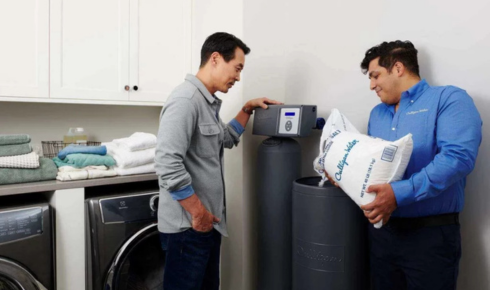
    • Optional tank refilling—yes, some will actually pour the salt in for you

    Local providers usually offer the best service, so if you’re hunting for options, searching for something like a “salt delivery service near me” is a great place to start. You’ll likely find someone who understands your water system, knows your local water conditions, and won’t mind navigating your driveway in the snow.


    A Surprisingly Smart Investment

    Let’s break it down. You’ll save:

    • Time (no more salt runs to the store)
    • Energy (no more lifting, hauling, and pouring)
    • Stress (you’ll never run out unexpectedly again)

    For most people, the cost is modest—usually just a few bucks more than buying in-store, depending on location and volume. When you factor in everything else you’re gaining, it’s an easy tradeoff.

    And hey, if you’re already used to Amazon Prime bringing you everything from batteries to bulk peanut butter, adding salt to that list feels completely normal.


    Small Shifts, Big Wins

    Modern living isn’t about doing it all. It’s about doing what matters—and outsourcing the rest.

    Getting salt delivery doesn’t mean you’re lazy. It means you’re smart enough to say, “No thanks” to unnecessary chores and “Yes, please” to having more time for things you actually care about.

    So the next time you find yourself dragging a heavy bag across the garage floor, ask yourself: is this really the best use of my Saturday morning?


    The Bottom Line

    Sometimes, it’s the quiet conveniences that make the biggest impact. A salt delivery service won’t change your life overnight—but it will lighten your load, both literally and mentally.


  • What’s in Your Water? Why Testing, Treatment, and Trust Matter More Than Ever

    What’s in Your Water? Why Testing, Treatment, and Trust Matter More Than Ever

    You turn on the tap, fill a glass, and take a sip without thinking twice. But have you ever stopped to wonder what’s actually in that water? It may look clear. It may taste fine. But your water could be hiding more than you realize — and the only way to know for sure is with a proper water testing process.

    Let’s face it, clean water isn’t just a convenience — it’s a necessity. Whether it’s for drinking, cooking, bathing, or doing laundry, the quality of your water impacts your life every single day. And here’s the thing: problems with water quality rarely announce themselves with flashing warning lights. They show up quietly — in buildup on your faucets, itchy skin, cloudy glasses, or even just a strange taste you can’t quite place.


    When “Normal” Water Isn’t Actually Normal

    A lot of households get so used to their water that they stop noticing the small signs. Maybe your white shirts come out dingy from the laundry. Or your tea kettle gets crusty no matter how often you scrub it. It’s easy to shrug it off as “just the water here.”

    But those clues point to hard water — a common problem that affects millions of homes. And it doesn’t just leave a chalky residue. Hard water is tough on your pipes, your appliances, and even your skin and hair. If you’ve been spending a fortune on lotion and shampoo lately, it might not be your routine — it might be your water.

    That’s where hard water reduction solutions come into play. From whole-house softeners to more targeted systems, reducing mineral content not only protects your plumbing but can actually make your clothes feel softer, your soap lather better, and your dishes sparkle the way they should.


    Sediment: The Silent Saboteur in Your System

    Even if your water feels fine, that doesn’t mean it’s clean. One of the most overlooked culprits in poor water quality is sediment — tiny particles of sand, dirt, or rust that sneak in through aging pipes or groundwater sources.

    Over time, these particles can clog fixtures, damage water heaters, and make your morning coffee taste just a little off. You might not even realize it’s happening until your plumbing starts acting up or your filters wear out way too fast.

    Installing a system for sediment treatment is like giving your entire water supply a pre-wash. It clears out the junk before it can cause trouble, ensuring every drop that flows through your home is cleaner, safer, and better for your gear.


    Why “Just a Filter” Isn’t Enough

    Let’s bust a myth real quick: not all filters are created equal. That little attachment on your kitchen faucet might catch some chlorine and improve taste, but it’s barely scratching the surface. Real water treatment goes way deeper than a carbon cartridge.

    Every home’s water is different. Maybe you’ve got iron, or sulfur, or even invisible contaminants like nitrates or bacteria. That’s why it all starts with a solid water testing process. Without it, you’re just guessing — and in this case, guessing wrong could cost you.

    Professionals can test for everything from pH imbalance and heavy metals to microbial contamination. Armed with that info, you can make smart decisions about filtration, softening, or purification — tailored to your actual needs.


    Water Isn’t Just Water — It’s a System

    Here’s something a lot of folks don’t think about: your water runs through an entire system before it hits your glass. From the source (well, municipal, or rainwater tank) to your pipes, to your faucet — every stage has a part to play. So if something goes wrong, you’ve got to know where the problem starts.

    That’s why a good water treatment solution isn’t one-size-fits-all. A family dealing with scale buildup in the Midwest has totally different needs from a Florida household battling sulfur and high iron. Local water conditions matter — and that’s where experience, customization, and the right technology make all the difference.


    It’s Not Just About Drinking Water

    Sure, drinking water gets the spotlight — but quality matters just as much when you’re cooking pasta, taking a shower, or brushing your teeth. Think about it: your skin is your body’s largest organ, and it’s in contact with your water every day. So if your water’s off, it can affect more than your taste buds.

    Cleaner water means healthier skin, shinier hair, less wear on clothes, longer appliance life, and even better results when you’re mopping the floor. It’s a whole-home improvement you can feel — and often see — immediately.


    The True Cost of Doing Nothing

    People often hesitate to invest in water treatment systems. But think of it this way: what’s the cost of not doing it? Replacing corroded pipes, repairing clogged water heaters, or dealing with unexplained health issues can end up being far more expensive in the long run.

    A few hundred bucks now might save you thousands down the road — and give you peace of mind that your water is working for you, not against you.


    Wrapping Up: Trust What You Test, Treat What You Know

    At the end of the day, your home should feel like a safe haven — and that starts with clean water. No guessing. No wondering. Just confidence that every drop coming out of your faucet is the best it can be.

    Whether you’re tackling hard water, strange smells, or sediment buildup, the first step is always the same: test your water. Then build a solution that fits your life, your needs, and your goals.

  • From Shingles to Peace of Mind: What to Expect When You’re Getting a New Roof

    From Shingles to Peace of Mind: What to Expect When You’re Getting a New Roof

    There’s a moment — usually after spotting a mysterious stain on the ceiling or hearing that telltale drip-drip-drip — when you realize: it might be time for a new roof. And then the anxiety kicks in. What now? Who do I call? How long does it take? How much is this going to cost me? Will my dog freak out with all the banging?

    Totally normal questions. Roofing isn’t something most folks deal with often, and the process can feel overwhelming. But it doesn’t have to be a headache. In fact, with the right team and a little prep, it can be surprisingly smooth. This guide will walk you through what to expect roofing process wise — from that first phone call to the final cleanup.


    It All Starts With the Right People

    Sure, you could hire any roofing company off the internet. But when you’re dealing with something as important as the literal cover over your family’s heads, who you work with really matters.

    There’s something comforting about working with a team that’s been doing this for decades — folks who still answer the phone themselves, know your neighborhood, and treat your home like it’s their own. That’s why so many homeowners lean toward family owned roofing benefits when weighing options.

    These companies usually care a little more — not because they have to, but because their name is on the line. You’re not just a job; you’re part of the community. And that makes a real difference, especially if any issues pop up down the line.


    Before the First Shingle Drops

    Once you’ve chosen your roofer, things start rolling pretty quickly. First up: inspection and estimate. They’ll check the condition of your current roof, attic, ventilation, and sometimes even your gutters and flashing. After that comes the detailed quote, which should include labor, materials, warranties, permits — the whole shebang.

    Ask questions. If something’s unclear, speak up. Good roofers won’t rush you through it. They’ll explain the materials they recommend, walk you through different price points, and even help you figure out financing or insurance if needed.


    Prep Time: The Calm Before the (Controlled) Storm

    Here’s where you’ll do some light prep. Park cars away from the house. Move fragile outdoor items. Maybe warn your neighbors (roofing noise isn’t subtle). And brace for a couple days of hammering and the occasional clatter.

    Inside your home, take down anything hanging on walls or shelves near the ceiling. Vibrations can travel. It’s a good excuse to finally store those Christmas decorations you never got around to putting away.


    Install Day(s): Boots on the Roof

    Roofing jobs typically kick off early — we’re talking sunrise, coffee-still-brewing early. The crew will tear off your old roof first (unless you’re doing a roof-over, which is rare these days), lay underlayment, install flashing, and then start placing the new shingles or material of choice.

    Depending on the size and complexity of your roof, this might take a day or two — or stretch into three for larger or more intricate structures. Weather can cause delays, but a reliable contractor will keep you updated every step of the way.

    And that brings us to the often-dreaded, rarely-understood roofing timeline explanation. In simple terms:

    • Day 1: Tear-off, prep, underlayment
    • Day 2: Shingle or material install
    • Day 3 (if needed): Cleanup, final details, gutter touch-ups, inspection

    Some projects finish in a day. Some need a bit more. Communication is key — no homeowner likes to be left wondering where the crew disappeared to.


    Clean Up Crew (Yes, They’re Real)

    A quality roofing team doesn’t just slap on shingles and peace out. The last day involves serious cleanup — hauling away old materials, running magnets to collect stray nails, checking your yard, flower beds, driveway. It should look like they were never there… except now, your roof looks amazing.

    Take time to walk around with the crew leader. Ask for photos of the install if you didn’t get to peek while it was happening. Confirm warranties and make sure you’ve got paperwork in hand before they leave.


    After the Dust Settles

    Once the crew rolls out, your job’s pretty much done. But it’s smart to keep an eye on things — especially during the first big rain or storm. If anything feels off, call your roofer. Reputable companies will respond quickly and make it right.

    You should also register your product warranties if needed (your roofer will help with that). And set a reminder to have your roof inspected every year or so. A little maintenance goes a long way in protecting that investment.


    Final Thoughts: It’s More Than Just a Roof

    Let’s be real — getting a new roof is a big deal. It’s noisy. It’s a little disruptive. And yes, it’s a significant expense. But it’s also one of the smartest things you can do for your home.

    You’re not just upgrading shingles. You’re protecting your walls, ceilings, HVAC, electrical — your entire foundation, really. You’re increasing curb appeal, resale value, and probably sleeping a little easier during those spring storms.

  • When the Tap Tells a Story: A Human Take on Well Water, Quality & Technology

    When the Tap Tells a Story: A Human Take on Well Water, Quality & Technology

    The moment you turn on the tap and murky water trickles out, it’s not just about water anymore. It becomes a question. A worry. Sometimes, even a family debate. What are we drinking? What’s in this water? And is it safe?

    If you’ve ever dealt with well water—truly lived with it, not just read about it—you know it has its own personality. Unlike city water, it isn’t monitored and tweaked by a municipality. It’s yours. Raw, wild, sometimes moody. One week it’s crystal clear. The next, it’s staining your sink or tasting like it came from a rusty pipe in a forgotten shed. That unpredictability? It’s why more homeowners are turning to smarter solutions to wrestle control back from the unknown.

    Let’s have a real conversation about that.


    The Hidden Story in Your Well Water

    A lot of people don’t realize how much their well water is quietly affecting daily life. Discoloration, odd smells, itchy skin after showers, scale on appliances—it all starts adding up. It’s not just an aesthetic nuisance. Over time, unbalanced minerals, bacteria, and trace contaminants can impact plumbing, home appliances, and most importantly, your health.

    Now here’s the thing. Most of us didn’t grow up running lab tests. We trust our senses, and they don’t always catch what’s brewing underground. That’s where advanced water quality technology steps in—not to replace our instincts, but to back them up with real data and smart solutions.


    Tech Isn’t Just for the Big Cities

    Forget whatever sci-fi picture the phrase conjures up. Advanced technology in water treatment isn’t flashy. It’s practical. It’s that quiet box in your basement filtering iron, sulfur, manganese, and whatever else Mother Earth decided to mix into your well. It’s a filtration system that knows how to adapt, how to monitor, how to self-clean, even how to talk to you through an app.

    What makes today’s systems different from the clunky setups of ten years ago? They’re efficient. They learn your water patterns. And they’re designed to last. With real-time diagnostics, some can even warn you before problems start. We’re not talking about luxury here—we’re talking about peace of mind.


    Clean Water Shouldn’t Be a Guessing Game

    You shouldn’t need a chemistry degree to know if your water’s safe. That’s why free testing has become such a game changer in the well water space. Not gimmicky “we’ll test if you buy” traps, but honest-to-goodness tests that tell you what’s in your water and what needs to happen next.

    Let’s face it—most homeowners wouldn’t even think of asking for a free well water estimate unless something went obviously wrong. But here’s the truth: sometimes the most dangerous stuff in your water doesn’t make a sound, a smell, or a color. A proper assessment doesn’t just catch the usual suspects (iron, bacteria, hardness). It can also flag more serious concerns like arsenic or nitrates. Stuff you’d never guess.


    The Quiet Confidence of Good Water

    There’s a kind of relief that settles over a home when the water’s finally right. Clothes come out of the laundry without weird orange blotches. Showers don’t smell like rotten eggs. The coffee tastes cleaner, brighter. And, maybe most important of all, there’s no second-guessing every time your kid fills up a glass.

    That kind of comfort isn’t just about clean water. It’s about control. You’re not wondering if this week’s rainfall is going to shake things up or if some mysterious underground shift will introduce a new weirdness into your plumbing. You’ve got it handled.

    And that’s what most people are really after when they start looking to improve well water quality—a simple kind of trust in the water they use every day. It’s not about luxury. It’s about reclaiming certainty.


    More Than Just the Equipment

    We should also talk about the human side of all this. Because yes, the tech matters. Yes, the tests matter. But what really makes or breaks the process? The people behind it.

    You want someone who’s seen it all. A team that understands your region, your soil, your water table quirks. Not a one-size-fits-all fix, but a conversation. A plan. Maybe even a second opinion before you spend a dime. That kind of relationship matters—especially when you’re inviting someone to solve a problem so central to your daily life.

    And truthfully, this is where a lot of companies go wrong. They sell you gear. What you really need is insight.


    Small Fixes, Big Shifts

    Sometimes, fixing your water doesn’t mean dropping a few grand on some high-end filtration station. Sometimes it’s a tweak. A change in filter. A better softener. A UV system for peace of mind. Or even adjusting usage habits around peak draw times.

    The beauty of starting with a proper test and a candid conversation is that it puts the power back in your hands. It lets you decide what matters most—taste, safety, efficiency, all of the above—and build a solution around your life. Not around a sales quota.


    So, What’s the First Step?

    Start small. Ask questions. Look for local companies that offer water assessments with no strings. If you’re reading this because something felt off in your water—or just because you’re curious—you’re already halfway there. This isn’t one of those things you wait on until it breaks. Water touches everything in your home. Getting ahead of it? That’s one of the smartest homeowner moves you can make.


    Final Thoughts: Water Is More Than H2O

    In the end, we don’t just want clean water. We want water that feels like it belongs in our homes. Water that supports, doesn’t stress. Water that tastes right, works right, feels right. That’s what it really comes down to.

    And sure, the technology is better than ever. But what really makes it all worthwhile is how it fits into your life—quietly, reliably, consistently.

    When you finally stop thinking about your water altogether, that’s when you know you’ve nailed it.

  • Why Non-Electric Water Softeners Are Gaining Ground

    Why Non-Electric Water Softeners Are Gaining Ground

    If you’ve ever opened your dishwasher to find cloudy glassware or scrubbed a shower door only to see streaks reappear within hours, you’ve probably had a run-in with hard water. It’s a quiet nuisance, building up minerals on faucets, scaling pipes, and turning daily routines into minor annoyances. Water softeners are the heroes behind the scenes—yet, not all are created equal.

    And oddly enough, the ones without a plug are stealing the spotlight.


    The Case for Going Plug-Free

    There’s something incredibly satisfying about a solution that just works—no apps, no blinking lights, no beeping alerts in the middle of the night. That’s the appeal of the best non electric water softener options. They rely on water pressure and mechanical systems to function, which means no wiring, no programming, and no risk of a power outage knocking your soft water offline.

    You install it, set it, and then pretty much forget it’s there. It’s the kind of quiet convenience that doesn’t ask much of you but still delivers day after day. In an age where everything has a chip and a screen, there’s something refreshingly old-school—and oddly futuristic—about simplicity.


    Why Electric Still Dominates… For Now

    Let’s be fair, electric water softeners have their strengths. They often offer more control, letting you fine-tune regeneration cycles, monitor usage, and even sync with your phone in some cases. For large households or homes with extremely hard water, this level of customization can be useful.

    They’re like the luxury SUV of water softening—comfortable, high-tech, and smart. But with that comes more parts that can break, higher upfront and maintenance costs, and yes, another appliance that needs electricity in a world that already strains your circuit breakers.


    Life Without Power Cords: Who Benefits Most?

    There’s this common misconception that non-electric equals outdated. That couldn’t be further from the truth. For small to medium-sized households, cabins, rural homes, or anyone aiming to cut down on energy dependence, non-electric softeners are a gift.

    They’re especially great for off-grid living or in areas prone to power outages. No electricity? No problem. Your water still gets softened. There’s no software to crash, no need to call tech support, and no surprise glitches that leave you wondering why your water suddenly feels like sandpaper.

    It’s like driving a manual car—you feel more connected, and weirdly, more in control, even though the system does its own thing behind the scenes.


    Comparing the Two: It’s Not About Better—It’s About Fit

    Choosing between electric and non-electric isn’t about one being better than the other in a universal sense. It’s more about what fits your lifestyle and comfort zone. Some people want tech features, the ability to schedule backwash cycles, or integrate their system with smart home apps. Totally fair.

    Others? They want fewer wires, fewer things to worry about, and something that doesn’t need to be “set up” via an app. For those folks, non-electric is a no-brainer. The electric water softener crowd may scoff at the “manual” nature, but ask any non-electric user and they’ll tell you—the fewer moving parts, the fewer things to break.


    Cost Isn’t Everything—But It Does Matter

    Let’s not ignore the wallet here. Electric models tend to be pricier both upfront and over time due to higher installation costs and the need for power. There’s also the energy usage, which may be minor individually but adds up in the bigger picture.

    Non-electric units are usually simpler to install, don’t add to your energy bill, and require less attention overall. For the average homeowner just looking to protect their water heater and make their laundry a little softer, that simplicity often makes more financial sense.


    Real Talk: Maintenance and Longevity

    Here’s where things get interesting. Electric systems have more components—timers, circuit boards, sensors—all of which can fail or need recalibration. That doesn’t mean they’re fragile, but it does mean they’re more complex.

    Non-electric units, with their no-frills design, tend to have longer service lives and need fewer repairs. As long as you’re topping off the salt (which you’d be doing either way), the system just… does its thing. No reminders. No diagnostics. No worries.


    A Soft Water Life Without the Buzz

    Look, it’s easy to get sold on tech. Who doesn’t want smart-everything in 2025? But there’s a counter-movement happening, and it’s not just in water systems. People are craving less noise—figuratively and literally. Less dependency on power. Fewer notifications. More peace of mind.

    The best non electric water softener doesn’t need to ping you with updates. It doesn’t want a spot on your Wi-Fi. It just wants to do its job—soften your water, protect your pipes, and stay out of the way. And for a growing number of homeowners, that’s not just “good enough.” That’s ideal.


    The Verdict? Simplicity Is Underrated

    There’s no denying that electric water softeners offer control and convenience—especially in large households with complicated water needs. But for the everyday homeowner who values reliability over bells and whistles, non-electric softeners offer a compelling alternative.

  • Going on Vacation? Here’s What You Should Know About Your Water Softener Before You Leave

    Going on Vacation? Here’s What You Should Know About Your Water Softener Before You Leave

    You’ve packed your bags. The dog’s at the sitter. Your out-of-office email is set. But then, while locking up the house, a thought hits you—should I do something about the water softener while I’m gone?

    You’re not alone. A lot of homeowners find themselves asking this at the last minute, and the advice online isn’t always crystal clear. Should you unplug it? Shut it off? Just let it do its thing?

    Let’s walk through this in a casual, no-nonsense way—like a neighbor leaning over the fence with solid advice and no technical fluff. Because your water softener doesn’t need to become a mystery just because you’re taking a few days (or weeks) off.


    First Thing’s First: Do You Even Need to Shut It Off?

    That depends on how long you’re gone. If you’re heading out for just a weekend or even a short work trip, you’re probably fine leaving everything as-is. But if your vacation is stretching into a week or two—or longer—it might be worth taking a little precaution.

    Should you turn off water softener when on vacation for longer stretches? In most cases, yes—or at least put it into vacation mode (if your unit has one). Why? Because your water softener is built to regenerate (aka clean itself) based on either time or water usage. When no water is being used, and it’s still regenerating on a timer, you’re wasting water, salt, and energy. Not a disaster, but definitely not efficient.


    What Happens If You Just… Unplug It?

    It might seem like the simplest fix: just unplug the darn thing. No power = no activity, right?

    Well, sort of.

    If your system is electric and timer-based, unplugging it usually just pauses it. It won’t regenerate, and when you plug it back in, it’ll either pick up where it left off or restart, depending on the model. No real harm done, but you might need to reset the clock or schedule.

    That said, what will happen if I unplug my water softener also depends on whether it has a memory backup or not. Some newer units remember your settings even without power. Others go full goldfish and forget everything. So, if you’re going this route, take a photo of your settings before you unplug. It’ll save you some guessing later.


    How to Actually Shut It Off the Right Way

    If you want to be a little more intentional than just yanking the plug, there are a couple of smarter ways to prep your softener for your time away. Many modern units have a “vacation mode” button or setting—check your manual or do a quick search for your model.

    If your softener doesn’t have a specific vacation setting, you can manually bypass it. Most systems have a bypass valve that lets water flow into your home without going through the softener. This keeps the system from cycling unnecessarily while still allowing water to reach your house if someone needs to stop by or water the plants.

    If you’re not sure how to shut off water softener properly, just remember this: look for the valve labeled “bypass” or the trio of in/out/bypass pipes. Turning the bypass valve usually sends water around the softener instead of through it—essentially putting it on pause without actually powering it off.


    Other Things to Consider Before You Go

    Here are a few bonus pointers to keep in mind:

    • Salt levels: Top off the salt before you leave. If you’ll be gone a while, this helps prevent bridging and clumping, which can happen when salt sits unused for too long.
    • Humidity: If you live in a humid area and your brine tank is in the garage or basement, consider placing a loose-fitting lid or cover to keep moisture from clumping the salt.
    • Water shutoff: If you’re going all-in and shutting off your main water supply, definitely bypass the softener. Otherwise, any sudden pressure changes or leaks could damage it.
    • Have a friend check in: If someone is popping by to collect mail or feed your cat, ask them to glance at the softener to make sure nothing looks out of the ordinary (puddles, salt overflow, blinking error lights, etc.).

    So… Should You Do It or Not?

    Let’s simplify it.

    • Gone for a few days? Leave it alone. No real need to touch anything.
    • Gone for a week or more? Activate vacation mode, use the bypass valve, or unplug (with caution).
    • Super long trip (weeks or months)? Definitely shut off the main water line and bypass or unplug the softener. No sense running cycles with zero water usage.

    Ultimately, whether or not you take action comes down to how your softener is set up, how long you’ll be away, and your comfort level.


    Final Thought: Peace of Mind Is the Goal

    Look, your water softener isn’t going to blow up or flood your house just because you forgot to adjust something before vacation. These systems are designed to run with minimal input from us. But if you can tweak a setting or flip a valve to save some water, salt, and hassle—why not?

  • Beyond the Tap: Rethinking Water Quality for Modern Businesses

    Beyond the Tap: Rethinking Water Quality for Modern Businesses

    Walk into any office, café, gym, or co-working space, and you’ll probably spot a water cooler, a tap at the bar, or a row of refillable bottles waiting for their turn. Water is everywhere—but good water? That’s a different story.

    For businesses, especially those that serve customers directly, water quality can make or break the experience. It’s not just about hydration—it’s about trust, taste, cleanliness, and even compliance. Yet, many organizations don’t realize how much control they could have over their water, and how much they’re leaving on the table (sometimes literally) by sticking with the default.

    This isn’t a scare tactic. It’s a wake-up call—because today’s customers, employees, and clients expect more. They expect quality in every sip.


    Water in the Business World Isn’t Just Water

    Let’s pause for a second. Imagine sipping a glass of water from your favorite café. It’s refreshing, clean, crisp. Now imagine if that same glass had a slight metallic aftertaste or faint chlorine smell. You’d probably raise an eyebrow—or quietly make a note not to drink from there again.

    And here’s the kicker: they might not even know their water has a problem.

    This is where drinking water systems for business step in as unsung heroes. They don’t get as much attention as coffee machines or ergonomic chairs, but they should. A quality water system elevates the entire workplace environment—from the first glass at a morning meeting to that post-lunch refill.

    More than convenience, it’s about control—filtering out unwanted contaminants, balancing taste, and ensuring consistent quality day after day.


    Why Water Systems Are More Than a Luxury

    A lot of small and medium businesses hesitate to invest in water systems, thinking they’re only for high-end restaurants or industrial-scale operations. Not true.

    If you’ve got employees filling up bottles, customers grabbing glasses, or kitchen equipment running on tap water, a quality system is an investment in both health and brand perception.

    I’ve talked to business owners who made the switch and were surprised—not just by the water quality, but by what it did for morale. “It’s just water,” they’d say, “but it feels like we upgraded everything.”

    In today’s world, where employees are reading labels and customers care about what goes into their drinks, offering good water isn’t just a nicety—it’s part of doing good business.


    The Power of Clean Technology: Enter UV

    Of course, not all filtration is created equal. That’s where UV water treatment becomes a game-changer.

    Here’s the deal: UV doesn’t just remove dirt or chemicals. It neutralizes bacteria and viruses by using ultraviolet light to disrupt their DNA—rendering them harmless. No chemicals, no residue, no funky taste.

    This method has become especially popular in industries where hygiene is non-negotiable: healthcare clinics, food prep businesses, schools, and wellness centers, just to name a few.

    The beauty of UV treatment is that it works silently. No alarms. No filters to replace every week. Just a reliable safeguard that keeps water clean, safe, and worry-free.

    For businesses that want that extra layer of protection—without adding extra hassle—UV is a no-brainer.


    Reputation, Reliability, and Return on Investment

    Think about it this way: Your business already spends money to look professional. Polished signage, clean floors, branded uniforms, the works. So why risk serving subpar water?

    Customers notice the little things. And the taste and clarity of your water—yes, even in their tea or ice cubes—can speak volumes. If you’re putting care into the water you serve, chances are, you’re putting care into everything else too.

    But this isn’t just about optics. It’s also about saving on bottled water, reducing maintenance on appliances, and avoiding emergency fixes when pipes get clogged with mineral buildup. Long-term? That’s real money back in your pocket.


    Choosing the Right System Without the Overwhelm

    Let’s be honest, though: diving into water system options can feel a bit… overwhelming. Filters, softeners, RO systems, UV modules—it’s a lot.

    But here’s the trick: start with your water source. Are you on city water or well water? Do you already notice any issues—taste, smell, buildup? From there, a local water expert can recommend a setup that fits your needs without going overboard.

    And remember, you don’t have to outfit your entire building overnight. Start with the employee breakroom, or the bar taps, or the kitchen prep sink. The results will speak for themselves—and once people start noticing, you’ll wonder why you didn’t do it sooner.


    It’s More Than Just a Glass of Water

    In the end, offering clean, safe, and great-tasting water isn’t just about hydration. It’s about saying: “We care.” We care about what our team drinks. We care about what we serve our guests. We care about our equipment, our reputation, and our bottom line.

  • Video Marketing Services: 7 Cross-Platform Strategies to Increase Views and Leads

    Video Marketing Services: 7 Cross-Platform Strategies to Increase Views and Leads

    As digital channels become more saturated, brands are increasingly relying on video marketing services to cut through the noise, build trust, and generate qualified leads. Video works because it combines storytelling, visuals, and sound to create faster emotional connections than text alone. However, publishing a single video on one platform is rarely enough to achieve meaningful results.   

    To maximize reach and conversions, marketers need cross-platform strategies that adapt video content to different audience behaviors while maintaining a consistent message. Below are seven in-depth strategies that help increase both views and leads by using video effectively across multiple digital platforms.

    1. Build a Unified Video Strategy Before Platform Distribution

    Before creating or publishing any video, start with a unified strategy that clearly defines your goals, target audience segments, and desired actions. This ensures that every video supports a measurable business objective such as lead capture, demo requests, or email sign-ups. Without this foundation, videos may get views but fail to convert.

    Execution begins by mapping each stage of the funnel to a specific type of video. Awareness videos focus on education and brand positioning, consideration videos address pain points and solutions, and conversion videos push clear calls to action. Once these roles are defined, the same core message can be adapted for YouTube, LinkedIn, Instagram, and landing pages.

    For example, a software company might create a five-minute explainer video as the core asset. That same content can be broken into shorter clips for social media while maintaining a consistent narrative that guides viewers toward a product demo or consultation.

    2. Repurpose Long-Form Video Into Platform-Specific Assets

    Long-form videos provide depth, but shorter, platform-specific edits drive discoverability and engagement. Repurposing allows one high-quality video to fuel multiple channels without requiring a new start each time.

    To execute this strategy, begin with a long-form anchor video such as a webinar, tutorial, or interview. Identify key moments that deliver value in under 60 seconds, then edit them into vertical or square formats depending on the platform. Add captions, on-screen text, and hooks in the first three seconds to retain attention.

    For instance, a 30-minute webinar can be turned into YouTube highlight clips, Instagram Reels, LinkedIn native videos, and even embedded snippets in blog posts. Each version should include a tailored call to action that aligns with the platform, such as visiting a landing page or downloading a guide.

    3. Optimize Videos for Search and Discovery on Every Platform

    Visibility depends on optimization, not just content quality. Each platform functions as its own search engine, meaning metadata, titles, and descriptions significantly impact performance.

    Execution starts with keyword research relevant to your audience and industry. Apply these keywords naturally in video titles, descriptions, captions, and tags. On YouTube, longer descriptions and chapters improve retention and rankings. On LinkedIn and Facebook, concise descriptions paired with native uploads perform better than external links.

    As an example, a digital marketing agency could optimize a case study video with industry-specific terms in the title and description. By doing so, the video becomes discoverable both through platform searches and external search engines, increasing long-term traffic and lead potential.

    4. Align Video Content With Platform User Intent

    Each platform attracts users with different mindsets, and successful cross-platform video marketing accounts for those differences. Matching content style to user intent improves engagement and conversion rates.

    To execute this strategy, analyze how users typically consume content on each channel. YouTube viewers often seek education and in-depth explanations, while Instagram users prefer fast, visually engaging content. LinkedIn audiences respond well to professional insights, data-driven narratives, and thought leadership.

    For example, a brand could share a polished, data-backed industry trend video on LinkedIn, while posting a short behind-the-scenes clip on Instagram. Both videos support the same campaign but are framed differently to align with audience expectations and behaviors.

    5. Integrate Video With Lead Capture Mechanisms

    Views alone do not drive revenue unless paired with clear conversion paths. Integrating video with lead capture tools turns engagement into measurable results.

    Execution involves embedding videos on landing pages, adding clickable calls to action, and using forms or gated content. Interactive elements such as end screens, overlays, or pinned comments guide viewers toward the next step. Marketing automation tools can then track behavior and trigger follow-ups.

    For example, a consulting firm might host a video explaining a common business challenge and place it on a landing page with a short form offering a free strategy call. The video builds trust, while the form captures qualified leads who are ready to take the next step.

    6. Use Analytics to Refine Cross-Platform Performance

    Data-driven optimization is essential for improving video performance over time. Each platform provides analytics that reveal how viewers interact with content.

    To execute this strategy, regularly review metrics such as watch time, retention rate, click-through rate, and conversions. Identify where viewers drop off and adjust video length, pacing, or messaging accordingly. Testing different thumbnails, hooks, and calls to action helps refine future videos.

    For instance, if analytics show that viewers leave after the first 10 seconds on Instagram but stay longer on YouTube, marketers can shorten social clips while maintaining depth in long-form content. These insights ensure continuous improvement across platforms.

    7. Maintain Consistent Branding Across All Video Touchpoints

    Consistency builds recognition and trust, especially when content appears across multiple platforms. Branding should be cohesive while still allowing for creative flexibility.

    Execution starts with defining visual and tonal guidelines such as color schemes, logo placement, fonts, and voice. Apply these consistently across all video formats while adapting layouts to fit platform specifications. Consistent intros, outros, and messaging reinforce brand identity.

    As an example, a multi-location service business can use the same branded intro and color palette across YouTube ads, social videos, and website content. Over time, this familiarity increases credibility and improves conversion rates as audiences recognize and trust the brand.

    By applying these seven cross-platform strategies, businesses can move beyond isolated video efforts and create integrated campaigns that increase visibility, engagement, and lead generation across the digital ecosystem.

  • Your Trusted Source for Quality MX5 Parts – Why MX5 Owners Choose mx5city

    Your Trusted Source for Quality MX5 Parts – Why MX5 Owners Choose mx5city

    If you’re restoring, upgrading, or simply maintaining your beloved MX-5, finding reliable MX5 parts can make all the difference to how your car feels on the road. That’s where mx5city really stands out – we specialise in quality new and used components tailored specifically for Mazda MX-5 models, from everyday service items to harder-to-find parts for older cars. With expert knowledge, fair pricing, and a genuine passion for these roadsters, mx5city makes it easy for owners to keep their MX-5 running smoothly and looking its best.

    As an established team of Mazda MX-5 enthusiasts ourselves, we understand what it takes to keep these iconic roadsters in top form. Whether you’re tackling a full restoration of a Mk1 or fine-tuning your daily driver, we offer a comprehensive selection of MX5 parts backed by real expertise and a deep love for the marque.

    Why Finding the Right MX5 Parts Matters

    The Mazda MX-5 is more than just a car. For many, it’s a lifelong passion. Its timeless handling, rear-wheel-drive purity, and minimalist design have won over drivers worldwide. But like any car, proper care and maintenance are essential to preserve that magical driving experience.

    Generic or low-quality parts can compromise not only your MX-5’s performance, but also its safety and reliability. That’s why it’s so important to source your components from a supplier that knows these cars inside and out – and that’s exactly what we do here at mx5city.

    We take pride in being a one-stop solution for everything an MX-5 owner might need, offering genuine, aftermarket, and refurbished options depending on your budget and goals. Every item is inspected for quality, and our team is always on hand to provide guidance.

    What Makes mx5city Different?

    There are plenty of places online that sell car parts – so why do thousands of MX-5 owners trust us?

    • Specialist Focus: We only work with Mazda MX-5s. That means every product, every bit of advice, and every service we offer is MX-5 specific.
    • New & Used Options: Whether you’re after brand-new suspension components or a used but tested ECU, we cater to all needs and price points.
    • Expert Support: Need help identifying the right MX5 parts for your model and year? Our staff are passionate MX-5 drivers themselves and happy to help.
    • Fast Dispatch: We know that downtime can be frustrating, so we keep a large amount of stock ready to ship quickly.
    • Workshop Services: We also offer in-house fitting, repairs, and upgrades at our workshop in South Yorkshire.

    Our customers range from weekend tinkerers to full-blown motorsport enthusiasts – and they all appreciate the no-nonsense, quality-first approach that mx5city brings to the table.

    A Complete Solution for All MX5 Parts Needs

    Over the years, we’ve built a truly comprehensive catalogue of MX5 parts. From Mk1 to Mk4, our parts inventory includes:

    • Engine components – cams, gaskets, sensors, timing kits, and more.
    • Suspension systems – coilovers, shocks, springs, and bushes.
    • Brakes – pads, discs, calipers, master cylinders.
    • Interior & exterior trim – dashboards, seats, switches, mirrors, and more.
    • Body panels & hardtops – including rare items for older models.
    • Lighting & electrics – headlights, looms, ECUs, switches.
    • Service kits & consumables – oils, filters, plugs, belts.

    We also stock performance upgrades, like upgraded clutches, exhaust systems, limited-slip differentials, and roll bars – perfect for drivers looking to take their MX-5 to the next level.

    No matter the task – whether you’re restoring a barn find or just changing out your brake pads – we’re confident you’ll find what you need at mx5city.

    Supporting MX-5 Enthusiasts with Passion and Knowledge

    What sets mx5city apart isn’t just the variety or quality of our MX5 parts – it’s our commitment to the community.

    We’ve been serving MX-5 owners for years, building a reputation not only as a reliable supplier but also as a trusted partner in their restoration and maintenance journey. Our blog, social media channels, and customer support all exist to offer helpful advice, product recommendations, and technical guidance.

    We know that these cars are more than transport – they’re memories, projects, weekend escapes. That’s why we put our heart into every interaction. Because we’re not just parts sellers. We’re fellow enthusiasts.

    Helping You Keep Your MX-5 Looking and Driving Its Best

    Whether you own a classic Mk1 NA or a modern ND model, keeping your MX-5 in peak condition requires the right parts, fitted correctly, and maintained regularly.

    At mx5city, we’ve got you covered at every stage. We don’t just stock the basics – we go above and beyond to track down the harder-to-find parts that other suppliers often don’t bother with. We even remanufacture select components that are no longer available from Mazda themselves.

    If you’re restoring, upgrading, or simply maintaining your beloved MX-5, finding reliable MX5 parts can make all the difference to how your car feels on the road. With mx5city, you can rest easy knowing that you’ve got a team of dedicated professionals on your side, who care about your car just as much as you do.


    Ready to Get Started?

    Explore our full range of MX5 parts or speak directly to our team for advice tailored to your model. Whether you’re after a rare trim piece or planning a full performance build, we’re here to help.

    👉 Contact Us Today to speak with an MX-5 expert and get your car the care it deserves.

  • What Happens When You Stop Ignoring Your Water: A Story of Change in Omaha Homes

    What Happens When You Stop Ignoring Your Water: A Story of Change in Omaha Homes

    Let’s get real for a moment—when was the last time you actually thought about your water? Not the monthly bill, not the weather forecast that says “chance of rain,” but the stuff coming out of your kitchen tap. Chances are, like most people in Omaha, it’s been a while. I was right there with you—until a string of strange little annoyances piled up and nudged me to look closer.


    From the Faucet to Frustration

    It started with my morning coffee. It tasted…off. I blamed the beans. Then the kettle had a weird buildup. My shower? Left me feeling more dry than clean. Still, I chalked it up to winter.

    But then came the laundry. Shirts looked dull. Towels rougher than they should’ve been. That’s when it clicked. Maybe—just maybe—it wasn’t the soap. Or the weather. Or the coffee. Maybe it was the water itself.

    So, I went down the rabbit hole of research. And guess what? It’s a thing. A big thing. Especially around here. Turns out, water treatment Omaha is more than just a line in a brochure—it’s a growing necessity.


    Hard Water and Its Soft Attack

    Let’s break it down. Omaha, like many Midwest cities, deals with “hard water.” That means your water is loaded with extra minerals like calcium and magnesium. Sounds harmless, right? Except over time, these minerals leave deposits everywhere—from your appliances to your hair follicles.

    Your dishwasher runs slower. Your water heater works harder. Your hair gets brittle. It’s like a slow leak in your home’s efficiency and comfort.

    And it doesn’t stop at inconvenience. Those minerals can damage pipes, reduce appliance life, and even affect your skin’s health.


    Why I Finally Gave in to the Solution

    For me, the tipping point was cost. I started tracking how often I was replacing things—filters, kettles, shampoo bottles. Not to mention the energy bill climbing from overworked systems.

    That’s when I learned about the benefits of a water softener. Not the clunky, outdated contraptions from decades ago, but sleek, modern systems that quietly do their job while you go on with life. No dramatic revamps needed—just one smart upgrade that changes everything.

    And it wasn’t just about the soft water feel (though let me tell you, that first shower after installation? Glorious). It was about the long-term savings, the sustainability, and yes—finally having decent-tasting coffee again.


    The Local Help That Made It Happen

    Look, we all know Omaha has its own flavor. We like things practical, reliable, and done right the first time. So, when I started looking for solutions, I wasn’t just after the best system—I wanted the best people to guide me through it.

    That’s how I stumbled across local providers who specialize in water softener Omaha installs. And trust me, it matters. These aren’t just generic techs dropping in to do a job. They understand our water. Our pipes. Even our local codes. It made everything smoother, faster, and a lot less intimidating.

    They tested my water, walked me through options, answered my endless “but what if…” questions, and followed up after everything was set. It felt like talking to a neighbor—not a sales pitch.


    So, What’s the Difference After?

    Oh, where do I even begin? The dishes come out sparkling, without the foggy haze. The laundry feels like laundry again—soft, clean, no stiffness. Showers are…well, you might end up spending a few extra minutes just because it feels so good.

    My skin calmed down. Hair? Shinier. Even the pets seemed to like it more (yes, I’m serious—my dog stopped scratching as much).

    And I noticed something I didn’t expect—peace of mind. Knowing that the water we’re using every day is actually working with us, not against us, made everything at home feel a bit more in sync. I wasn’t constantly trying to solve problems that were sneaking in from a hidden, overlooked source.


    But Is It Worth the Investment?

    Short answer: yes. Longer answer? It depends on what you’re looking for. If you’re fine with scrubbing calcium deposits off your sink weekly and replacing appliances sooner than expected, maybe hold off.

    But if you’re tired of throwing money at temporary fixes, if you’re ready for a home upgrade that you actually feel—this is it.

    I’d compare it to switching from dial-up to high-speed internet. You don’t fully get what you’re missing until you make the leap. Then there’s no going back.


    What to Watch Out For

    Not every product is built equal, and not every company has your best interest at heart. Avoid overpromises. Ask for detailed water test results. Look for transparency in pricing. And above all, choose someone who listens.

    A real professional won’t just sell you the priciest thing—they’ll guide you to what makes sense for your home, your family, and your budget.

    You can even find some helpful guides online comparing systems and features. Take your time. Ask around. Omaha’s a small-big city—you’re bound to get some good recommendations from neighbors who’ve been through it.


    Wrapping It All Up

    There’s a strange kind of joy in solving a problem you didn’t even know you had. That’s what water treatment did for my home. It wasn’t flashy. No new paint. No smart gadgets. Just clean, reliable, comfortable living that starts at the most basic level: water.