Blog

  • The Quiet Upgrades That Make Your Kitchen and Water Feel Effortless

    The Quiet Upgrades That Make Your Kitchen and Water Feel Effortless

    There’s a certain rhythm to a home that’s running well. You turn on the tap, and water flows just the way you expect. You toss scraps into the sink, clean up after dinner, make tea without waiting forever—it all feels smooth, almost invisible.

    But that smoothness doesn’t happen by accident. It’s usually the result of small, thoughtful systems working behind the scenes. Not flashy upgrades, not things you show off—but things you feel every single day.

    And once you start noticing them, it’s hard to go back.

    Hot Water That Keeps Up With You

    Let’s start with something simple: hot water.

    It sounds basic, but it’s one of the most relied-upon parts of any home. Showers, dishes, laundry—it all depends on it. And when your system can’t keep up, you feel it immediately.

    That’s where regular tankless hot water heater service comes into the picture. Tankless systems are designed to provide hot water on demand, which sounds perfect in theory—and often is. But like any system, they need maintenance to stay efficient.

    Mineral buildup, small blockages, or worn components can affect performance over time. You might notice inconsistent temperatures or reduced flow. Nothing dramatic, just enough to make things slightly inconvenient.

    A bit of servicing here and there keeps everything running smoothly. And when it works well, you stop thinking about it—which is kind of the goal.

    The Everyday Mess We Don’t Talk About

    Now, let’s shift to something less glamorous—kitchen waste.

    Cooking is great. Cleaning up afterward? Not always. Food scraps pile up quickly, and if you’re not careful, they can create odors or clutter that lingers longer than it should.

    That’s where garbage disposals quietly do their job. You scrape your plate, run the tap, and just like that, the mess is handled.

    It’s not about convenience alone—it’s about keeping your kitchen cleaner, more manageable. Less trash, fewer smells, and a smoother cleanup process overall.

    Of course, there’s a bit of a learning curve. Not everything should go down the drain. But once you get used to it, it becomes second nature.

    When Water Quality Becomes Personal

    Here’s something that doesn’t always get enough attention—how your water actually tastes and feels.

    For some people, tap water is fine. For others, there’s always a slight hesitation. Maybe it’s the taste, maybe it’s something you read, or maybe it’s just a preference for something cleaner.

    That’s often where reverse osmosis systems come into play. They filter water at a deeper level, removing impurities that standard filtration might miss.

    The result? Water that feels lighter, tastes cleaner, and gives you a bit more confidence in what you’re drinking.

    It’s not something everyone considers right away. But once you experience it, it becomes one of those quiet upgrades that makes a noticeable difference.

    Why These Systems Matter More Than They Seem

    None of these things are essential. You can live without them. Plenty of people do.

    But that’s not really the point.

    The point is how they improve your daily experience. How they remove small inconveniences you didn’t even realize were adding up. Waiting less. Cleaning easier. Feeling more comfortable with what you’re using.

    It’s not about big, dramatic changes. It’s about subtle improvements that make life flow a little better.

    The Role of Maintenance (Even When Everything Seems Fine)

    One thing people often overlook is maintenance. When something works, it’s easy to assume it will keep working forever.

    But systems wear down. Filters clog. Components age.

    Taking a bit of time to check on things—cleaning, servicing, replacing parts when needed—can prevent bigger issues later. It doesn’t have to be complicated. Just consistent.

    And honestly, it saves you from those unexpected moments when something suddenly stops working.

    Knowing What Fits Your Home

    Not every upgrade is right for every home. Space, budget, lifestyle—all of these factors matter.

    Some people prioritize efficiency. Others care more about convenience. Some just want to simplify their daily routine.

    The key is understanding what matters to you. Not what looks impressive, but what actually improves your day-to-day life.

    Because at the end of the day, that’s what these systems are for.

    A Kitchen That Works With You, Not Against You

    There’s something satisfying about a kitchen that feels easy to use. Not overly complicated, not packed with unnecessary features—just functional, reliable, comfortable.

    Water when you need it. Cleanup that doesn’t feel like a chore. Systems that support your routine instead of slowing it down.

    It’s a subtle kind of comfort, but it makes a difference.

    Final Thoughts: The Beauty of Things Working Quietly

    We often focus on the big upgrades—the ones you can see. New cabinets, better lighting, modern appliances.

    But some of the most meaningful improvements are the ones you don’t notice right away.

    They’re the quiet systems, working in the background. Making your home feel just a little easier to live in.

    So if you’re thinking about improving your space, don’t overlook the small things. The practical upgrades. The ones that don’t demand attention but quietly make everything better.

    Because sometimes, it’s those small changes that end up mattering the most.

  • Before You Ever Touch the Wheel: What It Really Takes to Pass the Permit Stage

    Before You Ever Touch the Wheel: What It Really Takes to Pass the Permit Stage

    There’s something oddly underestimated about the early phase of learning to drive. Everyone talks about the thrill of being on the road, the first solo drive, that quiet sense of independence—but very few talk about what comes before all of that.

    The waiting. The studying. The uncertainty.

    That permit test sitting quietly in the background, asking you to prove you understand the rules before you’re trusted with the responsibility. And if you’ve ever sat with a booklet full of road signs thinking, “I’ll just skim this,” you probably already know—it’s not that simple.


    Why the Written Part Feels Harder Than Expected

    You’d think memorizing traffic rules would be straightforward. But it’s not just about remembering facts. It’s about understanding situations.

    What do you do at a four-way stop when two cars arrive at the same time? How do you react when visibility drops suddenly? Why does a seemingly small sign matter so much?

    This is where knowledge test prep becomes less about cramming and more about comprehension. When you actually understand why a rule exists, it sticks differently. It stops being a line in a book and starts feeling like something you’ll use.

    And strangely enough, once you shift your mindset that way, studying feels less like a chore and more like a quiet rehearsal for real-life decisions.


    Studying Alone vs Learning With Guidance

    A lot of learners start off on their own. Watching videos, reading guides, maybe taking a few mock tests late at night. It works, to an extent. But at some point, questions creep in.

    “What if I’m misunderstanding this?”
    “Why does this rule seem different in another example?”

    That’s where virtual tutoring has quietly changed the game. Instead of guessing, you can actually ask. Clarify. Discuss real scenarios with someone who’s seen it all before.

    And because it’s flexible, you’re not stuck in a classroom setting. You learn at your own pace, in your own space—which, for many people, makes a big difference. Less pressure. More focus.


    The Gap Between Knowing and Being Ready

    Here’s something most learners don’t realize right away: knowing the material doesn’t automatically mean you’re ready for the test.

    You might recognize every sign, understand every rule, and still feel unsure when faced with a timed exam. That’s because readiness isn’t just about knowledge—it’s about confidence under pressure.

    Building true permit exam readiness means practicing in conditions that feel real. Timed quizzes, mixed questions, even revisiting mistakes instead of skipping past them.

    It’s a bit like rehearsing for a performance. You’re not just learning the lines—you’re learning how to deliver them when it counts.


    The Mental Game No One Talks About

    There’s a quiet kind of anxiety that comes with tests like these.

    Not overwhelming, but persistent. A small voice that says, “What if I mess this up?” Even when you’ve studied enough.

    And the truth is, that feeling doesn’t completely go away. But it does become manageable.

    One way to handle it is by normalizing mistakes during practice. Getting questions wrong when you’re learning isn’t failure—it’s feedback. It shows you where to focus, where to slow down, where to revisit.

    Over time, those weak spots shrink. And with that, the anxiety softens too.


    Turning Information Into Instinct

    The goal isn’t to memorize everything perfectly. It’s to reach a point where your responses feel natural.

    You see a situation described in a question, and instead of overthinking it, you just know what makes sense. Not because you memorized the answer, but because you understand the logic behind it.

    That’s when learning becomes instinctive.

    And interestingly, that instinct carries forward when you eventually start driving. You’re not just reacting—you’re recognizing patterns.


    Why Rushing the Process Backfires

    It’s tempting to rush through this stage. To treat it like a hurdle you just need to clear so you can get to the “real” part—driving.

    But skipping steps here often creates gaps later.

    If you don’t fully understand right-of-way rules, for example, those uncertainties show up on the road. If you haven’t internalized basic safety principles, they don’t magically appear when you’re behind the wheel.

    Taking a bit more time now saves a lot of confusion later.


    Small Wins That Build Momentum

    Progress in this phase isn’t always obvious. There’s no engine sound, no movement, nothing tangible.

    But it’s there.

    The first time you score higher on a mock test. The moment a tricky concept finally makes sense. The realization that you’re no longer second-guessing every answer.

    These are small wins, but they matter. They build momentum, quietly pushing you forward.


    The Day of the Test

    When test day arrives, it rarely feels like you’re completely ready. There’s always that slight doubt lingering.

    But here’s the thing—you don’t need to feel perfect. You just need to be prepared enough.

    Take your time. Read questions carefully. Trust your understanding rather than overanalyzing.

    And if you’ve done the work—and you probably have—you’ll find that the answers come more naturally than you expected.


    Final Thoughts

    The permit stage isn’t the most exciting part of learning to drive. It’s slower, quieter, sometimes even frustrating.

    But it’s also foundational.

    It shapes how you think about the road before you ever step onto it. It builds habits that stay with you long after the test is over.

    So if you’re in the middle of it right now, flipping through notes or taking another practice quiz, don’t rush it.

    This part matters more than it seems.

    Because one day, when you’re driving confidently without thinking too much about every decision, you’ll realize—it all started here.

  • Why Soft Water Feels Like a Small Luxury You Didn’t Know You Needed

    Why Soft Water Feels Like a Small Luxury You Didn’t Know You Needed

    There’s something oddly satisfying about a good shower. Not the fancy kind with perfect lighting or spa music—just a normal, everyday shower that somehow feels… right. The water rinses clean, your skin doesn’t feel tight afterward, and everything just works the way it should.

    And then, at some point, you realize not all water feels like that.

    It’s a subtle difference, but once you notice it, it sticks with you. The way soap lathers, the way your hair dries, even how your clothes feel fresh—or don’t. It all ties back to something most of us rarely think about: the quality of water running through our homes.


    The Hidden Story Behind Hard Water

    Hard water isn’t exactly a villain. It’s just water carrying minerals like calcium and magnesium. Perfectly natural, completely common.

    But here’s the catch—those minerals don’t just pass through your home quietly. They leave traces. Buildup on faucets. Residue on dishes. A sort of dullness that creeps into everyday routines.

    At first, it feels manageable. You clean a little more, maybe switch products, adjust your habits. But over time, it becomes clear that the problem isn’t what you’re using—it’s what you’re using it with.


    The Science That Quietly Fixes the Problem

    This is where things get interesting.

    Instead of fighting hard water at the surface level, some systems address it at its core. That’s exactly what ion exchange systems are designed to do. They work by swapping out those troublesome minerals for ones that don’t cause buildup, essentially transforming how water behaves before it even reaches your taps.

    You don’t see it happening. There’s no dramatic moment. But the results? They show up everywhere.

    Soap starts to lather properly again. Surfaces stay cleaner for longer. Water begins to feel lighter, almost smoother.

    And suddenly, those little frustrations start to disappear.


    When Everyday Routines Start Feeling Better

    The real magic of softer water isn’t in a single big change—it’s in a series of small ones.

    Your morning shower feels more refreshing. Your skin doesn’t feel as dry. Your hair, somehow, behaves better. It’s not a miracle cure, but it’s noticeable.

    These are the quiet, everyday improvements that come with soft water benefits. They don’t demand attention, but they make your routine feel easier, more comfortable.

    Even your laundry gets a subtle upgrade. Clothes feel softer, colors stay vibrant longer, and you might even find yourself using less detergent without sacrificing results.

    It’s the kind of change that doesn’t shout—but it sticks.


    What You Don’t See Matters Just as Much

    While the visible improvements are nice, there’s a whole layer of benefits happening behind the scenes.

    Hard water doesn’t just affect what you see—it impacts what you don’t see. Inside your pipes, your water heater, your dishwasher—minerals build up over time, slowly reducing efficiency.

    This is where appliance protection becomes more than just a technical term. It’s about extending the life of the things you rely on every day.

    When scale isn’t constantly forming inside your systems, everything runs a bit smoother. Water heaters heat faster. Dishwashers clean more effectively. Even plumbing systems stay in better condition over the long term.

    It’s not the kind of benefit you notice immediately—but it’s one you’ll appreciate later.


    Why People Don’t Act Right Away

    If the benefits are so clear, why do so many people wait?

    Because hard water doesn’t feel urgent.

    It’s not like a broken pipe or a leaking tap. It doesn’t demand immediate attention. Instead, it lingers—just inconvenient enough to notice, but not enough to force action.

    So we adapt. We work around it. We tell ourselves it’s normal.

    Until one day, it isn’t.


    Finding the Right Approach Without Overthinking It

    One of the biggest misconceptions about water treatment is that it has to be complicated.

    In reality, it’s more about understanding your water than anything else. A simple test can reveal what you’re dealing with—how hard your water is, what minerals are present, what might be affecting your daily experience.

    From there, the solution becomes clearer.

    You don’t need the most advanced setup. You need something that fits your home, your usage, your lifestyle.

    And once it’s in place, you’ll probably forget about it—which is exactly the point.


    A Change That Blends Into Your Life

    The best upgrades are the ones that don’t feel like upgrades.

    They don’t require constant attention. They don’t interrupt your routine. They just quietly improve things in the background.

    That’s what better water does.

    You stop thinking about it. You stop noticing the small annoyances because they’re no longer there. It becomes part of your home—reliable, consistent, almost invisible.


    Final Thoughts, Somewhere Between Comfort and Convenience

    If you’ve ever felt like your water could be better—even just a little—you’re probably right.

    Not because something is terribly wrong, but because there’s room for improvement. And sometimes, that improvement comes from addressing something as simple as the minerals in your water.

    Better water doesn’t need to be dramatic. It just needs to feel right.

    And once it does, you’ll wonder how you ever settled for anything less.

  • The Small Fixes That Save Your Roof: Quiet Repairs That Make a Big Difference

    The Small Fixes That Save Your Roof: Quiet Repairs That Make a Big Difference

    There’s a certain kind of relief that comes from catching a problem early. Not the dramatic kind—the kind where everything almost went wrong, but didn’t.

    Roof issues often live in that space. They don’t usually arrive with chaos. No loud cracks, no sudden collapse. Just subtle signs—a slightly lifted edge, a faint stain, maybe a loose piece that doesn’t sit quite right anymore.

    It’s easy to ignore those things. Life’s busy, after all. But roofs have a way of reminding you that small problems don’t stay small forever.


    When Minor Damage Isn’t Really Minor

    A single broken tile or a couple of worn shingles might not seem like a big deal. You notice it, think about it for a second, and then move on.

    But here’s the thing—those small gaps are openings. Entry points for water, air, and eventually, more damage.

    That’s where tile & shingle fixes come in. They’re not glamorous. No big transformation, no before-and-after photos worth showing off. Just careful, targeted repairs that quietly restore the roof’s integrity.

    I once saw a roof where a few missing shingles had been ignored for months. By the time someone finally addressed it, the underlying layer had already started to deteriorate. What could’ve been a quick fix turned into something more involved.

    That’s usually how it goes. The longer you wait, the more complicated it gets.


    The Overlooked Details That Matter Most

    If there’s one part of the roof that doesn’t get enough attention, it’s the flashing.

    Not exactly a household term, right? Most people don’t think about it until it fails.

    Flashing is what seals the vulnerable areas—around chimneys, vents, skylights, edges. Places where different parts of the roof meet. And when it starts to wear out or loosen, water doesn’t need much of an invitation.

    That’s why flashing replacement can be such a critical repair, even if it doesn’t sound urgent at first.

    I remember a situation where everything on the roof looked fine from a distance. No broken tiles, no visible damage. But inside, there was a persistent leak.

    Turned out, the flashing around a vent had deteriorated just enough to let water seep in during heavy rain. Invisible from the outside, but very real inside the house.

    It’s a good reminder that not all problems are obvious.


    Quick Fixes That Actually Work (When Done Right)

    There’s a bit of a reputation around patching—people tend to think of it as a temporary solution. A quick fix that doesn’t really last.

    But that’s not always true.

    When done properly, roof patching can be an effective way to address localized damage without needing a full repair or replacement. It’s about isolating the issue and reinforcing that specific area.

    The key, though, is precision.

    Slapping on a patch without understanding the underlying cause won’t solve much. But a well-executed patch—applied to the right spot, using the right materials—can extend the life of your roof significantly.

    It’s one of those things that depends entirely on how it’s done.


    Why These Small Repairs Add Up Over Time

    It’s easy to think of roof repairs as isolated tasks. Fix this, patch that, replace a piece here and there.

    But over time, these small actions create a pattern. A history of care that keeps the roof functioning longer than expected.

    Skipping those fixes, on the other hand, creates a different pattern. One where issues compound, layers weaken, and eventually, bigger decisions become unavoidable.

    I’ve seen both approaches. And the difference isn’t just financial—it’s about peace of mind.

    When you stay on top of small repairs, you don’t have to worry as much about sudden surprises.


    The Human Side of Maintenance

    Let’s be honest—no one enjoys dealing with roof issues. It’s not something you wake up excited to handle.

    But there’s a certain satisfaction in taking care of things before they spiral. In noticing a problem and actually doing something about it.

    It’s a bit like fixing a squeaky door or tightening a loose handle. Small actions that keep everything running smoothly.

    And over time, those actions build a kind of quiet confidence. You know your home is being looked after.


    Knowing When to Act (and When to Wait)

    Not every issue needs immediate attention. Some things can wait a little. Others shouldn’t.

    The tricky part is knowing the difference.

    A small cosmetic issue? Probably fine to monitor. A potential leak point? Better to address it sooner rather than later.

    If you’re unsure, it’s always worth getting a professional opinion. Not necessarily to commit to a repair, but to understand what you’re dealing with.

    Because sometimes, clarity is all you need to make the right decision.


    Final Thoughts — It’s the Little Things That Matter Most

    Roofs don’t demand attention often. And when they do, it’s usually because something has already gone wrong.

    But the truth is, most major issues start small.

    A loose tile. A worn-out seal. A tiny gap that no one noticed at first.

    Taking care of these small things might not feel urgent. It might not feel important. But over time, it makes all the difference.

    Because a well-maintained roof doesn’t just protect your home—it saves you from bigger problems you never have to face.

    And sometimes, that’s the best kind of solution—the one you never even realize you needed.

  • A Small Change at the Kitchen Sink That Can Shift Your Entire Day

    A Small Change at the Kitchen Sink That Can Shift Your Entire Day

    There’s something about the kitchen sink—it’s where routines begin and end without much thought. Filling a glass, rinsing vegetables, making tea in a half-awake state… it’s all automatic. You don’t pause to question the water. You just use it.

    But every now and then, something nudges your attention. A slightly odd taste. A faint smell. Or maybe just a quiet realization that “good enough” water might not actually be that good.

    And that’s usually where the curiosity starts.

    Why Drinking Water Feels More Personal Than Ever

    We’ve become more aware of what we eat. Ingredients, labels, origins—it all matters now. But water? It’s often still taken at face value.

    The thing is, even treated tap water can carry traces of chlorine, sediment, or other impurities that affect how it tastes and feels. Not always harmful, but not exactly ideal either.

    And when you think about how often you drink it, cook with it, or give it to your family… it starts to feel like something worth paying attention to.

    A Quiet Upgrade That Lives Right Under Your Sink

    One of the simplest ways people are improving their water these days is through under sink filtration. It’s not flashy. You won’t see it when you walk into the kitchen. But it works quietly, right where you need it most.

    Installed beneath your sink, these systems filter water before it reaches your tap, focusing specifically on what you drink and cook with.

    And the beauty of it? It doesn’t disrupt your routine. You still turn on the faucet the same way. You still fill your glass like you always have. The only difference is what’s coming out.

    Cleaner. Fresher. Just… better.

    The Taste Difference You Didn’t Expect

    If you’ve never used filtered water at home, the change can be surprisingly noticeable.

    It’s not dramatic, not overwhelming—but it’s there. Water tastes lighter, more neutral. That slight chemical edge? Gone or at least reduced.

    And it doesn’t stop at drinking water. Coffee tastes smoother. Tea feels more balanced. Even simple meals—like boiling pasta or washing fruits—seem to benefit in small ways.

    It’s the kind of improvement you don’t fully appreciate until you experience it. Then suddenly, going back feels a little strange.

    Health Isn’t Just About Big Decisions

    We often think of health in big terms—diet changes, workouts, major lifestyle shifts. But sometimes, it’s the small, consistent choices that make the biggest difference.

    Access to healthier drinking water is one of those choices. It’s not about perfection or eliminating every possible impurity. It’s about reducing what doesn’t need to be there and creating a cleaner baseline.

    And because water is something you consume every single day, those small improvements add up.

    Not in a dramatic, overnight way. But steadily, quietly, over time.

    Choosing What Works Without Overcomplicating It

    If there’s one thing that can make people hesitate, it’s the variety of options out there. Filters, stages, technologies—it can feel like a lot.

    But it doesn’t have to be.

    Most systems are built around a few core ideas, and the key is finding what fits your needs. That’s where understanding different filter media options becomes useful—not overwhelming, just informative.

    Some filters focus on removing chlorine and improving taste. Others target sediment or specific contaminants. Some combine multiple approaches into a single system.

    You don’t need to know every technical detail. You just need to know what matters for your water.

    And from there, the choice becomes a lot simpler.

    The Subtle Benefits That Stick Around

    What’s interesting about upgrading your drinking water is how quickly it becomes part of your routine.

    At first, you notice the difference every time you take a sip. But after a while, it just becomes normal.

    And that’s when you start noticing other things.

    You might find yourself drinking more water without thinking about it. Your reusable bottles get used more often. Even your kids might reach for water more willingly if it tastes better.

    It’s not something you plan—it just happens.

    And those small habits? They matter more than we often realize.

    A Practical Change That Feels Personal

    There’s something satisfying about improving a part of your home that you use so often. It’s not a cosmetic upgrade. It’s not something you show off.

    But it’s personal.

    It’s in the way your morning starts. In the glass of water you grab without thinking. In the meals you prepare for your family.

    And because it’s tied to something as essential as water, the impact feels… grounded. Real.

    Rethinking What “Good Enough” Means

    For a long time, most of us settled for whatever came out of the tap. It worked, it was safe enough, and that was that.

    But expectations are changing.

    “Good enough” is starting to feel like a starting point, not the final answer.

    And with simple solutions like under-sink systems, improving your water doesn’t have to be complicated or expensive. It can be a small, thoughtful step that fits naturally into your life.

    A Simple Shift That Stays With You

    At the end of the day, better water isn’t about making a statement. It’s about making everyday moments just a little better.

    It’s the kind of change that doesn’t demand attention but earns appreciation over time.

    And once you experience it—once your water tastes cleaner, feels lighter, and fits your expectations a bit more closely—it’s hard to imagine going back.

    Because sometimes, the smallest upgrades are the ones that stay with you the longest.

  • The Little Repairs That Keep a Home Running Smoothly (Even When You Don’t Notice Them)

    The Little Repairs That Keep a Home Running Smoothly (Even When You Don’t Notice Them)

    There’s a certain kind of peace that comes from a home where everything just works. Doors close without effort, faucets don’t drip, and nothing creaks or leaks at the wrong moment. You don’t think about it much when things are fine—but the second something goes off, even slightly, it catches your attention.

    And usually, it’s not a big breakdown. It’s the small stuff.

    A loose lock. A damp corner under the sink. A draft that sneaks in when the weather shifts. These are the quiet signals your home sends, asking for a bit of care before things get worse.


    Why Small Repairs Deserve Your Attention

    It’s tempting to ignore minor issues. Life gets busy, and if something still technically works, it doesn’t feel urgent.

    But here’s the thing—homes are systems. Everything is connected. A small issue in one area can quietly affect another.

    That’s why taking care of repairs early matters. Not because they’re dramatic, but because they prevent bigger disruptions later.

    And honestly, there’s a kind of satisfaction in fixing something before it turns into a problem.


    When Doors and Locks Stop Feeling Right

    You might not notice your doors much—until they start acting up.

    Maybe the lock sticks. Maybe the door doesn’t align properly with the frame. Maybe you have to push a little harder than usual to get it closed.

    That’s where door & lock repair becomes more important than it sounds.

    It’s not just about convenience. It’s about security, privacy, and peace of mind. A properly functioning door gives you a sense of control over your space.

    And when it’s fixed, you feel the difference immediately. No more fiddling with the handle, no second-guessing whether it’s secure. It just works—and that’s exactly how it should be.


    The Quiet Trouble Spots in Your Kitchen and Bathroom

    Now let’s talk about sinks.

    They’re used constantly, often without a second thought. But underneath, behind the scenes, a lot is going on—pipes, seals, joints, all working together.

    When something goes wrong, it’s usually subtle at first. A slight dampness. A faint smell. A slow drip you almost miss.

    This is where sink & sealing solutions come into play.

    Fixing a seal or tightening a connection might seem minor, but it prevents bigger issues like water damage or mold. And those problems? They’re much harder to deal with once they’ve settled in.

    A well-sealed sink doesn’t just function better—it protects the space around it.


    Keeping the Outside From Creeping In

    Your home is constantly interacting with the outside world—weather, temperature changes, moisture.

    And over time, those elements find their way in through the smallest gaps.

    A bit of air around a window. Moisture seeping into a corner. Tiny openings that don’t seem like much until they start affecting comfort.

    That’s where weatherproof repairs quietly make a big difference.

    Sealing those gaps, reinforcing vulnerable areas, and ensuring your home holds its barrier—it all adds up.

    You might not see the change, but you’ll feel it. More stable temperatures, fewer drafts, a space that feels more protected.


    The Habit of Putting Repairs Off

    Let’s be real—most of us delay these kinds of fixes.

    Not because we don’t care, but because they don’t seem urgent. There’s always something else to focus on.

    And so, the issues linger.

    But here’s what’s interesting: even small, unresolved problems create a kind of background noise. A slight annoyance, a reminder that something isn’t quite right.

    Taking care of them—even just one at a time—can clear that mental space in a way you don’t expect.


    DIY or Professional Help? Finding the Balance

    Some repairs are simple enough to handle yourself. Tightening a hinge, applying a sealant, making small adjustments—it can be satisfying to take care of these things on your own.

    But not everything is that straightforward.

    Locks need proper alignment. Seals need to be applied correctly. Weatherproofing requires attention to detail.

    In those cases, getting professional help can save time and prevent mistakes that lead to bigger issues later.

    It’s not about avoiding effort—it’s about choosing the right approach for the situation.


    When Everything Works, You Stop Thinking About It

    That’s the real goal.

    Not to admire the repairs, not to constantly notice improvements—but to reach a point where everything simply functions.

    The door closes smoothly. The sink stays dry. The air inside feels steady and comfortable.

    You stop thinking about these things because they’re no longer problems.

    And that absence of friction? It changes how your home feels.


    A Final Thought: Care Shows in the Details

    Homes don’t stay in perfect condition on their own. They need attention, even in small ways.

    And while it’s easy to focus on big upgrades or visible changes, it’s often the smaller repairs that have the biggest impact on daily comfort.

    A secure door. A properly sealed sink. A home that keeps the outside where it belongs.

    These are the details that support your space, quietly and consistently.

    So the next time you notice something slightly off, don’t brush it aside. It might seem minor—but taking care of it is part of what makes a house feel truly well-kept.

    And over time, those small efforts create a home that works exactly the way it should.

  • Making Door Delivery Feel Effortless: The Small Details Customers Actually Notice

    Making Door Delivery Feel Effortless: The Small Details Customers Actually Notice

    There’s something interesting about how people judge a buying experience. It’s not always the product itself — not entirely, anyway. It’s the moments around it. The waiting, the updates, the way something arrives at your doorstep or doesn’t.

    In the door industry, especially with heavy products like iron or steel doors, this becomes even more important. You’re not shipping a small box. You’re moving something bulky, valuable, and often tied to a larger project timeline.

    And yet, when everything goes right, it all feels… simple. Almost invisible. That’s the goal, really — to make something complicated feel easy.


    Why the Process Matters More Than You Think

    Let’s be honest. Most customers don’t wake up excited about logistics. They care about getting what they ordered, on time, without hassle.

    But behind that simple expectation is a web of decisions — how the door will be transported, where it will be delivered, who’s responsible for what part of the process.

    When those decisions are handled well, customers barely notice. When they’re not, it becomes the only thing they remember.

    That’s why businesses that pay attention to delivery details tend to stand out, even if they’re not trying to.


    The Quiet Appeal of No-Cost Pickup

    There’s something undeniably attractive about the word “free.” But beyond the price tag, it’s about flexibility.

    Offering free door pickup gives customers and contractors a sense of control. They can plan their schedules without worrying about additional fees or waiting for specific delivery windows.

    For someone managing multiple projects, that flexibility isn’t just convenient — it’s practical. They can pick up materials when it suits them, align everything with their timeline, and avoid unnecessary delays.

    It’s a simple option, but it sends a message: you’re not forcing customers into one rigid system. You’re giving them choices.


    Not Everyone Wants to Pick It Up

    Of course, not every customer wants that responsibility. Some would rather avoid the hassle altogether.

    That’s where having multiple delivery options becomes important. Because no two customers are the same.

    A homeowner might prefer a straightforward drop-off at their location, no questions asked. A contractor might need more precise coordination — a specific time, a specific place, maybe even assistance with unloading.

    Offering different ways to deliver a product isn’t about complicating things. It’s about meeting people where they are.

    And when those options are clearly communicated, the whole process feels more manageable.


    When Convenience Becomes Part of the Product

    There’s a subtle shift happening in how people view purchases. It’s no longer just about the item itself — it’s about the experience around it.

    In many cases, convenience has become part of the value.

    That’s where customer convenience logistics quietly steps into the spotlight. It’s not something customers explicitly ask for, but they notice when it’s there.

    An easy scheduling process. Clear updates. A delivery that arrives without confusion or last-minute surprises.

    These things don’t feel extraordinary. But they add up. And over time, they shape how customers perceive your business.


    The Balancing Act Behind the Scenes

    From the outside, it might look like everything just flows. Orders come in, doors go out, deliveries happen.

    But behind the scenes, there’s a constant balancing act.

    Routes need to be planned efficiently. Inventory has to be aligned with delivery schedules. Unexpected delays — weather, traffic, supply issues — have to be managed without disrupting everything else.

    It’s not always smooth. But when the system is strong enough, those bumps don’t become major problems.

    They’re handled quietly, often without the customer even realizing something went slightly off track.


    Why Communication Makes Everything Easier

    If there’s one thing that can make or break a delivery experience, it’s communication.

    Customers don’t expect perfection. They understand that delays can happen. What they don’t like is being left in the dark.

    A simple update — even a short message — can change how a situation feels. It turns uncertainty into clarity, frustration into patience.

    And in an industry where timing matters, that kind of transparency is invaluable.


    Small Improvements, Big Impact

    It’s easy to think that improving logistics requires big changes. New systems, major investments, complex strategies.

    But often, it’s the smaller adjustments that make the biggest difference.

    Clearer scheduling. Better packaging. More flexible options. A bit more attention to how customers actually experience the process.

    These aren’t dramatic changes. But they create a smoother journey from order to delivery.

    And that smoothness is what people remember.


    Closing Thoughts That Keep It Grounded

    At the end of the day, delivering a door isn’t just about transportation. It’s about trust.

    Customers trust that what they ordered will arrive as expected. On time, in good condition, without unnecessary complications.

    When that trust is met consistently, it becomes part of your reputation.

    Not something you advertise loudly, but something people notice — and come back for.

    Because in a world where so many things feel complicated, there’s something refreshing about a process that just works. Quietly, reliably, without making a big deal out of itself.

  • Achieve Your Wellness Goals: Tips from Duro Health’s Jonny

    Achieve Your Wellness Goals: Tips from Duro Health’s Jonny

    Setting meaningful health goals is the cornerstone of lasting wellness transformation. Without clear objectives and a structured plan, even the most motivated individuals can find themselves drifting without direction, repeating patterns that do not serve their wellbeing. The key is not just setting goals but designing a complete system that supports consistent progress, adapts to challenges, and celebrates milestones along the way.

    In this article, we explore the art and science of health goal setting, share practical strategies for staying on track through life’s inevitable ups and downs, and show you how to turn ambition into lasting achievement. Discover more about creating your own personalised wellness roadmap by visiting Jonny’s Goals for inspiration, guidance, and real-world examples of transformation.

    Why Health Goals Matter More Than You Think

    Health goals provide direction, motivation, and a framework for measuring progress in a world full of distractions. Without them, health-related decisions become reactive rather than proactive — you address problems as they arise rather than preventing them altogether. Research shows that individuals with clearly defined health goals are significantly more likely to adopt and maintain positive behaviours over the long term.

    Goals also serve as a powerful psychological anchor. When life becomes busy, stressful, or challenging, having a defined target helps you stay focused and resilient. They transform vague desires like ‘I want to be healthier’ into concrete, actionable commitments like ‘I will walk 8,000 steps daily and eat five servings of vegetables.’ This specificity is what separates aspiration from achievement.

    The Difference Between Goals and Wishes

    A wish is a desire without a plan. A goal is a desire backed by strategy, measurement, and genuine commitment. The difference lies in specificity, timeline, and accountability. When setting health goals, ensure they are SMART: Specific, Measurable, Achievable, Relevant, and Time-bound. This proven framework turns aspirations into actionable commitments with clear criteria for success and meaningful deadlines for progress.

    How to Set Effective Wellness Goals

    Setting effective goals requires honest self-assessment, realistic planning, and a willingness to be both ambitious and patient. Start by evaluating where you currently stand across all dimensions of health — your energy levels, physical fitness, nutrition habits, sleep quality, stress management, and mental wellbeing. From there, identify the areas with the greatest potential for meaningful improvement.

    1. Conduct a thorough personal health audit covering physical fitness, nutrition quality, sleep patterns, stress levels, and mental wellbeing.
    2. Identify your top three priority areas based on both impact and feasibility, choosing areas where change will create the greatest positive ripple effect.
    3. Write specific, measurable goals for each priority with a clear timeline, including both short-term milestones and long-term outcomes.
    4. Break each goal into weekly and daily actions to create manageable milestones that maintain momentum without causing overwhelm.
    5. Establish a robust accountability system — whether that is a practitioner, trusted friend, health coach, or structured personal tracking method.

    Overcoming Common Obstacles to Goal Achievement

    Even well-defined goals face obstacles. Understanding common barriers and preparing evidence-based strategies to overcome them is essential for long-term success and sustained motivation.

    • All-or-Nothing Thinking: Many people abandon goals entirely after a single setback, believing the whole effort is ruined. Progress is not linear — temporary lapses are normal and expected. The key is to resume rather than restart.
    • Lack of Accountability: Sharing your goals with a practitioner, coach, or trusted friend significantly increases the likelihood of follow-through by creating external motivation alongside internal drive.
    • Unrealistic Timelines: Lasting change takes time, patience, and persistence. Setting overly ambitious timelines leads to frustration and burnout. Aim for steady, sustainable progress rather than dramatic overnight transformation.
    • Information Overload: The wellness industry is saturated with conflicting advice and competing approaches. Choose a trusted source of guidance and follow a structured plan rather than chasing every new trend or miracle solution.
    • Neglecting Recovery: Rest and recovery are not the absence of progress — they are essential components of it. Ensure your goal plan includes adequate downtime for both physical and mental restoration.

    The Power of Tracking and Measurement

    What gets measured gets managed — this principle applies powerfully to health goals. Tracking your progress provides tangible evidence of improvement, reinforces positive behaviours through visible results, and highlights areas needing adjustment before they become major setbacks. Simple tools like a health journal, a step counter, or regular blood testing can provide powerful feedback loops that keep you motivated and informed.

    Periodic reassessment is equally important for sustained progress. Every four to six weeks, review your goals and trajectory. Are you on track? Have your priorities shifted? Do your goals still feel relevant and motivating? Adjust as needed — flexibility is not a sign of failure or weakness; it is a sign of maturity, self-awareness, and commitment to genuine progress rather than rigid perfection.

    Celebrating Milestones

    Acknowledging progress — no matter how small — is crucial for maintaining long-term motivation and preventing burnout. Celebrate milestones in meaningful ways that reinforce your commitment to health rather than undermining it. This might be treating yourself to a massage, investing in new fitness gear, cooking a special healthy meal, or simply taking a moment to reflect on how far you have come since setting your initial goals.

    Building a Support System for Success

    No one achieves lasting health transformation in isolation. Surrounding yourself with supportive people — whether they are health professionals, family members, colleagues, or like-minded peers — creates an environment conducive to growth and resilience. A qualified practitioner can provide expert guidance, personalised accountability, and professional encouragement tailored to your unique circumstances and challenges.

    Online communities and wellness groups can also provide valuable support and inspiration, particularly for individuals in regional areas or those who prefer digital connections. The key is finding a community that aligns with your values and goals, and engaging consistently rather than passively. Active participation in a supportive community amplifies your individual efforts and provides perspective during challenging times.

    Conclusion: Your Goals Are Your Roadmap

    Health goals are not just objectives on a checklist — they are the roadmap to a more vibrant, resilient, and fulfilling life. By setting clear targets, building sustainable habits, tracking your progress diligently, and leaning on a supportive network, you transform good intentions into measurable, life-changing outcomes.

    The journey toward better health is deeply personal, and it starts with deciding what matters most to you. Take the time to define your goals with precision, create a realistic plan, and commit to the process with patience and self-compassion. The results will speak for themselves — not overnight, but over a lifetime of consistent, purposeful action that builds upon itself.

  • Letting Go the Right Way: How to Prepare Your Business for a Thoughtful Exit

    Letting Go the Right Way: How to Prepare Your Business for a Thoughtful Exit

    There’s a strange silence that settles in when a business owner begins thinking about stepping away.

    It doesn’t usually start with fireworks. It’s quieter than that. A thought during a late-night spreadsheet review. A passing comment from a spouse. A realization that the business you built no longer defines your future the way it once did.

    And then comes the bigger question: What happens next?

    Selling a business isn’t just a financial event. It’s personal. It’s strategic. It’s emotional. And when done well, it can feel less like an ending and more like a carefully planned transition.

    But that outcome rarely happens by accident.


    The Power of Thinking Ahead

    Many owners wait too long to think about leaving. They assume they’ll “figure it out” when the time feels right. The problem is, time rarely announces itself.

    A thoughtful exit strategy isn’t about rushing toward the door. It’s about creating options. It means strengthening financial reporting, building systems that don’t rely solely on you, and positioning the company to operate independently.

    An exit strategy also forces clarity. Are you hoping for a full sale? A partial buyout? A merger? A leadership transition to a family member or internal manager?

    The clearer the path, the smoother the journey.

    Because here’s the truth: buyers and investors pay more for businesses that look prepared.


    Preparing Emotionally and Strategically

    Selling can stir up complicated emotions. Pride, relief, uncertainty — sometimes all at once.

    You’ve likely spent years making decisions daily. Stepping away from that rhythm isn’t simple.

    That’s why structured seller coaching has become increasingly valuable for business owners. It’s not about pushing someone toward a sale. It’s about helping them navigate the mental and strategic aspects of letting go.

    A good coach asks hard questions:

    • Are you financially ready?
    • What does life look like after closing?
    • Are you selling because you want to — or because you feel pressured?

    Clarity here prevents regret later.

    And regret is far more expensive than preparation.


    Cleaning Up Before You Go to Market

    If there’s one practical step owners underestimate, it’s operational cleanup.

    Buyers scrutinize details. They look at financial consistency, customer concentration, and management structure. They evaluate whether the business can function smoothly without the current owner at the center of everything.

    That’s where intentional transition planning comes into play.

    This might mean delegating responsibilities more intentionally. Documenting processes that previously lived only in your head. Strengthening leadership within the organization. Communicating clearly with key employees before and after a sale.

    The smoother the internal transition, the more confidence buyers feel. And confidence directly impacts value.

    A chaotic transition erodes trust. A structured one preserves momentum.


    Valuation Isn’t Just a Number

    When owners first explore selling, they often fixate on valuation.

    “What’s my company worth?”

    It’s a fair question. But value isn’t just revenue multiplied by an industry benchmark. It’s influenced by margins, stability, recurring income, risk factors, and growth potential.

    Preparing for a sale often means increasing value before listing. Improving EBITDA margins slightly can translate into significantly higher purchase offers.

    Even small operational adjustments can have outsized impact.

    Preparation creates leverage.


    Timing and Market Conditions

    Of course, timing matters.

    Economic cycles shift. Interest rates fluctuate. Industry trends evolve.

    But waiting for perfect market conditions can be a trap. Instead, focus on internal readiness. When your business is clean, organized, and strategically positioned, you’ll be prepared to act when opportunity presents itself.

    Optionality is powerful.

    If a buyer approaches unexpectedly, readiness gives you flexibility instead of panic.


    After the Closing

    One thing many sellers underestimate is the emotional quiet that follows closing.

    The emails slow down. The daily decisions disappear. There’s space — sometimes more than expected.

    Planning for that next chapter matters just as much as structuring the deal itself.

    Some owners pursue new ventures. Others invest. Some finally take that extended vacation they postponed for years.

    Whatever the path, having intention beyond the sale reduces uncertainty.


    A Final Thought

    Letting go of a business doesn’t diminish what you built. It honors it.

    A thoughtful exit is not a retreat. It’s a milestone — a recognition that growth sometimes means stepping aside and allowing something new to take shape.

    Prepare early. Clarify your goals. Clean up operations. Seek guidance when needed. Think about the transition, not just the transaction.

    When you approach an exit with care rather than urgency, you don’t just sell a company.

    You close one chapter with dignity — and open the next with confidence.

  • Keeping Your Business Flowing: Why Smart Water Management Matters More Than You Think

    Keeping Your Business Flowing: Why Smart Water Management Matters More Than You Think

    Water doesn’t usually show up in boardroom discussions. It’s not as flashy as marketing strategies or expansion plans. It doesn’t get celebrated in quarterly reports. And yet, for many businesses, water is quietly central to everything.

    Think about it. Restaurants rely on it for cooking and cleaning. Medical offices depend on it for sanitation. Manufacturing facilities use it in production lines. Even office buildings need consistent water flow for basic comfort. When water works as it should, nobody talks about it. When it doesn’t, everything slows down.

    That’s why thoughtful water management deserves more attention than it typically gets.

    The Hidden Role of Water in Daily Operations

    It’s easy to underestimate how much your operations depend on consistent water quality and pressure. A café’s espresso machine won’t perform well if mineral buildup clogs internal components. A hotel’s reputation can take a hit if guests notice poor water pressure or unpleasant taste. In healthcare settings, compromised water quality isn’t just inconvenient — it’s risky.

    Water is infrastructure. And infrastructure needs care.

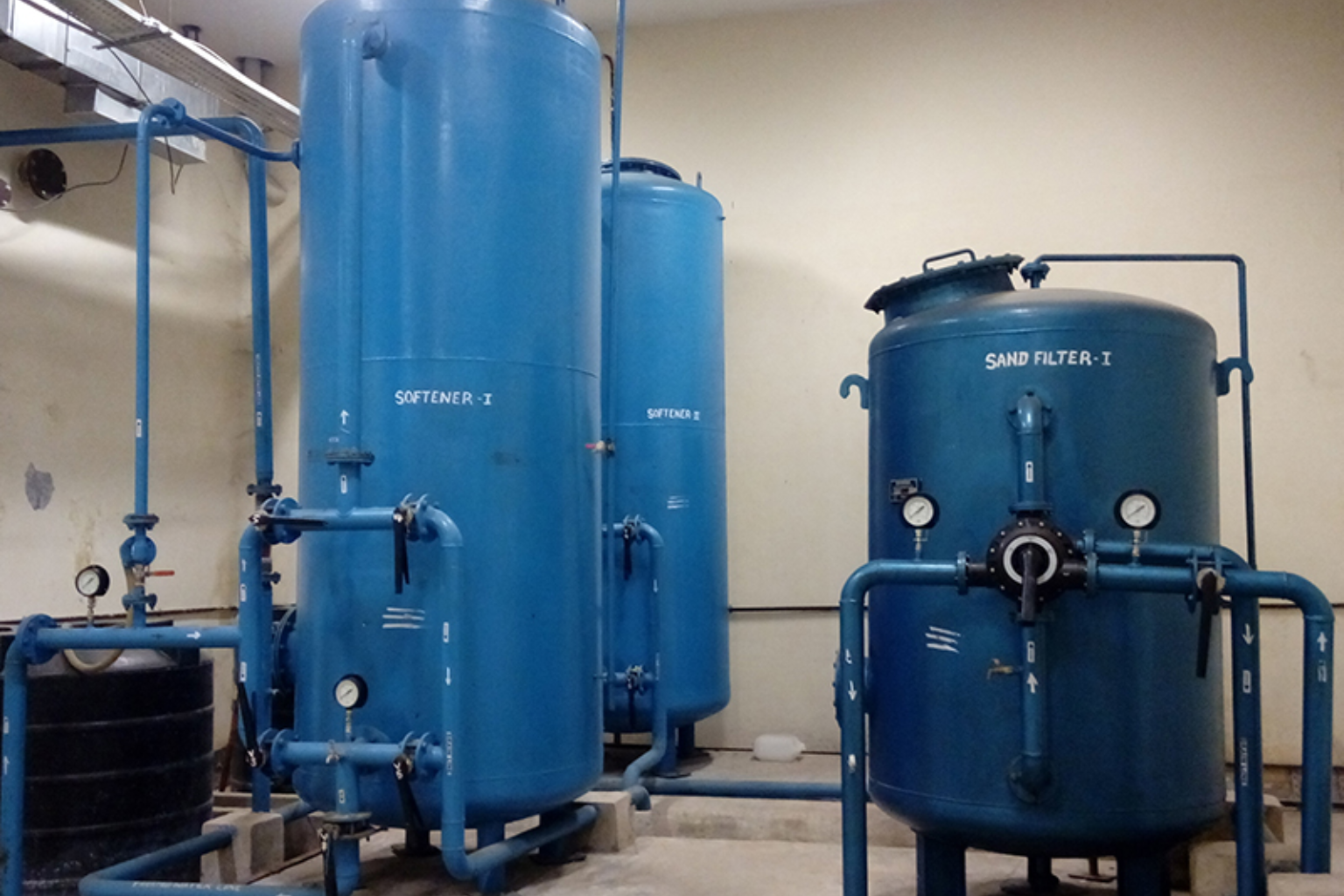
    Businesses often invest in filtration systems, softeners, or specialized treatment equipment to keep water at optimal standards. But installation is only the beginning. Without a clear plan for upkeep, even the best systems lose efficiency over time.

    Why One-Size-Fits-All Doesn’t Work

    Every business has unique demands. A bakery doesn’t use water the same way a car wash does. A multi-story office tower faces different pressure challenges than a single storefront. Even two restaurants on the same block might require different filtration setups based on menu and equipment.

    That’s where tailored service plans come into play. Instead of generic maintenance schedules, customized plans account for usage volume, system type, and industry requirements. They consider peak hours, local water conditions, and regulatory standards.

    It’s not about overcomplicating things. It’s about aligning care with reality.

    A tailored approach ensures you’re not under-servicing critical equipment — or overpaying for unnecessary checkups.

    Efficiency Isn’t Just About Speed

    In business, efficiency often gets equated with speed. Faster service. Faster production. Faster turnover. But water systems remind us that efficiency is also about consistency and reliability.

    When treatment equipment runs smoothly, appliances operate at optimal performance. Mineral buildup doesn’t choke heating elements. Filters don’t clog unexpectedly. Pumps maintain stable pressure.

    These are efficient solutions in the truest sense — reducing waste, minimizing downtime, and extending equipment lifespan. They don’t create headlines, but they quietly improve margins.

    Energy savings often follow. When water heaters aren’t fighting scale, they consume less power. When filtration systems aren’t overburdened, they last longer. The ripple effects are subtle but measurable.

    Avoiding Costly Interruptions

    The biggest financial risk isn’t routine maintenance — it’s neglect.

    A failed water heater in a busy hotel can disrupt dozens of guests. A clogged filtration system in a medical clinic might force rescheduling appointments. A manufacturing line halted by water quality issues can cost thousands in lost productivity.

    Preventative maintenance shifts the equation. Instead of reacting to emergencies, you’re proactively monitoring performance. Small adjustments prevent large breakdowns.

    And let’s be honest: there’s something deeply reassuring about knowing someone is watching the systems that keep your business running.

    The Compliance Factor

    In certain industries, water quality isn’t just a preference — it’s regulated. Healthcare facilities, food production plants, and laboratories must meet strict standards. Failing to maintain proper water treatment can lead to inspections, fines, or worse.

    Consistent business water care helps ensure compliance isn’t an afterthought. Regular testing, documentation, and system checks demonstrate responsibility and professionalism.

    It also protects your brand. Customers and clients rarely notice good water quality. But they absolutely notice when something feels off.

    Building Water Care Into Your Culture

    The most successful businesses treat water management as part of their operational DNA. It’s not an occasional fix; it’s integrated into routine checklists and service agreements.

    Assigning responsibility — whether internal or through a trusted provider — ensures accountability. Scheduling maintenance during off-peak hours minimizes disruption. Keeping records helps track system performance over time.

    When water care becomes habitual, it fades into the background where it belongs.

    The Long-Term Perspective

    It’s tempting to view maintenance contracts as another expense line. But in reality, they’re a form of insurance.

    Well-maintained systems last longer. Equipment replacement cycles stretch further apart. Emergency repair bills shrink. Even customer satisfaction improves when facilities function smoothly.

    The long-term perspective reframes water management from a cost to an investment.

    And investments, when managed wisely, yield returns.

    A Final Thought on Reliability

    Water is easy to overlook because it’s constant. But that constancy is fragile without attention.

    For businesses, the stakes are higher than for households. Water quality influences operations, compliance, customer experience, and reputation. It supports processes that generate revenue. It safeguards environments where people work and interact.

    By embracing proactive care, customized planning, and consistent oversight, you create stability. Not dramatic transformation — just dependable flow.

    And sometimes, dependable flow is exactly what keeps everything else moving forward.