Blog

  • Finding Your Balance: How Much Water You Really Need Each Day

    Finding Your Balance: How Much Water You Really Need Each Day

    There’s something oddly comforting about a cold glass of water — simple, familiar, and somehow grounding. Yet for something so basic, there’s a surprising amount of confusion surrounding how much of it we actually need. You’ve probably heard the classic “eight glasses a day” rule. Maybe you’ve seen fitness influencers carrying gallon-sized bottles around like trophies. But is there really a one-size-fits-all answer? Especially in a place like Canada, where temperatures swing from bone-dry winters to humid summers, hydration feels like more of an art than a science.


    Why Water Matters More Than You Think

    You can skip a meal or two and survive just fine, but skip water and your body starts to complain almost immediately. Fatigue, headaches, dry skin, fuzzy focus — it’s all your body’s way of saying, “Hey, I’m thirsty.” Water isn’t just a thirst quencher. It regulates your temperature, helps digest food, keeps your joints lubricated, and even supports mental clarity.

    Still, knowing why water matters doesn’t make it easier to figure out how much you actually need. The truth? It depends.


    The Canadian Context: Climate, Lifestyle, and Hydration

    If you live in a Canadian city, your daily hydration needs can vary wildly depending on the season. In winter, the air indoors gets desert-dry thanks to heating systems. In summer, humidity and sweat push your body to lose fluids faster than you realize. Add in things like exercise, caffeine, or alcohol, and the puzzle gets even trickier.

    So, how much water should you drink a day canada isn’t as straightforward as a single number. But Health Canada generally suggests around 2.7 litres per day for women and 3.7 litres for men — and that includes all fluids, not just plain water. Coffee, tea, fruits, soups, and even that juicy slice of watermelon count toward your total.

    Of course, that’s an average, not a commandment. You might need less on a quiet office day, more after a long workout, or during a July heatwave in Toronto. The goal isn’t to chase a number but to stay in tune with your body’s cues — thirst, urine colour, and energy levels often tell you more than any chart can.


    The One-Litre Myth

    Some people proudly say they drink just a litre of water a day, convinced that’s enough. And for a few, it might be — especially if they’re sedentary and eating water-rich foods. But for most adults, especially in a moderate to active lifestyle, is 1l of water a day enough? Probably not.

    Think of it this way: your body loses water constantly — through breathing, sweating, and even sleeping. By the time you’ve had your morning coffee, checked your email, and walked to the bus stop, you’ve already lost a decent amount. A single litre (roughly four cups) often won’t cover those basic losses, let alone what you need for proper function.

    That said, you don’t have to drown yourself in water either. Overhydration is rare, but it can happen. The trick is balance — drinking regularly throughout the day rather than chugging litres at once. Your kidneys, heart, and brain prefer consistency over floods.


    Listening to Your Body’s Subtle Signals

    Our bodies are incredible at hinting when something’s off. Dry lips, dull headaches, sluggish thinking, or even bad breath can be early warning signs of dehydration. But here’s the thing — thirst isn’t always a perfect indicator. Sometimes, especially as we age, we don’t feel thirsty even when we’re mildly dehydrated.

    That’s why routine matters. It’s not just how much water you drink — it’s how often should i drink water that keeps your system running smoothly. The best approach is to sip throughout the day, not wait until your throat feels parched. Keep a bottle nearby while you work, take small sips before meals, and hydrate before and after exercise.

    Your environment plays a role too. Flying on a plane? The air is drier than most deserts — you’ll need extra water. Spending hours on screens or in air-conditioned rooms? The moisture evaporates from your body faster than you think.


    Beyond the Glass: Foods That Hydrate

    Here’s something most people overlook — you don’t need to rely solely on plain water. Nature’s got your back. Cucumbers, oranges, strawberries, tomatoes, and even yogurt are quietly hydrating heroes. About 20% of our daily water intake comes from food. That means a salad packed with leafy greens, fruit, and veggies can contribute more than you realize.

    Soups and smoothies count too. So, if you’re not someone who loves gulping down water all day, sneak it in creatively. Herbal teas, sparkling water with lemon, or even coconut water can add variety without compromising hydration.


    The Signs You’re Doing It Right

    You know you’re well-hydrated when your urine is light yellow, your skin feels supple, and your energy stays consistent throughout the day. You shouldn’t feel bloated or waterlogged — just balanced.

    If you’re relying on caffeine or alcohol, though, remember they can tip the balance the other way. Both act as mild diuretics, meaning they encourage your body to lose fluids faster. Pair every cup of coffee or glass of wine with a glass of water — it’s a small habit that makes a big difference.


    Hydration for the Modern Lifestyle

    Between remote work, air-conditioned offices, and endless coffee breaks, many Canadians unintentionally dehydrate themselves daily. You might think, “I’m not sweating, so I’m fine,” but dehydration doesn’t always announce itself loudly.

    Try setting gentle reminders — not alarms, just nudges. A sticky note on your laptop, a water bottle that tracks your intake, or even refilling your mug every couple of hours helps make hydration second nature.

    And yes, sparkling water counts. So does tea (unless you’re chugging super strong black tea all day). The key is variety — it keeps you consistent.


    The Real Answer: It Depends, and That’s Okay

    Hydration isn’t a contest or a formula. It’s more like a rhythm — unique to you, changing with your routine, weather, and health. The idea isn’t to overthink it but to stay aware.

    Your body’s smarter than most hydration apps. If you’re eating well, paying attention to how you feel, and drinking steadily through the day, you’re probably already doing a great job.


    A Thoughtful Takeaway

    Water isn’t just a number on a health checklist; it’s a quiet form of self-care. It clears your mind, cushions your body, and keeps everything humming in the background. Whether it’s a tall glass after a morning run, a refill between emails, or that refreshing sip before bed — it’s these small, consistent moments that keep you feeling your best.

  • Turning Your Tap Water Into a Wellness Boost — The Real Way to Make Alkaline Water at Home

    Turning Your Tap Water Into a Wellness Boost — The Real Way to Make Alkaline Water at Home

    You’ve probably heard someone mention “alkaline water” at least once in the past few years. Maybe it was at a gym, a health food store, or that one friend who’s always trying the newest wellness trend. And while some of those fads come and go, the idea of balancing your body’s pH through hydration has stuck around. But do you really need to spend money on fancy bottles labeled “ionized” or “electrolyte-enhanced”? Honestly, not necessarily. You can make alkaline water at home — and it’s a lot simpler than most think.


    The Hype Around Alkaline Water

    Let’s get this out of the way first — alkaline water isn’t magic. It’s not going to turn you into a superhero or cure every ache. But it can help balance the acidity in your body, especially if your diet leans heavily toward processed foods, caffeine, or sugar — all of which tend to increase acidity. The general idea is that by drinking water with a higher pH level (typically 8 or 9 instead of neutral 7), you might help neutralize some of that acid buildup.

    Some people swear it helps with digestion, energy levels, even clearer skin. Others say it’s just water with a little extra science sprinkled in. The truth is somewhere in between: it’s not a miracle cure, but it’s also not snake oil. Like most wellness habits, consistency is where it counts.


    So, What Does “Alkaline” Really Mean?

    The word “alkaline” refers to the pH level — a scale that measures how acidic or basic a substance is, from 0 (highly acidic) to 14 (highly alkaline). Regular tap water sits around 7, which is neutral. When you raise that number, even slightly, the water becomes alkaline. The most popular way people do that? You guessed it — baking soda.

    Yes, the same stuff sitting quietly in your kitchen cabinet can transform your water into something that feels a bit cleaner, smoother, and lighter to drink. The reason? Baking soda (sodium bicarbonate) has a naturally high pH, making it one of the easiest, cheapest methods available.


    The Easy Way: Baking Soda and Water

    Now, if you’re wondering how to make alkaline water, here’s the most straightforward approach. Take one glass of purified or filtered water — ideally, something that doesn’t already have a strong mineral taste. Add just a pinch of baking soda. Stir until it’s fully dissolved, and that’s it. You’ve now created basic (pun intended) alkaline water.

    If you want to be precise, you can use about ¼ teaspoon per liter of water. That amount can raise the pH significantly without turning your drink into something that tastes like seawater. This small addition can make your hydration more balanced and potentially more beneficial after a heavy workout or an acidic meal.


    Understanding the Right Ratios

    One common mistake people make is overdoing it. Adding too much baking soda won’t make the water “healthier” — it’ll just make it undrinkable and possibly hard on your stomach. It’s always smart to know how much baking soda to alkalize water, and the right ratio is small. Think moderation. Around 1/8 to 1/4 teaspoon per liter (roughly 4 cups) is enough. More than that, and you risk upsetting your natural body balance or increasing sodium intake unnecessarily.

    If you’re doing this daily, balance is the keyword. Rotate with plain water, or mix in a squeeze of lemon occasionally. Ironically, lemons taste acidic but become alkaline in the body once metabolized — a little trick nature plays on us.


    The Natural Option: Lemon or Lime

    If you’re not keen on using baking soda every day, lemon or lime can be your next best bet. When you add a slice or two to water and let it sit, it slightly changes the chemistry, promoting alkalinity once digested. Plus, it tastes great and feels more like a spa ritual than a kitchen experiment.

    Some even combine lemon with a bit of Himalayan pink salt — which adds trace minerals and a pleasant tang. This mix, often called “sole water,” has become a popular morning drink among wellness enthusiasts who prefer natural tweaks over supplements.


    A Deeper Look: Why Balance Matters

    Our bodies are designed to keep a delicate internal pH balance. The lungs, kidneys, and digestive system work constantly to make sure we don’t stray too far from a healthy range. However, modern diets full of processed foods, alcohol, and stress can throw things off slightly. Alkaline water acts as a gentle nudge in the right direction — not a drastic fix.

    It’s like how stretching won’t fix all your posture problems overnight, but doing it regularly helps your body align itself. That’s the kind of effect alkaline water has — subtle, supportive, and worth trying if you’re looking to fine-tune your wellness routine.


    When to Drink It

    Morning is the best time. After hours of sleep, your body is dehydrated and slightly more acidic. Starting the day with a glass of alkaline water can help restore equilibrium and wake up your metabolism. Some also prefer drinking it before or after workouts, to support hydration and neutralize lactic acid buildup.

    But don’t obsess over timing too much. If you’re drinking enough water throughout the day — alkaline or not — you’re already doing better than most people who barely sip two glasses a day.


    Are There Any Downsides?

    In moderation, none. But if you go overboard — say, drinking several liters of highly alkaline water daily — your stomach might become too neutralized, making digestion sluggish. Remember, you need some acidity for food breakdown and nutrient absorption. Think of it as seasoning your food — a pinch enhances flavor, but too much ruins the dish.

    If you have kidney issues or are on a low-sodium diet, consult a doctor before adding baking soda regularly. It’s always best to make small adjustments and see how your body reacts rather than diving all in.


    Other Ways to Alkalize Water

    If you’d rather not tinker with ingredients, there are other ways to raise pH levels naturally:

    • Mineral drops: These are concentrated trace minerals you can add directly to water.
    • pH pitchers or filters: Some water filters are designed to alkalize while purifying.
    • Alkaline water machines: Pricey, but they use electrolysis to separate acidic and alkaline components of water.

    For most people, though, the DIY route with baking soda or lemon works perfectly fine — and costs next to nothing.


    The Bottom Line

    You don’t need a lab or a luxury machine to bring balance to your daily hydration. A glass, a pinch, and a stir — that’s really all it takes to start exploring the benefits of alkaline water. The difference isn’t always dramatic, but over time, many people notice subtle improvements in energy, digestion, and general wellbeing.

  • When Water Has a Personality: Understanding Hard Water in California

    When Water Has a Personality: Understanding Hard Water in California

    There’s something oddly personal about water. It’s invisible, familiar, and taken for granted — until it starts misbehaving. Maybe your shower glass is always spotted, no matter how much you clean. Maybe your shampoo doesn’t lather right, your dishes come out cloudy, or your skin feels tight after washing your hands. It’s not in your head. Your water might just be a little… difficult.

    That’s the thing about hard water — it’s sneaky. You don’t notice it at first, but once you do, it’s everywhere. And if you live in California, chances are, you’re already living with it.


    The Quiet Reality of California’s Hard Water

    It’s easy to forget that water is a traveler. Every drop that lands in your sink or shower has a backstory — a long journey through soil, rock, and riverbeds before winding up in your pipes. Along the way, it collects minerals like calcium and magnesium, which give water its “hardness.”

    California’s geography makes it a perfect playground for this mineral buildup. With its mix of coastal plains, desert basins, and mountain aquifers, the water picks up all kinds of natural material before it ever hits your faucet. That’s why your friend in San Francisco might swear their water feels fine, while someone in Bakersfield is practically scrubbing limestone off their shower tiles.

    If you’ve ever looked at a hard water map california, you’ll see a patchwork of mineral intensity — from mildly hard coastal areas to extremely hard inland regions. Southern California, especially, tends to draw water from the Colorado River and local groundwater sources, both rich in dissolved minerals. It’s not “bad” water. It’s just got a strong personality.


    So What Exactly Is Hard Water?

    Hard water isn’t dirty or unsafe — far from it. Those minerals it carries are natural and, in small amounts, even healthy. The trouble starts when those minerals build up. When hard water evaporates (like when you shower or run your dishwasher), it leaves behind a residue called scale.

    That scale doesn’t just sit there looking ugly — it slowly clogs showerheads, coats pipes, and shortens the lifespan of appliances like water heaters. It’s like cholesterol for your plumbing.

    And you’ll feel it too. Hair becomes limp, skin dries out faster, soap feels like it never fully rinses off. It’s subtle, but after a while, it can drive you nuts.


    How to Tell If You Have Hard Water

    Here’s the funny part — most people don’t know they have hard water until someone points it out. The signs are all there, though. If you’ve ever felt that sticky film on your hands after washing them, that’s one clue. So is that dull, chalky look your black t-shirt gets after a few washes.

    If you’re wondering how to identify hard water, start with your senses. Does your water taste metallic or slightly bitter? Are your glasses cloudy no matter how often you run the dishwasher? Does your showerhead have that crusty white ring around it? Those are telltale signs.

    You can also try a simple soap test: fill a clear bottle halfway with tap water, add a few drops of liquid soap (not detergent), and shake. If it forms a bubbly lather that lasts, your water’s probably soft. If the bubbles die fast and you’re left with cloudy water — congratulations, you’ve got hard water.

    Of course, if you want real numbers, you can buy a test kit or call your local water department. Most cities publish water quality reports showing hardness levels in parts per million (ppm). Anything over 180 ppm is considered “very hard.” Some areas in California test above 300 ppm.


    Why California Has It Tough

    Living in a state with so many different terrains means that water isn’t one-size-fits-all. Northern California, with its rainfall and reservoirs, tends to have softer water compared to the arid south. Down here, imported water travels hundreds of miles through mineral-rich channels before ever reaching a tap.

    This creates a unique challenge for homeowners. Even if you move just a few miles away, your water quality can change completely. Cities like San Diego and Riverside deal with notoriously hard water, while places closer to the coast might have moderate levels.

    That’s why “California water” is such a broad phrase — it’s more like a dozen different water systems stitched together across the state.


    Testing and Understanding Your Water

    If you’re curious about how to know if water is hard, there’s no need for fancy lab work. Testing kits are cheap and widely available online. They measure hardness by detecting calcium and magnesium levels in your tap water.

    Once you know your number, you’ll have context for all those annoyances you’ve been noticing — the endless scrubbing, the stiff laundry, the frizzy hair. Most people are surprised to learn how much their water influences daily life.

    Knowing your hardness level also helps when choosing filters or softeners. There’s no one-size-fits-all solution; what works for someone in Anaheim might not work for someone in Sacramento.


    Can You Fix It?

    Technically, yes. You can “soften” water by removing or neutralizing the minerals that cause hardness. The most common solution is a whole-home water softener, which uses a process called ion exchange to replace calcium and magnesium with sodium or potassium.

    There are also salt-free alternatives that condition rather than replace minerals — ideal for people trying to avoid added sodium. And for renters or apartment dwellers, shower filters and small under-sink systems can make a noticeable difference too.

    It’s not about chasing perfection; it’s about balance. You’re not trying to erase the water’s character, just make it a little more cooperative.


    The Ripple Effect: Beyond the Faucet

    When you soften or filter your water, the benefits ripple outward. Soap lathers better, meaning you use less. Appliances run more efficiently. Clothes stay brighter. Your hair and skin feel cleaner without the dry residue.

    But perhaps the biggest change is psychological. There’s something deeply satisfying about having water that behaves — water that rinses clean, that doesn’t fight back. It’s one of those invisible luxuries that quietly improves your day.

    And for Californians, who already deal with droughts, conservation laws, and rising costs, having control over water quality feels like winning a small, private victory.


    Final Thoughts: The Personality of Water

    Every place has its quirks, and water is just one of California’s. It’s not perfect, but it’s part of the landscape — the same way we tolerate the traffic or celebrate the sunshine.

  • 5 Reasons You Should Buy NSE Unlisted Shares

    5 Reasons You Should Buy NSE Unlisted Shares

    The National Stock Exchange of India (NSE) stands as a titan in the global financial landscape, with an average of over Rs 1,12,000 crores (USD 13.4 billion) worth of equity value traded daily. NSE’s offerings extend far beyond equities, encompassing ETFs, mutual funds, SLBs, sovereign gold bonds, SME listings, and more. Renowned for its world-leading derivatives market, NSE is the largest exchange globally for futures and options traded. The NSE Nifty 50 has evolved into a benchmark index, representing the strength and dynamism of the Indian capital market to the international business community.

    1.Strong Financial Performance

    For FY 2023-24, NSE reported consolidated net profit of Rs 8,306 crores, up 51% year on year; consolidated revenue stood at Rs 16,352 crores, up 28%. The consolidated total income rose 17% to Rs 19,177 crores and net profit surged 47% to Rs 12,188 crores.

    High profitability and consistent top-line growth indicate that NSE’s business model is robust and well-positioned for continued expansion.

    2.High Margin and Operational Efficiency

    NSE Group’s total revenue in the quarter ending June ’24 increased by 47% from INR 3,357 crores to INR 4,950 crores. This significant rise showcases NSE’s ability to generate continuous growth in operations.The operating revenue was 91% of the total revenue.

    High operational efficiency and scalability mean additional trading volumes translate directly into higher profits, creating long-term compounding potential.

    3.Competitive Moat And Market Infrastructure

    NSE is India’s leading exchange with deep regulatory and technological moats, making entry difficult for competitors. It is ranked among the world’s largest derivatives exchanges by number of contracts.Such dominant infrastructure businesses generate predictable cash flows and have lower disruption risk, ideal for conservative long-term investors.

    4.Growth Tailwinds

    In Q1 FY25, NSE’s operating revenue grew 51% year on year to Rs 4,510 crores.India’s retail investor base and market participation continue to rise sharply, fueling higher trading and clearing volumes.NSE benefits directly from India’s financialization trend and growing capital market participation, creating long-term structural growth.

    5.Attractive Pre-IPO and Value Unlock Opportunity

    NSE shares are currently available only in the unlisted market, often at valuations below what public markets may assign post-listing.A future IPO could result in significant valuation re-rating as institutional and retail investors gain access.Buying unlisted shares allows early investors to capture upside from both earnings growth and potential listing premium.

  • Understanding the Flow: A Homeowner’s Guide to Water Softener Diagrams

    Understanding the Flow: A Homeowner’s Guide to Water Softener Diagrams

    There’s something oddly satisfying about understanding how things work — especially when it’s something that quietly keeps your home running smoothly. A water softener is one of those unsung heroes, protecting your pipes, appliances, and even your skin from the harsh effects of hard water. But if you’ve ever peeked behind the system, those pipes and valves can look more like a maze than a mechanism. That’s where a water softener piping diagram comes in handy — a simple visual that helps demystify the way your softener connects to your home’s plumbing system.

    Why Understanding Your Water Softener Layout Matters

    Most homeowners don’t think about their water softener until it stops working. You might notice soap not lathering, dishes looking cloudy, or that annoying white residue returning on your taps and tiles. Often, these symptoms trace back to a small issue in the plumbing setup — maybe a misrouted drain, a clogged line, or a bypass valve that’s accidentally open. Understanding the basic layout of your system helps you spot problems early, talk knowledgeably to a technician, or even perform small fixes yourself.

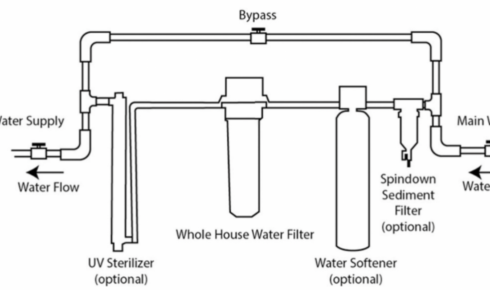
    Think of the plumbing diagram as a roadmap. It shows how hard water enters the system, passes through the resin tank where ions are exchanged, and exits as soft water into your home’s supply. It also outlines where brine, waste, and bypass lines connect — tiny details that make a big difference in how efficiently your system works.

    Breaking Down the Basic Water Softener Setup

    At its core, a water softener system has three main components:

    1. The resin tank, where ion exchange happens — this is where calcium and magnesium ions (the culprits behind hardness) are swapped out for sodium or potassium ions.
    2. The brine tank, which stores the salt solution used to recharge the resin.
    3. The control valve, the brain of the system, directing water flow during softening and regeneration cycles.

    Between these, you’ll find a network of pipes connecting to your main water line and drain. A good water softener plumbing diagram helps visualize this relationship. It’s not just a sketch; it’s a functional map that explains which direction water flows, how pressure is maintained, and where maintenance points are located.

    The Role of Bypass Valves and Shutoffs

    If you’ve ever needed to service or replace your softener, you know how critical the bypass valve is. It lets water flow through your home even when the softener is offline. A bypass valve is typically marked on diagrams with a simple loop or valve symbol — something you’ll appreciate when troubleshooting or performing a salt clean.

    Adding shutoff valves on both sides of the system is another best practice shown in diagrams. This lets you isolate the softener without cutting water to the entire house. It’s one of those small details that saves time and frustration later.

    Getting to Know the Drain Line

    One of the most overlooked — but crucial — parts of your system is the drain connection. Every regeneration cycle flushes minerals out of the resin bed, sending wastewater through a drain line. And that’s where a water softener drain diagram becomes essential. It shows where the line runs, the air gap location (to prevent backflow), and how far it needs to be from the floor drain.

    If your drain is installed incorrectly, your system could back-siphon contaminated water — or worse, flood your utility room. The diagram helps ensure proper slope, connection type, and distance from the softener, keeping everything safe and up to code.

    Installation Insights You Shouldn’t Ignore

    Whether you’re installing a new softener or replacing an old one, the diagram serves as a visual checklist. It helps verify that:

    • The incoming water supply connects before the heater.
    • The outlet leads to your home’s cold water line.
    • The brine line is secure and airtight.
    • The drain connection maintains the required air gap.

    Following these details prevents leaks, pressure issues, and premature equipment wear. Even professional installers refer to these diagrams — they act like a blueprint for doing things right the first time.

    DIY Troubleshooting Made Simpler

    Let’s say you wake up one morning and notice your water suddenly feels hard again. Maybe it’s a salt bridge, maybe a resin clog — or maybe a misaligned connection. With your diagram on hand, tracing the issue becomes ten times easier. You’ll understand which valve to check, which hose to inspect, and where to test for flow interruptions.

    Having that visual reference gives you confidence. It’s like having a guidebook written in the language of plumbing, one that turns what could be a confusing tangle of pipes into a clear, logical setup.

    The Comfort of Knowing How It All Works

    Most people don’t need to become water softener experts. But a little knowledge goes a long way. Understanding your water softener piping diagram isn’t about memorizing every line — it’s about grasping how each part supports the next. That understanding helps you maintain your system better, save money on service calls, and extend the life of your unit.

    And when you finally see how water enters, softens, drains, and cycles back — it’s kind of satisfying. You realize that something so everyday as turning on the tap involves a smart, quiet process behind the scenes, one that’s keeping your home healthier and your appliances happier.

    Wrapping It Up

    If you’ve never looked at your system’s schematic before, now’s a good time. Whether it’s a printed guide from your manufacturer or a sketch made during installation, keep it handy. It’s your quick reference when things get confusing — a visual translation of how your home stays free of scale and mineral buildup.

    Next time your softener regenerates at midnight and you hear that quiet whirring sound, you’ll know exactly what’s happening. Water’s flowing, ions are trading places, and your household is getting that silky, soft water you’ve come to love — all thanks to a little setup you can now actually understand.

    Because sometimes, the beauty of modern comfort isn’t just in the result — it’s in understanding the simple, brilliant design that makes it all work.

  • Turning Heads on the Road: The Art and Impact of Vehicle Wraps

    Turning Heads on the Road: The Art and Impact of Vehicle Wraps

    There’s something oddly satisfying about watching a plain white truck transform into a mobile work of art. Maybe it’s the way the color glides over the surface, or how a logo suddenly gives personality to an otherwise unremarkable ride. Whatever it is, wraps truck jobs have become one of the most creative intersections of design, branding, and everyday motion. Whether you’re a small business owner, a marketing manager, or just someone who loves customizing their ride, vehicle wraps are changing the way people think about advertising — and self-expression — on the move.


    When Your Vehicle Becomes Your Billboard

    Imagine driving through town, your business name catching glances at every stoplight, your phone number readable from the next lane, and your colors instantly recognizable. That’s not luck — that’s smart marketing. Truck wraps (and car wraps too) are the billboards that never stay in one place. They move, they’re noticed, and they make impressions without a monthly ad fee.

    Most brands don’t realize how powerful this can be. A single wrapped truck can generate thousands of impressions a day — that’s real visibility. Even parked, it’s still working for you. And unlike traditional ads that disappear after a campaign ends, your wrap keeps speaking for your brand 24/7, year after year.


    The Design is Where the Magic Happens

    A good wrap doesn’t just slap on a logo and call it a day. It’s storytelling in motion. From vibrant gradients to minimalist line art, wraps can match your brand’s tone — fun, bold, classy, or understated. Designers study the curves of your truck, ensuring your message flows seamlessly across panels and contours.

    Even subtle details matter: font choice, negative space, the contrast between colors, and how your message looks from a passing car at 40 mph. Some of the best designs are deceptively simple — clean layouts that say “we’re confident and professional” without shouting.


    Who to Trust With the Job

    Finding someone to handle the design and application isn’t just a quick Google search kind of thing. You’ll want someone skilled — not just in design but in precision installation. If you’ve ever searched for who does wraps near me, you know how many options pop up. But not all are created equal.

    A seasoned wrap shop knows the difference between high-performance and economy vinyl. They’ll walk you through finishes — matte, gloss, satin, metallic — and help you visualize how it’ll actually look in daylight. They’ll measure twice (literally), align graphics perfectly, and ensure there aren’t bubbles, wrinkles, or misaligned seams. Because when your truck represents your brand, it can’t afford to look half-done.


    The Unsung Heroes Behind the Scenes

    Every stunning wrap has someone behind it who’s obsessed with perfection. The vehicle graphics installer is part artist, part technician, and part magician. These pros work with heat guns, squeegees, and a perfectionist’s patience, ensuring every curve, corner, and rivet is wrapped just right.

    It’s meticulous work. They understand how vinyl behaves — how it stretches, shrinks, and conforms. Good installers make sure your wrap doesn’t peel off in a few months or fade unevenly. Many of them are certified, with experience wrapping fleets, exotic cars, or even planes. Their skill turns your digital design into something tangible, sleek, and street-ready.


    Durability That Pays Off

    A lot of people assume wraps are fragile, but that’s far from true. With proper installation and care, they can last up to seven years — sometimes longer. The key is using quality materials like 3M or Avery Dennison vinyl and keeping your vehicle clean. Avoid harsh chemicals or automatic car washes with stiff brushes, and your wrap will stay vivid and strong for years.

    What’s even better? A wrap actually protects your original paint from sun damage and scratches. When it’s time to remove it, the surface underneath often looks as good as new. So in a way, wraps are like a protective skin with a marketing bonus.


    The Creative Edge for Businesses

    Small businesses especially benefit from wraps. Think about it — you already own the vehicle, you already drive it daily, so why not turn it into an advertisement? Whether you run a plumbing company, food truck, delivery service, or cleaning business, a wrapped truck projects credibility. People tend to trust brands they see regularly, and nothing says “established and reliable” like a professionally wrapped fleet.

    It’s also cost-effective. Instead of paying monthly ad fees, a one-time wrap investment keeps paying back for years. That’s ROI you can literally drive.


    Not Just for Businesses

    It’s not all about branding. Many car enthusiasts use wraps to personalize their vehicles — chrome deletes, color flips, racing stripes, or full matte transformations. It’s an easy way to change your car’s look without committing to paint. Plus, wraps can be removed when you’re ready for a new vibe.

    Some even use wraps for seasonal promotions, special events, or limited-time designs. The flexibility makes it perfect for creative experimentation — like putting your art, photography, or social cause right on your ride.


    A Few Things to Keep in Mind

    Before wrapping, your truck should be clean and in good condition. Rust or peeling paint can cause adhesion issues. Always check your installer’s portfolio, read reviews, and ask what materials they use. Don’t rush the process — quality takes time.

    Also, remember that weather affects installation. Most pros prefer moderate temperatures to ensure proper adhesion. A reputable shop will handle your vehicle with care and won’t rush just to clear the next job.


    Wrapping It Up (Pun Intended)

    A well-done wrap is more than a design choice — it’s a statement. It tells people who you are before you even step out of your truck. It’s motion, identity, and art all in one.

    Whether you’re branding your fleet or just giving your vehicle a personal edge, wrapping is an investment that stands out — literally and figuratively. From small-town businesses to national brands, everyone’s realizing that the road is the biggest billboard of all.

    So, the next time you see a beautifully wrapped truck glide past, take a closer look. Someone poured hours of design, precision, and care into that masterpiece on wheels — and it’s working harder than most ads ever will.

  • Looking to Boost Local Rankings? Our SEO Services in Nottingham Help Small Businesses Rise Through the Search Results and Get Found by More Customers

    Looking to Boost Local Rankings? Our SEO Services in Nottingham Help Small Businesses Rise Through the Search Results and Get Found by More Customers

    If you’ve been wondering why your competitors in Nottingham seem to appear everywhere online while your business barely shows up on Google, you’re not alone. Local visibility can make or break a business, and that’s exactly where we at PeakDistrictSEO come in. We specialise in helping small businesses improve their search visibility and attract more local customers — without the jargon, guesswork, or wasted budget.

    Our approach is simple yet powerful: Looking to boost local rankings? Our SEO services in Nottingham help small businesses rise through the search results and get found by more customers. Whether you run a café in the city centre, a plumbing service in Beeston, or a boutique in West Bridgford, we have a tailored solution that fits your goals.


    Why Local SEO Matters More Than Ever

    The way people search has changed. Instead of typing “restaurants” or “hair salons,” users now search for “best restaurants near me” or “hair salon Nottingham.” That small change in behaviour has made local SEO Nottingham one of the most crucial marketing investments for small businesses.

    When your customers are nearby, every click counts. Appearing at the top of Google’s local search results can mean the difference between a phone that keeps ringing and one that stays silent. With our dedicated SEO Nottingham services, we ensure your business is in front of the right people at the right time — when they’re actively searching for your product or service.


    What Makes PeakDistrictSEO Different

    At PeakDistrictSEO, we’re not just another SEO agency throwing around buzzwords. We take a genuine interest in your business, your audience, and your growth potential. Our experienced team combines technical expertise with local insight to deliver results that are both measurable and sustainable.

    Here’s what sets our SEO services in Nottingham apart:

    • Tailored local strategies: We don’t use cookie-cutter plans. Every campaign is custom-built based on your goals and competition.
    • Data-driven results: We focus on what actually moves the needle — organic traffic, leads, and conversions.
    • Transparent communication: You’ll always know where your money is going and what impact it’s having.
    • Long-term focus: We prioritise steady, lasting growth rather than short-term spikes that vanish overnight.

    With years of experience in SEO Nottingham, we understand what it takes to outrank your local competitors — and we’ve helped countless small businesses across the Midlands achieve exactly that.


    Our Complete SEO Nottingham Services

    We provide a full suite of SEO services in Nottingham designed to help your business grow, no matter what stage you’re at. From the technical foundation to the creative elements, every part of our process is built around improving your online visibility and authority.

    1. Local SEO Optimisation

    We optimise your Google Business Profile, build local citations, and ensure your name, address, and phone number are consistent across all directories. This helps you appear in the local “map pack” — one of the most valuable spots on Google.

    2. Keyword Research & On-Page SEO

    We identify high-performing keywords like “SEO services in Nottingham,” “Nottingham digital marketing,” and “local SEO services near me” to ensure your content aligns with what potential customers are actually searching for. Our copywriters then optimise your web pages for both users and search engines.

    3. Technical SEO

    From website speed improvements to mobile optimisation, our technical experts make sure your site performs flawlessly. A fast, user-friendly website not only boosts rankings but also keeps visitors engaged.

    4. Content Creation & Blogging

    Great content builds trust and authority. We produce engaging, SEO-optimised blogs, guides, and service pages that answer real customer questions and position your business as the local expert.

    5. Link Building & Outreach

    We use ethical, high-quality link-building strategies to boost your website’s authority. Our outreach campaigns focus on Nottingham-based publications, directories, and industry-relevant sources — giving your brand a genuine local boost.


    Helping Nottingham’s Small Businesses Grow Online

    Small businesses are the backbone of Nottingham’s economy, and we’re proud to help them thrive online. Whether you’re a tradesperson, retailer, consultant, or start-up, our SEO services in Nottingham can help you grow visibility, build credibility, and generate more enquiries.

    Our team has worked with companies across multiple industries — from healthcare to hospitality — helping them dominate search results for local terms. We’ve seen first-hand how a well-executed SEO strategy can transform footfall, phone calls, and revenue.

    At PeakDistrictSEO, we believe that SEO shouldn’t be a mystery. It’s a practical, measurable way to get your business in front of people who are already looking for what you offer.


    The EEAT Approach: Expertise, Experience, Authoritativeness, Trustworthiness

    Google’s EEAT principles (Expertise, Experience, Authoritativeness, Trustworthiness) are the backbone of our SEO strategy. We integrate these values into every piece of content and every campaign we run.

    • Expertise: Our SEO specialists stay updated with the latest algorithm changes and best practices to deliver accurate, effective solutions.
    • Experience: With years of experience optimising Nottingham-based websites, we know what works locally — and what doesn’t.
    • Authoritativeness: We build strong backlinks, positive reviews, and thought-leadership content that establish your brand as a local authority.
    • Trustworthiness: We ensure your website is secure, transparent, and provides genuine value to users — essential for both customers and Google.

    By adhering to these standards, PeakDistrictSEO ensures that your business not only ranks higher but also builds lasting trust with both Google and potential clients.


    Why Choose PeakDistrictSEO for Your SEO Nottingham Needs?

    Choosing the right SEO partner can be daunting, but with PeakDistrictSEO, you’re in safe hands. Our results-driven approach, local expertise, and personalised service make us one of Nottingham’s most trusted SEO partners.

    We don’t just help you climb search rankings — we help you convert that visibility into real customers. When people search for services in Nottingham, we make sure your business is the one they find first.

    If you’re still asking yourself, “How do I improve my Google ranking in Nottingham?” — the answer is right here. Looking to boost local rankings? Our SEO services in Nottingham help small businesses rise through the search results and get found by more customers.


    Take the Next Step Towards Growth

    If you’re ready to grow your business and dominate your local search results, it’s time to partner with PeakDistrictSEO. We’re here to make your brand visible, credible, and discoverable.

  • The Future Of Interoperability Between Different Crypto Exchanges

    The Future Of Interoperability Between Different Crypto Exchanges

    You know that feeling when you’re playing blackjack and you’ve got a hand that’s just perfect? That’s the vibe I’m getting from the crypto world right now, especially with the exciting developments in interoperability. It’s like we’re all at a high-stakes table, and the game is just getting started. Let’s talk about crypto blackjack australia and how it fits into this grand scheme of things.

    Crypto Blackjack Australia: A New Player at the Table

    Imagine a game where every player speaks a different language, but somehow, they all understand each other. That’s the magic of interoperability in the crypto space, and Crypto Blackjack Australia is diving right into this mix. This platform is more than just a place to play blackjack with crypto; it’s a symbol of how different exchanges can communicate and interact seamlessly.

    Interoperability: The Bridge Between Crypto Exchanges

    Interoperability is the key that unlocks the door to a more connected and efficient crypto ecosystem. It’s like learning a new language to communicate with others at the table. With interoperability, different blockchains and exchanges can ‘speak’ to each other, allowing for the free flow of information and assets. This is where Crypto Blackjack Australia comes in, not just as a game but as a practical application of this concept.

    The Role of Decentralized Finance (DeFi)

    DeFi is the wild card in this game. It’s the player that can change the dynamics of the table with a single move. DeFi platforms are built on the idea of interoperability, allowing users to move their assets across different platforms with ease. Crypto Blackjack Australia is a testament to this, as it leverages DeFi to provide a seamless gaming experience with crypto.

    Cross-Chain Compatibility: The Next Frontier

    As we look to the future, cross-chain compatibility is the next big thing. It’s like learning a new language to communicate with players from different tables. With cross-chain compatibility, assets can move between different blockchains, opening up new possibilities for trading and gaming. Crypto Blackjack Australia is at the forefront of this, offering a platform that can adapt to these new technologies.

    The Impact on Users

    For users, the benefits are clear. Interoperability means more options and better control over their assets. It’s like having the perfect hand in blackjack; you’ve got all the cards you need to win. Crypto Blackjack Australia is a prime example of how users can benefit from this, as it offers a gaming experience that is not limited by the boundaries of a single exchange or blockchain.

    Challenges and Solutions

    Of course, with every new technology, there are challenges. Security and scalability are two major concerns when it comes to interoperability. But just like in blackjack, where risks are part of the game, the crypto community is finding solutions. Crypto Blackjack Australia is no exception, as it implements robust security measures and is designed to scale with the growing demand.

    The Future is Now: Embracing Interoperability

    As we embrace interoperability, the crypto landscape is changing. It’s like the game of blackjack is evolving, with new rules and strategies that keep players engaged and excited. Crypto Blackjack Australia is a part of this evolution, showcasing how different exchanges and platforms can work together for a better gaming experience.

    In Conclusion: A Winning Hand for Crypto

    Interoperability is the ace up our sleeve in the game of crypto. It’s the card that can turn the tide in our favor. With platforms like Crypto Blackjack Australia leading the way, we’re seeing a future where different exchanges and blockchains can coexist and thrive. It’s an exciting time to be at the table, and the best part is, we’re all in this game together.

  • Driving Efficiency Across Industries: The Importance of Automation System Installation in Canada

    Driving Efficiency Across Industries: The Importance of Automation System Installation in Canada

    In today’s rapidly evolving industrial environment, businesses across Canada are turning to intelligent automation to improve efficiency, accuracy, and profitability. The foundation of every successful automation project lies in a well-planned and professionally executed automation system installation. When implemented by experienced engineers, it allows organizations to integrate complex machinery, software, and data systems into a unified network that operates with speed, consistency, and minimal human intervention.

    Understand Automation System Installation in a Better Way

    Automation system installation refers to the process of setting up and configuring automated equipment, software, and control systems to work seamlessly within a production environment. This includes everything from programmable logic controllers (PLCs) and human-machine interfaces (HMIs) to SCADA systems and robotic components. The goal is to create a connected system that streamlines workflows, reduces manual errors, and enhances real-time decision-making.

    In Canada’s competitive industrial landscape, precision and reliability are non-negotiable. Proper installation ensures that automation technologies deliver maximum performance without disrupting existing operations.

    Why Canadian Industries Rely on Automation

    Industries such as manufacturing, food and beverage, healthcare, and logistics are increasingly dependent on automated solutions to meet production goals and market demand. Automation helps reduce operational costs, ensures consistency, and improves workplace safety by handling repetitive or hazardous tasks. Moreover, integrated automation systems allow companies to gather valuable data, providing insights for process optimisation and long-term strategic planning.

    ControlSoft Canada: Leaders in Smart Automation Integration

    For nearly two decades, ControlSoft Canada has been a trusted name in the field of industrial automation and integration. Since 2006, the company has partnered with businesses across Canada to design, implement, and maintain customized automation systems that meet unique operational needs and budget requirements.

    The process begins with a detailed assessment of each client’s business objectives. From there, ControlSoft Canada’s engineering team designs a tailored automation framework, ensuring compatibility with existing systems and scalability for future expansion. Every project undergoes thorough testing and staff training before deployment, guaranteeing that clients can operate their new systems confidently and efficiently.

    Expertise Rooted in Experience

    ControlSoft Canada’s engineers specialize in PLC and HMI programming, SCADA system design, and industrial software development. This depth of experience ensures flawless system configuration and seamless data flow between devices. By choosing ControlSoft Canada, clients benefit from advanced technology, continuous support, and measurable improvements in productivity.

    Their commitment doesn’t end after installation. Ongoing maintenance, technical assistance, and software updates ensure that systems continue to perform at peak efficiency, offering businesses long-term value and reliability.

    Future-Ready Industrial Automation

    Canada’s industrial sector is moving rapidly toward digital transformation, and automation system installation plays a central role in this journey. By adopting intelligent automation today, businesses prepare themselves for the demands of tomorrow, enhancing quality, safety, and sustainability.

    When expertise, experience, and innovation come together, operational excellence becomes achievable. ControlSoft Canada continues to lead this change, empowering Canadian industries with automation solutions built to last.

  • How to Order HSRP Number Plate for Old Vehicle Online – Complete Guide

    How to Order HSRP Number Plate for Old Vehicle Online – Complete Guide

    In India, the introduction of High-Security Registration Plates (HSRP) has been one of the most significant steps toward enhancing road safety and vehicle tracking. These plates are now mandatory for all vehicles, including older ones that were registered before the HSRP rule came into effect. If you own an older vehicle and haven’t yet upgraded, now is the right time to get your hsrp number plate for old vehicle. The good news is that the entire process can be completed online in just a few simple steps, ensuring convenience and compliance with government regulations.

    What is an HSRP?

    A High-Security Registration Plate is a specially designed aluminum plate that carries a unique identification number laser-etched onto it. It also includes a chromium-based hologram and a permanent snap lock system to prevent tampering. Each HSRP is linked to the vehicle’s registration details, engine number, and chassis number in a central government database, making it easy for authorities to track and verify vehicles.

    The Ministry of Road Transport and Highways (MoRTH) has made HSRP installation mandatory for all vehicles—new and old—registered in India. This initiative aims to create uniformity, prevent theft, and ensure road safety through standardized number plates.

    Why Old Vehicles Need HSRP Plates

    Owners of older vehicles often assume that HSRP rules apply only to new registrations, but that’s not true. The government has made it compulsory for all vehicles, regardless of age, to have HSRP plates. Here’s why upgrading your old vehicle’s number plate is important:

    • Legal Requirement: It’s mandatory under the Central Motor Vehicle Rules.
    • Enhanced Security: Prevents duplication or misuse of number plates.
    • Easy Tracking: Helps police and traffic authorities identify vehicles quickly.
    • Avoid Penalties: Non-compliance can lead to fines and traffic violations.
    • Modernization: Brings your older vehicle up to current safety standards.

    How to Order HSRP Number Plate Online

    Ordering an hsrp number plate order online is quick, secure, and hassle-free. The government has made the process digital to save time and effort for vehicle owners. Here’s a detailed step-by-step guide:

    1. Visit the Official Portal:
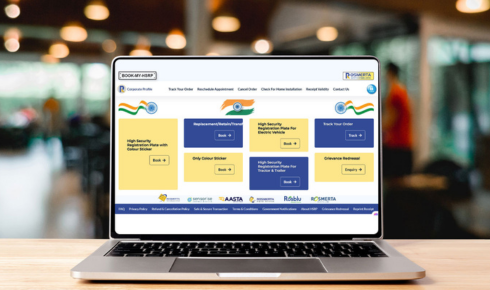
      Go to www.bookmyhsrp.com, the authorized government portal for HSRP booking across multiple states in India.
    2. Select Your State:
      Choose your state or union territory from the list. Each region has designated dealers and authorized fitment centers.
    3. Enter Vehicle Details:
      Fill in your vehicle’s registration number, chassis number, and engine number exactly as mentioned in your Registration Certificate (RC). Make sure the information is accurate to avoid issues during installation.
    4. Choose Vehicle Type:
      Select your vehicle category—two-wheeler, four-wheeler, or commercial vehicle.
    5. Select Fitment Location and Date:
      The website will display nearby authorized centers. Choose the most convenient one and select an available date and time for installation.
    6. Make Payment:
      The cost of HSRP plates varies depending on the vehicle type and state government guidelines. Payments can be made online via UPI, debit card, credit card, or net banking.
    7. Download Confirmation Receipt:
      Once the payment is successful, you’ll receive a confirmation receipt and SMS. Keep these for reference on the installation day.

    What You Need to Carry for Installation

    When you visit the authorized fitment center, carry the following:

    • A copy of the booking receipt or confirmation email.
    • Original Registration Certificate (RC) of the vehicle.
    • A valid photo ID such as Aadhar Card or Driving License.

    The technicians at the center will securely fix your HSRP plate using tamper-proof snap locks. The process usually takes 10 to 15 minutes, ensuring your old vehicle is now compliant with the latest regulations.

    Benefits of Ordering HSRP Online

    • Time-Saving: No need to visit multiple offices—everything is done online.
    • Transparency: The official website provides clear pricing and fitment options.
    • Secure Payment: All transactions are processed through authorized channels.
    • Easy Tracking: You can check your order and appointment status anytime.

    Final Thoughts

    Whether your vehicle is brand new or a decade old, installing an HSRP is a must. The government’s initiative ensures that every vehicle on the road is traceable, standardized, and secure. The online ordering process has made it simple for every vehicle owner to comply without stress or delays.

    So, if you haven’t yet upgraded, visit bookmyhsrp.com today and complete your HSRP registration. Ordering your HSRP number plate online is quick, safe, and the best way to ensure your vehicle is legally and technologically up to date.