Blog

  • IT Recruitment Agencies, IT Recruitment Agency

    IT Recruitment Agencies, IT Recruitment Agency

    In today’s fast-paced digital economy, businesses across industries rely heavily on technology to drive efficiency and growth. As organizations expand their IT infrastructure, the need for skilled professionals has increased dramatically. This has created an important role for IT Recruitment Agencies, which act as a bridge between companies seeking specialized talent and professionals looking for rewarding opportunities.

    The Growing Importance of IT Recruitment

    The IT sector is one of the most dynamic industries worldwide. From software development and data analytics to cybersecurity and cloud computing, companies require experts who can manage complex projects and adapt to evolving technologies. However, finding the right talent is not always easy.

    Recruitment agencies specializing in IT understand the unique requirements of technology roles. They go beyond traditional hiring methods to identify candidates who possess the technical skills, problem-solving abilities, and innovative mindset necessary to excel in today’s competitive environment.

    How IT Recruitment Agencies Work

    IT recruitment firms streamline the hiring process for businesses by handling tasks such as:

    • Candidate Sourcing: Maintaining large databases of skilled IT professionals.
    • Skill Evaluation: Assessing technical expertise through interviews, coding tests, and project simulations.
    • Shortlisting: Matching candidates with company requirements based on skills, experience, and culture fit.
    • Onboarding Support: Assisting with offer negotiations, documentation, and joining formalities.

    By taking on these responsibilities, agencies save companies valuable time and resources while ensuring a more accurate hiring process.

    Benefits for Employers

    For organizations, partnering with an IT Recruitment Agency provides several advantages:

    1. Access to Top Talent: Agencies maintain updated networks of professionals with niche IT skills.
    2. Faster Hiring: Companies can fill urgent roles quickly without compromising on quality.
    3. Expertise in Technical Roles: Recruitment firms understand the complexities of IT positions, ensuring the right match.
    4. Cost Savings: Outsourcing recruitment reduces overhead costs associated with in-house hiring.
    5. Scalable Hiring Solutions: Businesses can hire on permanent, contract, or project basis as per their requirements.

    Benefits for Job Seekers

    IT recruitment agencies don’t just support employers; they also provide significant benefits for job seekers. Candidates gain access to job openings that may not be advertised publicly. Additionally, many agencies offer career counseling, resume optimization, and interview preparation to enhance employability.

    For fresh graduates, agencies serve as gateways to their first IT jobs, while experienced professionals use them to explore better opportunities, transition into leadership roles, or switch to new domains like AI, machine learning, or blockchain.

    Why the IT Sector Relies on Recruitment Agencies

    With rapid advancements in technology, the demand for skilled IT professionals often outpaces supply. Businesses cannot afford lengthy hiring delays when project deadlines and competitive advantages are at stake. Recruitment agencies ensure that organizations have quick access to qualified candidates.

    Moreover, specialized agencies stay updated on emerging technology trends. This allows them to recommend professionals who are not only skilled in current tools but also adaptable to future innovations.

    The Global and Local Impact

    Globally, IT recruitment agencies help multinational corporations build diverse, skilled teams across geographies. Locally, in tech hubs such as Noida, Gurgaon, Bengaluru, and Hyderabad, agencies provide tailored solutions to meet the booming demand for IT talent. This dual impact strengthens both international businesses and local economies.

    Conclusion

    The IT industry continues to evolve at a rapid pace, and with it, the need for specialized recruitment support grows stronger. IT recruitment agencies play a vital role in ensuring companies gain access to skilled professionals while helping job seekers advance their careers. For businesses looking to remain competitive and individuals aspiring to grow in the technology sector, partnering with the right recruitment agency is a strategic step toward success.


  • Interior Designer in Nagpur Cost, Interior Design Cost in Nagpur

    Interior Designer in Nagpur Cost, Interior Design Cost in Nagpur

    When it comes to transforming your house into a dream home, hiring an interior designer is one of the smartest decisions you can make. An interior designer not only enhances the visual appeal of your living space but also ensures functionality and comfort. However, one of the first questions homeowners ask is about the Interior Designer In Nagpur Cost and how much budget is required to achieve the perfect look.

    Nagpur, known as the “Orange City of India,” is growing rapidly in terms of infrastructure and lifestyle. With more people investing in residential and commercial spaces, the demand for professional interior designers has increased significantly. But before you finalize a designer, it’s essential to understand the cost factors involved and how these costs vary based on project requirements.


    Factors Affecting Interior Design Cost in Nagpur

    1. Scope of the Project

    The cost of interior design largely depends on the size and type of project. For instance, designing a 1BHK apartment will cost significantly less compared to a 3BHK or a villa. Similarly, commercial projects like offices, showrooms, or restaurants will have higher budgets due to larger spaces and specific functional requirements.

    2. Designer’s Experience and Expertise

    The fee of an interior designer is directly linked to their experience and reputation. A highly experienced designer with an established portfolio may charge more, but they often deliver exceptional results in terms of quality, space optimization, and aesthetic value. Newer designers may offer lower fees, but their lack of experience might show in the final outcome.

    3. Materials and Finishes Used

    Your choice of materials—such as flooring, wall treatments, furniture, and décor—will heavily influence the Interior Design Cost In Nagpur. Premium finishes, modular kitchens, branded furniture, and customized décor items will increase the overall cost, while budget-friendly alternatives can help you keep expenses under control.

    4. Type of Services Chosen

    Interior designers offer a variety of service packages. Some clients hire them only for consultation, while others opt for complete end-to-end execution, including 3D design, sourcing materials, supervising labor, and project management. Full-service packages will naturally cost more compared to just a design consultation.

    5. Location of the Property

    Properties located in premium areas of Nagpur may involve higher costs due to both design expectations and labor charges. Additionally, accessibility to materials and logistics can influence the final cost.


    Average Cost of Interior Design in Nagpur

    While costs vary depending on individual needs, here’s a general idea of pricing in Nagpur:

    • Basic Interior Design (per sq. ft.): ₹40 – ₹100
    • Mid-range Design (per sq. ft.): ₹100 – ₹200
    • Premium/Luxury Design (per sq. ft.): ₹200 – ₹400+

    For an average 2BHK apartment in Nagpur, the cost of interior design can range anywhere between ₹3.5 lakhs to ₹8 lakhs, depending on design preferences and material quality. A 3BHK might range between ₹6 lakhs to ₹12 lakhs, while luxury villas or commercial spaces may go much higher.


    Tips to Manage Interior Design Costs

    1. Set a Clear Budget – Decide your budget beforehand and communicate it with your designer to avoid overspending.
    2. Prioritize Needs Over Wants – Focus on essential elements like storage, functionality, and comfort before splurging on decorative items.
    3. Choose Cost-Effective Alternatives – Opt for good-quality but reasonably priced materials instead of premium brands.
    4. Work in Phases – If budget is a concern, complete the design in stages rather than rushing everything at once.
    5. Get Multiple Quotes – Compare costs and services from different designers to find the best fit for your budget.

    Conclusion

    Hiring an interior designer in Nagpur is an investment that can enhance both the beauty and functionality of your space. The cost varies based on the size of the property, materials, and services selected, but with proper planning, you can achieve a stylish home or office within your budget. Whether you’re designing a compact apartment, a luxurious villa, or a modern office, knowing the cost structure helps you make informed decisions. Ultimately, interior design is not just about looks—it’s about creating a space that reflects your personality and lifestyle.

  • Finding the Right Path: A Human Look at Buying Businesses

    Finding the Right Path: A Human Look at Buying Businesses

    Buying a business isn’t like grabbing a new gadget off the shelf. It’s layered with emotions, risks, numbers, and plenty of second-guessing. For some, it’s the culmination of years of saving and planning. For others, it’s a strategic move to expand, diversify, or leap into an industry that’s been calling their name. But no matter the motivation, one thing’s clear: the process is rarely as straightforward as glossy magazine articles or flashy deal announcements make it seem.


    Why Business Buyers Need Support

    Let’s face it—entrepreneurs are dreamers at heart. But dreams don’t always align neatly with due diligence checklists or negotiation strategies. That’s why business buyer services exist. These services act as a steadying hand, guiding individuals and companies through the uncharted waters of acquisition.

    Instead of simply matching buyers with sellers, these services take a closer look at the buyer’s goals, financial capacity, and appetite for risk. They ensure the fit makes sense not just on paper but also in practice. Buying a business is, after all, more than acquiring cash flows—it’s stepping into someone else’s legacy, with all the quirks and challenges that come with it.


    The Complexity Behind Acquisitions

    On the surface, acquiring a business can look like a financial puzzle: negotiate a price, sign the contracts, and move on. In reality, it’s a marathon of assessments. Buyers need to evaluate operational systems, employee morale, customer relationships, regulatory compliance, and even the company’s reputation. One overlooked issue—say, a tax liability or an ongoing lawsuit—can derail what seemed like a promising deal.

    This is where buyer representation services business acquisition plays a crucial role. Representation isn’t just about protecting interests; it’s about balancing ambition with caution. These services help buyers dig deeper than the surface numbers, ensuring that when they step into ownership, they aren’t blindsided by hidden risks.


    The Human Side of the Process

    Beyond the spreadsheets and contracts lies a human dimension. Employees may worry about new leadership, sellers may struggle with letting go, and buyers themselves often feel the weight of responsibility. Consultants and advisors who specialize in buyer support don’t just analyze data—they help manage these emotional undercurrents.

    For example, a buyer might be ready to walk away from a deal because of cultural differences, but with the right representation, those concerns can be reframed as opportunities. Maybe the clash of cultures is exactly what sparks innovation. Maybe what feels like a challenge is actually a chance to modernize.


    Why Advisory Firms Matter

    In the U.S. especially, acquisitions are big business. Buyers range from ambitious individuals purchasing their first franchise to private equity firms eyeing billion-dollar deals. And in every case, the stakes are high. That’s why business buyer advisory firms have become indispensable.

    These firms offer more than just deal execution. They bring networks of trusted professionals—attorneys, accountants, industry experts—into the fold. They help buyers understand not just what they’re purchasing but also how to position themselves for growth post-acquisition. Whether it’s renegotiating supply contracts, restructuring debt, or integrating technology, advisory firms ensure buyers don’t just buy, they thrive.


    Lessons From Real-Life Examples

    Sometimes the best way to grasp the value of these services is by looking at what happens when they’re absent.

    Take the entrepreneur who bought a small retail chain without digging into lease agreements. Six months later, they discovered rising rent clauses that made profitability almost impossible. With proper representation, that risk would’ve been flagged.

    On the flip side, there’s the tech buyer who hired an advisory firm to evaluate a startup’s IP. What looked like a “maybe” deal turned into a goldmine once the advisors uncovered patents undervalued by the market. The buyer not only closed the deal but positioned themselves for a strong competitive edge.


    Common Mistakes Buyers Make

    Even the most enthusiastic buyers fall into traps:

    • Focusing only on price: A “cheap” deal isn’t always a good deal if the business is broken inside.
    • Underestimating culture: Financials may look good, but cultural mismatches can erode value quickly.
    • Skipping due diligence: Rushing leads to overlooked risks that often show up months later.
    • Failing to plan integration: Buying is only half the journey; what you do after matters just as much.

    Avoiding these pitfalls often requires the steady voice of an advisor who has seen countless deals play out.


    Why Timing and Market Conditions Matter

    A business that looks expensive today may feel like a bargain tomorrow if the market shifts. Conversely, a seemingly attractive deal during a boom might turn sour in a downturn. Buyers need to keep one eye on their own objectives and another on broader market conditions. Advisory services often provide this perspective, helping clients step back from the immediacy of negotiations to consider timing, industry trends, and even global economic signals.


    The Emotional Reward of Getting It Right

    Buying a business can be stressful, yes—but it can also be deeply fulfilling. Owners often describe the moment of closing not as an ending but as the beginning of something new. The thrill of walking into a company that’s now yours, greeting employees, and seeing operations firsthand is unlike anything else.

    But that feeling is sweetest when you know you’ve done the homework, minimized risks, and structured the deal with foresight. Services that focus on buyer representation and advisory help make that confidence possible.


    Looking Forward: How Business Buying Is Changing

    The landscape of acquisitions is evolving. Technology is playing a bigger role in evaluating businesses, from AI-powered financial analysis to digital platforms that match buyers and sellers. At the same time, softer factors like sustainability, brand reputation, and employee engagement are influencing buyer decisions more than ever.

    Advisory firms and representation services will need to adapt, but their core value won’t change: helping buyers cut through noise and complexity to find opportunities that truly align with their goals.


    Final Thoughts

    Buying a business is not a decision to take lightly. It’s a mix of hard numbers, human dynamics, and strategic vision. And while ambition fuels the journey, the right support ensures it ends well.

    Business buyer services, representation in acquisitions, and advisory firms aren’t luxuries—they’re essentials for anyone who wants to navigate the unpredictable, often emotional process of acquiring a business. Because in the end, the true value of a deal isn’t just in the contract signed; it’s in the foundation it creates for the future.

  • Why a Good RO System Matters More Than You Think

    Why a Good RO System Matters More Than You Think

    There’s something almost poetic about turning on the tap and expecting clean, crisp water to flow out. For most of us, it’s such a casual act that we hardly pause to consider the engineering, care, and technology that make it possible. Yet, in many households, the quality of water isn’t just a luxury—it’s directly tied to health, comfort, and even long-term savings. This is where reverse osmosis quietly steps in, not with fanfare, but with dependable precision.

    Understanding the Basics of Reverse Osmosis

    Reverse osmosis, often shortened to RO, works a bit like a backstage crew at a theater show. You don’t see them, but they make the entire performance happen flawlessly. Water is pushed through a semi-permeable membrane that strips away impurities like lead, nitrates, pesticides, chlorine, and countless other substances you wouldn’t want in your glass. What you’re left with is water that tastes cleaner, feels lighter, and—most importantly—is safer.

    For families looking to make the leap, a reverse osmosis system installation isn’t just a household upgrade. It’s an investment into everyday wellness. Clean water becomes the foundation for better cooking, clearer coffee and tea, healthier skin, and fewer bottled-water purchases cluttering up the recycling bin.

    Why EcoWater Stands Out

    There are plenty of brands promising pure water, but not all systems are created equal. Some are clunky, some are expensive to maintain, and others just don’t last. That’s why many homeowners in Florida are paying closer attention to specialized setups like the EcoWater of North Florida RO system.

    EcoWater has earned a reputation for reliability and innovation. These systems are engineered to deliver consistent water quality while using less waste water and energy than older models. It’s not just about purifying water—it’s about doing so responsibly. In a world that’s finally waking up to the importance of sustainability, that balance of purity and efficiency matters.

    The Overlooked Side of Water Systems: Maintenance

    Here’s the thing most sales brochures skip over: even the best RO system won’t serve you well if it’s neglected. Filters clog, membranes wear down, and parts need cleaning or replacement over time. Skipping maintenance is like buying a new car and refusing to ever change the oil—it’ll work fine for a while, but eventually, it’ll sputter to a halt.

    That’s why more people are searching for RO filter service near me. It’s the recognition that safe water isn’t a one-time purchase—it’s a relationship. A trusted service provider ensures that your RO system keeps performing at its peak, protecting your family and your appliances from the risks of mineral buildup or bacteria sneaking through worn-out filters.

    Everyday Benefits You’ll Notice

    One of the things people don’t always expect is how quickly they begin noticing the small improvements in daily life. Coffee suddenly tastes richer. Ice cubes look crystal clear instead of cloudy. There’s less white residue on faucets and kettles. Even your pets get the upgrade—cats and dogs often drink more when their water tastes cleaner.

    And let’s not forget the financial angle. Households that switch to an RO system often save a surprising amount by ditching bottled water. For families with kids or anyone trying to stay hydrated throughout the day, that alone makes a noticeable difference in the monthly budget.

    The Bigger Picture

    Water is one of those quiet foundations of life that we sometimes take for granted until it goes wrong. Anyone who’s ever struggled with sulfur-smelling well water, chlorine-heavy city water, or mysterious scaling on sinks and appliances knows the frustration. Safe, clean water shouldn’t feel like a privilege—it should be the baseline.

    And yet, choosing the right system can feel overwhelming. That’s why it helps to think about it less as a piece of equipment and more as part of your home’s ecosystem. A well-installed RO system blends into daily life without fuss, serving as an invisible but crucial partner in your health.

    A Thoughtful Ending

    At the end of the day, installing or upgrading an RO system isn’t about keeping up with trends or adding another gadget to the house. It’s about trust—trusting that every time you fill a glass, cook a meal, or make a cup of tea, you’re not second-guessing the quality of the water.

    Whether you’re just learning about reverse osmosis or you’ve been living with one for years, the real story is this: water quality shapes everything. And when you have the right system, properly installed and cared for, it’s one less thing to worry about in a world that already throws enough your way.

    So the next time you casually turn on the tap, remember—behind that effortless stream of water is a quiet network of technology, filters, and care. It’s more than convenience. It’s peace of mind.

  • Clean Water, Clear Choices: Why Treatment Matters More Than We Think

    Clean Water, Clear Choices: Why Treatment Matters More Than We Think

    There’s a small but undeniable comfort in pouring a glass of water and knowing it’s safe. Clear, cold, no odd taste, no strange odor—it’s something we often take for granted. But the truth is, not every home has that experience. Some people live with water that smells faintly of chlorine, or leaves spots on dishes, or tastes metallic when you least expect it. It’s easy to ignore those quirks until you realize water touches every part of daily life.

    We cook with it, wash with it, clean with it, and, most importantly, drink it. And if the quality isn’t up to par, that ripple affects everything else. That’s when people start asking the questions they usually avoid: what’s in my water, and what can I do about it?


    Why Purification Is More Than Just a Buzzword

    Purification isn’t about paranoia; it’s about peace of mind. The water flowing into your home may pass all the “acceptable” safety tests from your municipality, but acceptable doesn’t always feel ideal. Even small traces of minerals, chlorine, or sediment can build up over time—not just in your plumbing, but in your body and your appliances.

    That’s why choosing a trusted water purification company makes sense. They don’t just sell filters; they provide expertise. They know how to test, analyze, and explain what’s really happening with your supply. And when you’ve got someone who can break it down into plain English, suddenly the decision to treat your water feels less like a luxury and more like common sense.


    The Quiet Power of Residential Systems

    Most people imagine treatment as something huge—big industrial machines humming in the background. But for homes, the solutions are surprisingly straightforward. From under-sink units to whole-house setups, there’s an option for nearly every budget and need.

    That’s where residential water filter systems shine. They’re designed with families in mind, giving you clean water for drinking, cooking, bathing, and everything in between. The difference shows up in small but noticeable ways: laundry that looks brighter, showers that don’t dry out your skin, even pasta that tastes a little better because you’re boiling it in water that’s actually clean.

    It’s not about reinventing your lifestyle—it’s about letting your water quietly support it, instead of working against it.


    Testing: The Step Most People Skip

    Here’s the thing: guessing at what’s wrong with your water is a bad strategy. Maybe you think you need a softener, but your real issue is chlorine. Maybe you buy a filter pitcher, but your main problem is sediment from old pipes. Without testing, you’re throwing darts blindfolded.

    That’s where water testing and treatment services make such a difference. Professionals don’t rely on assumptions—they measure. They collect samples, run them through labs, and give you data that shows exactly what’s in your glass. From there, it’s not about selling you the biggest system; it’s about tailoring solutions to the actual problem.

    It’s like going to a doctor before buying medicine—you want a diagnosis before you commit to a treatment.


    The Costs of Doing Nothing

    It’s tempting to ignore water issues, because most of them don’t feel urgent. But the costs show up slowly. Hard water shortens the life of appliances. Chlorine wears down rubber seals and gaskets. Sediment clogs water heaters and reduces efficiency. Over time, what started as a faint taste in your morning coffee can turn into hundreds of dollars in repairs or replacements.

    And then there’s health. While most contaminants don’t make you sick overnight, long-term exposure isn’t something anyone wants to gamble with. Water is the one thing you consume more than anything else—it deserves better than a shrug.


    The Personal Side of Water

    Beyond appliances and health, there’s the simple comfort factor. Treated water just feels different. Soap lathers properly. Your hair rinses clean without residue. Skin feels softer. Coffee tastes like coffee instead of pool water. These may sound like small details, but they add up to a daily quality of life that you notice, even if you can’t always put your finger on why.

    It’s the same way you don’t think about good Wi-Fi until it’s gone. Once you’ve experienced water that supports you instead of fighting you, it’s hard to imagine going back.


    Businesses Rely on It Too

    It’s not just homeowners who notice. Restaurants, cafés, hotels, even gyms—clean, consistent water is part of their reputation. Customers may not say, “Wow, the water here tastes great,” but they’ll definitely notice if it doesn’t. Coffee that tastes off, showers that feel harsh, glasses that look cloudy—these things stick in people’s minds.

    For businesses, water treatment is less about luxury and more about survival. It keeps customers happy, appliances working, and operations running smoothly.


    Why Local Knowledge Counts

    Every community has its own water story. Some areas struggle with hardness, others with chlorine, others with old infrastructure. That’s why relying on local providers makes sense—they understand the specific challenges in your area. They’ve seen it, tested it, and fixed it in homes just like yours.

    It’s not about buying the flashiest system on the market. It’s about trusting people who know your neighborhood, your water supply, and the quirks of your pipes.


    DIY vs. Professional Help

    In an era of YouTube tutorials, it’s tempting to go the DIY route. And sure, you can replace cartridges or install small filters yourself. But when it comes to diagnosing problems, setting up larger systems, or ensuring everything runs efficiently, professional expertise pays off. A poorly installed system can waste water, run inefficiently, or fail entirely—leaving you back at square one.

    Sometimes the smartest investment isn’t the equipment itself, but the peace of mind that comes from knowing it’s installed and maintained correctly.


    Wrapping It All Up: Water Worth Paying Attention To

    We obsess over new phones, new cars, even new mattresses. Yet the one thing we literally can’t live without—water—often gets overlooked. Clean water isn’t about luxury. It’s about health, comfort, and protecting the systems that keep your home running.

    Whether it’s through purification companies, residential filters, or testing and treatment services, the path to better water isn’t complicated. It just requires paying attention. And once you do, you’ll wonder why you waited so long.

    Because in the end, water doesn’t just flow through pipes—it flows through every part of your life. And it’s worth making sure it’s the best it can be.

  • In the Face of Emergencies: A Human Look at Trauma and Critical Care Surgery

    In the Face of Emergencies: A Human Look at Trauma and Critical Care Surgery

    Emergencies don’t announce themselves. One moment life feels normal — you’re heading to work, cooking dinner, or just driving home — and the next, everything shatters. An accident, an unexpected injury, a sudden collapse. In those moments, you don’t think about insurance paperwork or the latest medical technology. You think: Who’s going to save me?

    That’s where trauma and critical care surgeons step in. These are the doctors you may never plan to meet, but whose expertise can mean the difference between life and loss. And behind the sterile lights of operating rooms and ICUs, there’s a story about resilience, skill, and the quiet heroism of medicine at its most urgent.


    The First Search

    When loved ones face the unimaginable, people often find themselves typing trauma surgeon near me into their phones with trembling hands. It’s not a casual search. It’s an act of desperation, a hope that somewhere close, there’s a team equipped to handle what feels unmanageable.

    But what’s rarely talked about is that trauma surgeons don’t just fix broken bones or stop bleeding. They orchestrate an entire response. They coordinate with ER teams, anesthesiologists, nurses, and specialists — all under the ticking clock of critical minutes.


    The Layer of Critical Care

    Once the immediate crisis is addressed, the work doesn’t end. Patients often need ongoing support, especially when injuries are complex or organs are damaged. That’s where programs like NTX critical care surgery play such an important role. These teams don’t just stabilize patients for a few hours; they carry them through days or weeks of fragile recovery, monitoring every system, anticipating complications, and adjusting treatments constantly.

    It’s not glamorous work. It’s long nights, constant vigilance, and the steady presence of a team that refuses to let patients slip away. Families may not always see that intensity, but they feel its impact when their loved one slowly begins to heal.


    The Scope of Acute Care

    Not all emergencies come from dramatic accidents. Sometimes it’s a ruptured appendix, a severe infection, or an unexpected blockage. These are quieter emergencies, but they’re no less urgent.

    That’s why hospitals emphasize acute care surgery services alongside trauma care. The same principles apply — rapid evaluation, decisive action, and skill in the operating room — but applied to a broader range of crises. For patients, the difference between timely intervention and delay can be enormous. And for families, it’s the reassurance that someone is ready, no matter what kind of emergency walks through the hospital doors.


    The Human Weight Behind the Profession

    It’s easy to imagine surgeons as purely technical — sharp instruments, steady hands, endless knowledge. But trauma and acute care surgeons carry something else: the weight of seeing people at their most vulnerable. They witness lives turning upside down in an instant, families breaking down in waiting rooms, patients fighting through pain and fear.

    Many describe their role as not just fixing bodies but holding space for chaos, for grief, for hope. They become part of stories that patients and families will carry forever — sometimes as the reason someone survived, other times as the ones who delivered the hardest news.


    Advances That Shape Survival

    Medicine has evolved enormously in this field. From imaging that speeds up diagnosis to minimally invasive tools that allow quicker interventions, trauma and acute care surgery today looks very different than it did even two decades ago.

    The progress shows in survival rates, recovery times, and long-term outcomes. But ask any surgeon, and they’ll tell you technology is only one part of the puzzle. The heart of it all remains the same: fast thinking, steady teamwork, and relentless dedication to saving lives.


    Families in the Middle of the Storm

    If you’ve ever been in a hospital waiting room while a loved one undergoes emergency surgery, you know the strange blend of hope and dread. Time slows down. Every door that opens, every glance from a nurse feels loaded with meaning.

    Good trauma and critical care programs understand this. They make communication a priority. Families may not grasp every medical detail, but hearing updates, seeing compassion, and knowing someone is fighting for their loved one’s life makes the unbearable slightly more bearable.


    Recovery Isn’t Linear

    Once patients make it past the immediate crisis, the long road begins. Recovery can be messy — setbacks, infections, fatigue, and emotional trauma are common. Many survivors of accidents or sudden illnesses also carry invisible scars, like post-traumatic stress or anxiety about their bodies failing again.

    This is where aftercare programs and counseling matter. Healing isn’t just about walking again or breathing without machines. It’s about finding a way to live again, to trust life again, even after it showed how fragile it can be.


    The Practical Realities

    We can’t ignore the cost. Emergency surgery is expensive, and families often feel blindsided by bills that arrive long after the crisis has passed. Insurance can be unpredictable, approvals complicated.

    Hospitals with strong patient advocacy programs can make a huge difference here. Helping families navigate financial strain is as important as the surgery itself, because the stress of debt can derail recovery almost as much as physical pain.


    A Quiet Kind of Heroism

    We love to put the word “hero” on people, but trauma and acute care surgeons rarely call themselves that. For them, it’s the job. It’s showing up at two in the morning, it’s making split-second calls under pressure, it’s carrying both victories and losses home after every shift.

    But for patients and families, that work looks like nothing short of heroism. Because in those rare moments when life itself hangs by a thread, knowing someone has the skill and courage to fight for you is unforgettable.


    A Thoughtful Ending

    Emergencies will always be part of life. We can’t predict them, and we can’t always prevent them. But we can take comfort in knowing that there are people — trauma surgeons, critical care teams, acute care specialists — who dedicate their lives to being ready for those moments.

    So if you ever find yourself in that sudden storm, remember: you’re not alone. Behind the sterile halls and the medical jargon is a team of humans who understand not just the science of saving lives, but the heart of it too.

    Because at the end of the day, trauma and critical care surgery isn’t just about medicine. It’s about giving people a second chance at life — and there are few callings more human than that.

  • Breathing Easier at Home: Real Stories About Purification, Costs, and Comfort

    Breathing Easier at Home: Real Stories About Purification, Costs, and Comfort

    Clean air and safe water don’t usually sit at the top of a person’s to-do list—until they do. Maybe it’s when you notice that faint musty smell lingering in the living room, or when your kid starts sneezing more often than seems normal. It’s in those small, quiet moments when you realize the invisible stuff in your home can make a big difference. That’s where the whole conversation around air and water purification gets real. It’s not about fancy gadgets—it’s about how these systems weave into your daily life and whether they’re worth the investment.


    The Price of Purity

    Let’s talk about the elephant in the room: cost. Most people hesitate before calling a professional because they assume it’ll drain the wallet. And honestly, sometimes it can feel that way. But when you break it down, the investment isn’t just about the system—it’s about the impact on your health and comfort over years.

    For families in Tennessee, the TN Water & Air purification cost often varies depending on the size of the home, the kind of system installed, and the specific contaminants being filtered. A small home may need a modest setup that filters out chlorine and sediment, while larger properties or older buildings might demand advanced filtration or whole-house systems. It’s like buying shoes—you wouldn’t get the same pair for a jogger as you would for someone working construction. The needs dictate the price, and the value reveals itself over time when you’re breathing easier and your tap water tastes like, well, water.


    When the Machine Breaks Down

    Here’s a scenario many folks know too well: you’ve invested in a purifier, it runs fine for months, and then one day it sputters. Maybe the air doesn’t smell as fresh, or the water suddenly has that odd metallic aftertaste again. It’s frustrating. That’s the moment you go hunting for help and discover there’s an entire industry around fixing these systems.

    An air purifier repair service can feel like a lifesaver in these moments. The good ones don’t just swap out filters; they inspect, clean, and reset the whole setup. Sometimes they’ll even give you tips on how to extend the lifespan of the system, which is gold for anyone not looking to replace equipment every couple of years. In truth, repairs are part of the long game. If you’re treating purification like a one-and-done purchase, you’ll eventually get burned. Think of it like owning a car—you wouldn’t skip oil changes and expect it to run smoothly forever.


    The Little Rooms That Matter

    Not every solution has to be industrial-sized or involve cutting into walls. For people living in apartments, condos, or older houses with small bedrooms and offices, compact purifiers are often the sweet spot. They’re easy to install, they run quietly, and they can be surprisingly effective at cutting down dust, pet dander, or seasonal pollen.

    I remember visiting a friend’s studio apartment last spring—windows wide open, air thick with pollen, and his allergies going off the rails. A week later, he called a small room air purifier installer, and by the time I came back, the difference was night and day. His sneezing fits calmed, the air didn’t feel heavy, and he could actually sleep without tissues by the bedside. These smaller units are proof that you don’t need a giant system to see results—you just need the right fit for your space.


    The Human Side of the Story

    Purification systems aren’t glamorous. They don’t get “unboxing” videos like new smartphones or Instagram reels with shiny cars. But if you talk to someone who’s struggled with asthma, allergies, or bad tap water, you’ll hear stories that are anything but boring. Parents often share how their child’s breathing improved within weeks of installing a new system. Elderly homeowners say it gives them peace of mind knowing their water isn’t tainted with harmful chemicals. These aren’t marketing pitches; they’re lived experiences.

    It’s also worth noting the subtle lifestyle changes. A better night’s sleep, less dusting around the house, fewer trips to the doctor for sinus infections—it all adds up. Suddenly, the price tag doesn’t seem so intimidating when you see the ripple effect on daily life.


    Do-It-Yourself vs. Professional Help

    Of course, in the age of YouTube tutorials, many homeowners wonder if they can handle installation and upkeep themselves. And in some cases, yes, you absolutely can. Replacing a filter, cleaning out a basic system, or plugging in a small purifier isn’t rocket science. But when it comes to larger systems—especially those connected to plumbing or HVAC—it’s usually smarter to let the pros handle it.

    DIY mistakes can lead to leaks, electrical issues, or just ineffective performance. And then you’re not just out the cost of the unit—you’re paying double to repair the damage. Professionals don’t just bring tools; they bring years of experience and the kind of subtle know-how you can’t get from a five-minute tutorial.


    Balancing the Budget and the Benefits

    Every homeowner faces the same balancing act: how much to spend upfront versus what it’ll save or improve over time. Some treat purification as a luxury; others see it as a necessity, especially in regions with older infrastructure or heavy seasonal allergens. The truth lies somewhere in between.

    If you’re on a tight budget, start small—maybe a portable unit for the room you spend most time in. If you’ve got more flexibility, investing in a whole-house water filter or high-end purifier can reduce long-term health costs and even extend the life of your appliances by keeping sediment out of pipes. In that sense, purification becomes less of a sunk cost and more of an investment in the hidden details of home life.


    Looking Ahead

    Technology in this space keeps evolving. What used to be clunky, noisy machines are now sleek, whisper-quiet devices with smart features. Some systems sync with apps, letting you track air quality in real time. Others adjust automatically based on the pollutants they detect. The future is clearly pushing toward convenience and efficiency, but the core purpose remains the same: to make your home safer and more comfortable.

    And that’s really the whole point. Whether you’re considering a big installation, repairing a unit that’s acting up, or just adding a compact purifier for your kid’s room, the motivation is universal—you want peace of mind. You want to know that the air and water you rely on every single day are doing you good, not harm.


    Final Thoughts

    At the end of the day, purification is one of those decisions that sits quietly in the background of life. Nobody brags about their new filter at a dinner party, but you’ll feel the difference when you’re not coughing, when your glass of water tastes crisp, and when your kids can breathe easier during allergy season.

    The choices—costs, repairs, installations—can feel overwhelming at first. But remember, you don’t have to figure it all out at once. Start small if you need to, ask questions, lean on professionals when it makes sense. What matters most is that you take steps, however gradual, toward making your home healthier. Because in the end, the air you breathe and the water you drink aren’t luxuries. They’re the foundation of daily living.

  • Keeping Ice Machines Clean and Reliable: Why Water Filtration Matters More Than You Think

    Keeping Ice Machines Clean and Reliable: Why Water Filtration Matters More Than You Think

    Walk into almost any restaurant, hotel, or café, and you’ll hear it—the steady hum of an ice machine doing its job behind the scenes. It’s one of those pieces of equipment that rarely gets the spotlight, yet when it fails, it’s instantly noticeable. Drinks taste off, machines slow down, and suddenly, something as simple as ice becomes a customer complaint. The culprit? More often than not, it’s the water.

    Ice machines live and die by the quality of water running through them. Minerals, sediment, chlorine, even microscopic bacteria—when these go unfiltered, they shorten equipment life and mess with the taste of the ice. That’s where proper water filtration steps in, and honestly, it’s the unsung hero of every reliable machine out there.

    The Hidden Costs of Bad Water

    If you’ve ever pulled cloudy, bad-tasting ice from a bin, you already know the story. Hard water builds scale inside the system, chlorine leaves a chemical aftertaste, and unseen microbes can sneak into cubes. It’s not just about aesthetics—it’s about performance and safety.

    Think about it: ice is food. Customers might not think about it, but the FDA does. Serving dirty ice is no different than serving undercooked meat. And while the health risks grab attention, the slow, creeping damage to the machine itself might actually hurt your business more in the long run. Scaling forces compressors to work harder, water lines clog, sensors fail. Repairs pile up, and sooner or later, you’re replacing an entire machine that could’ve lasted years longer with proper care.

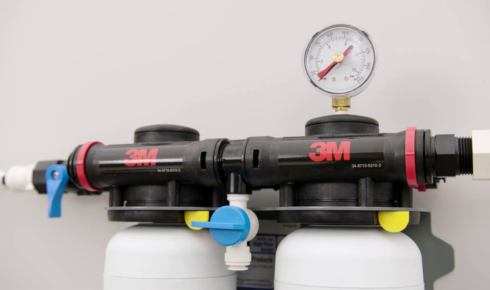
    It sounds dramatic, but this is exactly why so many operators are turning to dependable systems like Clean H2O Pros ice machine filters. They’re not just about keeping cubes clear—they’re about protecting an investment and avoiding the headaches that come when water quality gets overlooked.

    What Filtration Actually Does (Beyond the Basics)

    A lot of people assume water filters are just about taste. And yes, taste is a huge factor—nobody wants their soda tasting faintly like chlorine. But filtration is much more than that.

    A good filter is designed to handle several enemies at once:

    • Sediment and dirt that cloud cubes and clog valves.
    • Chlorine and chemicals that leave behind odd flavors or odors.
    • Minerals like calcium and magnesium that build scale.
    • Microbes that slip through untreated water sources.

    By capturing these, filters don’t just improve what the customer experiences—they reduce stress on the machine itself. Pumps don’t strain as much, sensors stay clean, and ice production stays steady. It’s a chain reaction, and when it works right, you hardly notice because everything runs smoothly.

    This is exactly why businesses invest in commercial ice machine water filtration systems. They’re not glamorous, but they’re like insurance. The upfront cost pays for itself the first time you skip a major repair call or avoid a weekend where the machine dies during peak service.

    The Arizona Factor: Hard Water in Action

    Now, let’s talk about geography for a second. Where you operate plays a huge role in how your machines behave. Arizona, for example, is notorious for some of the hardest water in the country.

    High mineral content isn’t just a minor nuisance—it’s a full-blown problem for equipment. Scale builds up quickly, and once it takes hold, it’s tough to remove without costly deep cleaning. That’s why local businesses are especially dependent on tailored solutions like commercial ice machine water filtration Arizona providers offer.

    It’s not just about having a filter. It’s about having the right filter for the region’s unique challenges. The water quality in Phoenix is wildly different from Tucson or Flagstaff, and professionals in the state know how to match filtration systems to those quirks. It’s the difference between a machine limping along for three years and one lasting well over a decade.

    Maintenance: The Overlooked Step

    Here’s the thing nobody wants to admit: even the best filter won’t save you if you forget about it. Filters need changing. Maintenance schedules exist for a reason.

    A dirty filter doesn’t just stop working—it becomes a breeding ground for bacteria and forces the system to push harder, which ironically does the opposite of what you wanted in the first place. The best operators set reminders, log service dates, and treat filtration like oil changes in a car.

    And yet, because ice machines often hum away in the background, they’re easy to forget. Out of sight, out of mind. Until one day, cubes come out gray, and you’re calling a service tech at 10 PM. Preventive care saves that late-night panic.

    Customers Notice More Than You Think

    Some operators underestimate how much customers pay attention. Truth is, they do notice. They notice when the ice in their cocktail is cloudy. They notice when soda tastes “off” because chlorine is sneaking through. They definitely notice when there’s no ice at all.

    Hospitality is about details, and ice plays a quiet but powerful role in perception. Clean, clear ice says: we care about quality. Dirty, foul-tasting ice says: we cut corners. It’s that simple.

    Investing in proper filtration isn’t just about keeping health inspectors happy—it’s about keeping customers comfortable.

    Choosing the Right Solution

    So how do you pick the right system? It starts with knowing your machine size, your water quality, and your volume needs. A café making a few dozen pounds of ice a day has very different needs from a hotel serving thousands of guests.

    That’s where local professionals matter. They test water, check hardness, and recommend systems that match the exact environment. Going generic might save a few dollars upfront, but the wrong filter is basically the same as no filter at all.

    Working with a trusted provider makes the difference, especially in areas with specific challenges like Arizona. You’re not just buying a filter—you’re buying expertise and support.

    A Long-Term View

    At the end of the day, filtration isn’t about quick fixes. It’s about setting your machine up for long-term success. Think about it like health: a balanced diet and exercise prevent bigger problems later on. Water filtration does the same for ice machines.

    It’s easy to ignore until there’s a problem, but by then, it’s too late. Smart businesses treat it as essential infrastructure. They schedule filter changes like clockwork, invest in quality systems, and view it as part of the cost of doing business—because in truth, it is.

    Final Thoughts

    Ice machines may not get much glory, but they’re the backbone of countless operations. Protecting them starts with water, and water quality starts with proper filtration.

    Whether you’re running a small café, a busy hotel, or a sprawling restaurant, the message is the same: filtration is not optional. It’s the line between reliable service and constant frustration.

    So the next time you hear that quiet hum in the back, remember—it’s not just a machine. It’s a system depending on clean, well-filtered water to keep your business running smoothly. And with the right filtration plan, it’ll do exactly that for years to come.

  • Building Smarter: Why Modern Construction Teams Rely on Digital Project Management Tools

    Building Smarter: Why Modern Construction Teams Rely on Digital Project Management Tools

    Walk onto any active construction site and you’ll feel it immediately — the organized chaos. Cranes swinging overhead, crews checking blueprints, supervisors juggling calls, and somewhere in between, a project manager trying to hold it all together. Construction has always been about timelines, budgets, and coordination. But in today’s fast-moving world, the old way of handling things with spreadsheets and paper schedules feels almost prehistoric.

    That’s where technology, specifically construction project management software online, is reshaping the industry. It’s not just about moving to the cloud. It’s about creating a central nervous system for projects, one that keeps communication clear, tasks on track, and everyone accountable no matter where they are.


    From Clipboards to Cloud Dashboards

    Not too long ago, managing a construction project meant walls covered with sticky notes, binders full of contracts, and endless back-and-forth emails. The problem? Human error and delays crept in far too easily. A misplaced drawing or a missed email could set a project back days, sometimes weeks.

    Now, managers can pull up a dashboard on their laptop or phone, instantly seeing progress reports, budget updates, and subcontractor schedules. With everything in one place, information flows faster and decisions are made with real data, not just gut instinct.

    And here’s the kicker: this doesn’t just save time. It saves money. Anyone who’s worked in construction knows that delays equal costs. Even shaving off a few days from a schedule can translate into thousands of dollars saved.


    Why Developers Are Leaning In

    It’s not just project managers who benefit. For developers overseeing multiple sites at once, the stakes are even higher. They need visibility without micromanaging every screw and nail. That’s why many are adopting construction project management software for developers.

    Think of it as a bird’s-eye view with the ability to zoom in when necessary. Developers can track budgets across projects, compare timelines, and spot potential bottlenecks before they spiral out of control. Instead of being buried in weekly update calls, they can open an app and see where things stand in real time.

    The transparency this provides is a game changer. It builds trust with investors, keeps clients updated without constant reports, and ultimately makes it easier to deliver projects on time.


    The Role of Schedules in a Chaotic Industry

    Every construction site runs on schedules. Without them, chaos wins. But schedules aren’t just dates on a calendar. They’re the backbone of coordination between architects, contractors, electricians, plumbers, and countless others.

    That’s why crafting a solid construction schedule management plan is critical. Done right, it prevents overlapping work, reduces downtime, and ensures resources are used efficiently. With digital tools, schedule management goes beyond static timelines. Delays in one task automatically adjust dependent tasks. Notifications are sent when something slips, so it doesn’t go unnoticed until it’s too late.

    It’s like having a living schedule that adapts to reality rather than forcing reality to fit an outdated chart.


    Collaboration Without the Headaches

    Ask anyone in construction about communication breakdowns, and you’ll hear horror stories. One contractor installs something incorrectly because they were working off an old version of the plan. A supplier delivers late because they never got the update. These small mistakes snowball into costly setbacks.

    Modern platforms are designed to kill those headaches. Everyone works from the same updated files. Drawings, contracts, permits — all are accessible in one place. If a change is made, the whole team sees it instantly. No more “but I never got that email” excuses.

    Even better, many of these tools integrate with existing design software. So, when architects update blueprints, the new versions automatically sync to the project platform. That integration cuts out hours of manual file sharing and keeps mistakes to a minimum.


    Keeping Budgets Under Control

    Let’s face it: budgets are tight, and overruns are the nightmare of every project manager. In the past, costs were tracked with clunky spreadsheets and manual reports, often leading to nasty surprises halfway through a project.

    Digital management tools help prevent that. Expenses can be logged on-site in real time, invoices are tracked centrally, and managers can compare projected vs. actual costs as the project unfolds. This constant visibility means problems are spotted early rather than after it’s too late.

    For developers and investors, that’s pure gold. Transparency reduces risk and increases confidence that a project won’t bleed money unnecessarily.


    Flexibility in an Unpredictable World

    Construction is unpredictable. Weather delays, labor shortages, material supply chain issues — they all happen, often at the worst possible time. What sets successful teams apart is not avoiding problems but adapting quickly when they appear.

    Here’s where online project management shines. Instead of scrambling with phone calls and emergency meetings, adjustments are made directly in the system. Teams see updated priorities immediately. Resources are reallocated. The ripple effect is managed, not ignored.

    This flexibility isn’t just nice to have; it’s survival. Projects that adapt fast finish stronger, while those that resist change get buried under delays and frustration.


    A Cultural Shift, Not Just a Tool

    One thing worth mentioning: adopting digital management isn’t just about installing new software. It’s a cultural shift. Teams have to embrace transparency, accountability, and collaboration. For some, it feels uncomfortable at first — suddenly everyone can see your progress or lack of it.

    But over time, that visibility builds stronger teams. It reduces blame games and finger-pointing because the facts are right there for everyone to see. It pushes teams to work smarter, not harder.


    Choosing the Right Platform

    With so many options out there, picking the right software can feel overwhelming. Some are built for massive enterprises handling billion-dollar projects. Others are lightweight and perfect for small contractors who just need better scheduling.

    The key is to define your needs before you shop around. Do you need integration with design tools? Do you manage multiple projects at once? Do you need advanced financial tracking? Once you know what matters most, the decision becomes clearer.

    And don’t underestimate ease of use. A system is only valuable if people actually use it. Fancy features mean nothing if your team finds it clunky or confusing.


    The Future of Building Smarter

    Looking ahead, the role of digital project management in construction is only going to grow. Artificial intelligence is already being layered into some platforms, predicting delays before they happen and suggesting optimizations. Drones and IoT sensors feed live site data back into management dashboards. The possibilities are endless.

    But even as the tools evolve, the core goal remains simple: keep projects on track, keep people aligned, and reduce the chaos that naturally comes with construction.


    Final Thoughts

    At the end of the day, technology doesn’t replace the grit and skill of construction crews. It just gives them a better framework to succeed. The hammer and nails will always matter, but so will the systems that guide how, when, and where they’re used.

    For any team or developer serious about staying competitive, digital management isn’t a luxury anymore. It’s the new baseline. Those who embrace it will build smarter, faster, and with fewer headaches. Those who don’t? Well, they’ll be left juggling clipboards while the rest of the industry moves on without them.

  • Staying Cool in Laughlin: Why Reliable HVAC Service Makes All the Difference

    Staying Cool in Laughlin: Why Reliable HVAC Service Makes All the Difference

    There’s something about the desert heat in Laughlin that makes you appreciate air conditioning on a whole new level. When the sun is blazing down on the Colorado River and the asphalt feels like it’s melting under your shoes, stepping inside a cool room can feel like stepping into paradise. But, as anyone living here knows, that comfort doesn’t just magically appear. It’s the result of a system that works hard day after day — and the folks who know how to keep it running.

    If you’ve ever dealt with a sputtering AC unit during a July heatwave, you know how stressful and even dangerous it can be. That’s why having a trusted local service isn’t just convenient — it’s essential. Let’s talk about what makes HVAC care in Laughlin unique, why it’s not something to put off, and how the right company can make your life a whole lot easier.


    The Unforgiving Laughlin Climate

    Unlike other parts of the country, Laughlin doesn’t just flirt with high temperatures — it dives right into triple digits and stays there for months. This climate puts incredible stress on cooling systems, far more than many people realize.

    Your air conditioning isn’t just cooling the air; it’s fighting off relentless outdoor heat, sand, and sometimes even power fluctuations. That combination means maintenance here is not a luxury, it’s survival. A quick call for air conditioning service Laughlin can be the difference between a quick tune-up and a major system breakdown that leaves you scrambling for hotel rooms until the parts arrive.


    More Than Just Repairs

    A lot of people think HVAC technicians only show up when something breaks. But the best companies are proactive. They check refrigerant levels, clean coils, inspect ductwork, and make sure your thermostat isn’t working against you. Regular maintenance may not sound glamorous, but when it saves you from a midnight breakdown, you’ll be glad you booked it.

    Think of it like taking care of a car. You wouldn’t drive thousands of miles without changing the oil, right? Your AC system deserves the same kind of attention, especially when it’s running nearly nonstop through the summer.


    Choosing the Right HVAC Partner

    Here’s where it gets tricky: not all companies are created equal. Some might offer cheap prices but cut corners, while others may overpromise and underdeliver. What you really want is balance — fair pricing, skilled technicians, and honest communication.

    Finding the best HVAC company Laughlin isn’t about flashy advertising; it’s about reputation and reliability. Ask neighbors, check reviews, and look for signs that a business values long-term customer relationships instead of just quick profits. In a small community like this, word of mouth carries a lot of weight.


    When Repairs Can’t Wait

    There are times when patience simply isn’t an option. Imagine your AC quitting at 6 p.m. on a 115-degree day, right when the house is packed with family visiting from out of town. You can try fans, ice water, and wet towels, but nothing compares to cold air flowing from the vents.

    That’s why emergency repair services are so important. Companies that can dispatch technicians quickly, even outside normal business hours, are lifesavers in this environment. And while repairs can sometimes feel costly, the peace of mind of getting your home back to livable conditions is priceless.


    The Local Advantage

    There’s another thing worth mentioning: local knowledge matters. Laughlin may not be as big as Las Vegas, but it has its quirks. Power usage spikes, hard water issues, and desert dust storms all affect how HVAC systems run here. A company that knows these challenges inside and out will be better prepared to prevent problems before they start.

    For example, dusty conditions mean filters clog faster. A technician who understands this might recommend more frequent filter changes or even special filters designed for desert environments. That kind of insight only comes from working in the area year after year.


    Comfort Beyond Cooling

    We tend to focus on AC because of the extreme summer heat, but HVAC systems do more than cool. They also handle heating (yes, Laughlin nights can get chilly in winter), ventilation, and overall air quality. If you’ve noticed allergies flaring up, strange odors from vents, or uneven temperatures from room to room, your system might be trying to tell you something.

    Good service providers will treat your home as a whole, not just a machine. They’ll check air circulation, humidity levels, and even energy efficiency. After all, nobody likes sky-high power bills, especially when they could be lowered with a few simple adjustments.


    A Case for Long-Term Relationships

    Here’s something people don’t always think about: sticking with one company over time can actually save you money and headaches. When technicians know your system’s history, they can spot issues earlier and give better advice. You don’t have to explain the same problems again and again, and they already know what parts your system tends to need.

    That consistency can build trust, and in a place where AC truly is a lifeline, trust is everything. A good service relationship feels less like a transaction and more like having a reliable partner who’s invested in your comfort.


    A Community That Depends on Cool Air

    Laughlin is a town that thrives on tourism and hospitality. Hotels, casinos, and restaurants all depend on reliable cooling systems to keep guests happy. But even beyond the big businesses, everyday families need that same reliability. The stakes are higher here than in cooler climates — comfort can quickly turn into safety.

    This is why services like River Valley AC Repair Laughlin stand out. They’re not just fixing machines; they’re keeping households, businesses, and even visitors safe in extreme weather. When you think about it that way, HVAC technicians are a lot like unsung heroes of desert living.


    Wrapping It Up

    Air conditioning may not be glamorous, but in Laughlin, it’s nothing short of essential. From routine maintenance to emergency repairs, having the right people on your side makes all the difference.

    If you live here, don’t wait until your system gives out in the middle of a scorching afternoon. Take time to build a relationship with a trusted local company, get those regular checkups, and treat your HVAC system with the respect it deserves.

    Because in a place where summer heat can feel like an unrelenting furnace, staying cool isn’t just about comfort — it’s about quality of life. And that, at the end of the day, is worth every ounce of care you put into it.