There’s a moment — usually after spotting a mysterious stain on the ceiling or hearing that telltale drip-drip-drip — when you realize: it might be time for a new roof. And then the anxiety kicks in. What now? Who do I call? How long does it take? How much is this going to cost me? Will my dog freak out with all the banging?
Totally normal questions. Roofing isn’t something most folks deal with often, and the process can feel overwhelming. But it doesn’t have to be a headache. In fact, with the right team and a little prep, it can be surprisingly smooth. This guide will walk you through what to expect roofing process wise — from that first phone call to the final cleanup.
It All Starts With the Right People
Sure, you could hire any roofing company off the internet. But when you’re dealing with something as important as the literal cover over your family’s heads, who you work with really matters.
There’s something comforting about working with a team that’s been doing this for decades — folks who still answer the phone themselves, know your neighborhood, and treat your home like it’s their own. That’s why so many homeowners lean toward family owned roofing benefits when weighing options.
These companies usually care a little more — not because they have to, but because their name is on the line. You’re not just a job; you’re part of the community. And that makes a real difference, especially if any issues pop up down the line.
Before the First Shingle Drops
Once you’ve chosen your roofer, things start rolling pretty quickly. First up: inspection and estimate. They’ll check the condition of your current roof, attic, ventilation, and sometimes even your gutters and flashing. After that comes the detailed quote, which should include labor, materials, warranties, permits — the whole shebang.
Ask questions. If something’s unclear, speak up. Good roofers won’t rush you through it. They’ll explain the materials they recommend, walk you through different price points, and even help you figure out financing or insurance if needed.
Prep Time: The Calm Before the (Controlled) Storm
Here’s where you’ll do some light prep. Park cars away from the house. Move fragile outdoor items. Maybe warn your neighbors (roofing noise isn’t subtle). And brace for a couple days of hammering and the occasional clatter.
Inside your home, take down anything hanging on walls or shelves near the ceiling. Vibrations can travel. It’s a good excuse to finally store those Christmas decorations you never got around to putting away.
Install Day(s): Boots on the Roof
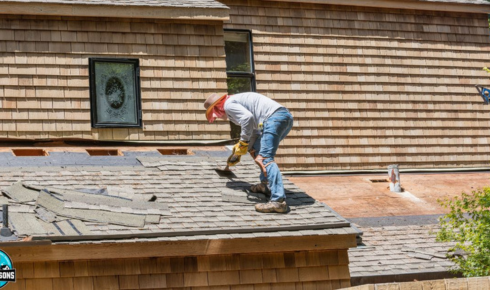
Roofing jobs typically kick off early — we’re talking sunrise, coffee-still-brewing early. The crew will tear off your old roof first (unless you’re doing a roof-over, which is rare these days), lay underlayment, install flashing, and then start placing the new shingles or material of choice.
Depending on the size and complexity of your roof, this might take a day or two — or stretch into three for larger or more intricate structures. Weather can cause delays, but a reliable contractor will keep you updated every step of the way.
And that brings us to the often-dreaded, rarely-understood roofing timeline explanation. In simple terms:
- Day 1: Tear-off, prep, underlayment
- Day 2: Shingle or material install
- Day 3 (if needed): Cleanup, final details, gutter touch-ups, inspection
Some projects finish in a day. Some need a bit more. Communication is key — no homeowner likes to be left wondering where the crew disappeared to.
Clean Up Crew (Yes, They’re Real)
A quality roofing team doesn’t just slap on shingles and peace out. The last day involves serious cleanup — hauling away old materials, running magnets to collect stray nails, checking your yard, flower beds, driveway. It should look like they were never there… except now, your roof looks amazing.
Take time to walk around with the crew leader. Ask for photos of the install if you didn’t get to peek while it was happening. Confirm warranties and make sure you’ve got paperwork in hand before they leave.
After the Dust Settles
Once the crew rolls out, your job’s pretty much done. But it’s smart to keep an eye on things — especially during the first big rain or storm. If anything feels off, call your roofer. Reputable companies will respond quickly and make it right.
You should also register your product warranties if needed (your roofer will help with that). And set a reminder to have your roof inspected every year or so. A little maintenance goes a long way in protecting that investment.
Final Thoughts: It’s More Than Just a Roof
Let’s be real — getting a new roof is a big deal. It’s noisy. It’s a little disruptive. And yes, it’s a significant expense. But it’s also one of the smartest things you can do for your home.
You’re not just upgrading shingles. You’re protecting your walls, ceilings, HVAC, electrical — your entire foundation, really. You’re increasing curb appeal, resale value, and probably sleeping a little easier during those spring storms.