There’s nothing quite like the rude shock of stepping into a shower that’s supposed to be warm but isn’t. It’s early morning, you’re half-awake, coffee still brewing, and suddenly you’re hit with freezing water instead of comfort. It’s one of those moments that turns a good day sour before it even begins. We take hot water for granted — until it’s gone.
And when that happens, most people go into panic mode. They start twisting knobs, checking pilot lights, maybe even giving the tank a light kick (as if that ever works). But the truth is, hot water issues are rarely random. They’re symptoms — small cries for help from a system that’s been overworked, neglected, or just aging out of its prime. That’s when calling a hot water plumber becomes less of an option and more of a necessity.
The Unsung Hero of Every Home
Hot water systems are like quiet, dependable friends. They don’t make noise, don’t draw attention, and just do their job — until the day they don’t. From showers and dishwashers to laundry and handwashing, your home relies on hot water far more than you realize.
When a system fails, it’s not just an inconvenience; it’s a disruption. And yet, most homeowners don’t think about their hot water heater until it’s too late. The irony? Regular maintenance could prevent most breakdowns. Sediment build-up, small leaks, or worn-out parts usually show signs long before a full failure — if you know what to look for.
That’s where experience matters. A seasoned plumber doesn’t just fix; they diagnose. They can tell if the issue stems from corrosion, a thermostat problem, or a pressure imbalance that’s been quietly worsening for months.
How to Spot Trouble Before It Strikes
Not every issue announces itself dramatically. Sometimes, the signs are subtle. Lukewarm water that doesn’t get fully hot. A strange popping or hissing noise. Longer heating times or inconsistent pressure.
Think of these as early warnings — your system’s way of whispering that it needs attention. If you act early, you can often avoid the worst. For example, draining your tank once a year to remove sediment can extend its life and improve efficiency.
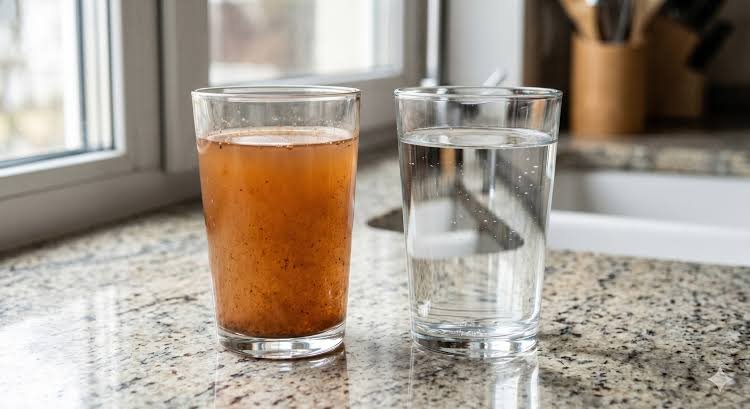
But if you start noticing leaks or rust-colored water, that’s a red flag. It means internal parts are deteriorating, and a replacement might not be far off. That’s when you’ll likely start searching for hot water heater repair near me, hoping to find someone who can get things back to normal — and fast.
Why DIY Fixes Often Make Things Worse
It’s tempting, especially with online tutorials everywhere, to think you can handle hot water repairs yourself. But unless you’re experienced, that’s often a mistake. Water heaters involve electricity or gas, pressurized systems, and plumbing connections — all things that can cause serious damage if mishandled.
We’ve all heard those “oops” stories — a friend tries to relight the pilot light and ends up with a gas leak, or someone tightens a valve too much and cracks the fitting. These systems are complex. A professional can identify whether your problem is electrical, mechanical, or even related to your home’s plumbing layout.
Beyond that, there’s safety. A malfunctioning heater can cause burns, leaks, or even explosions in extreme cases. Not exactly something to gamble with over a weekend project.
The Art of Choosing the Right Professional
Not all plumbers are created equal. Some specialize in general plumbing — fixing sinks, toilets, and drains. Others focus on heating systems and water heaters specifically. When your water goes cold, you want someone who deals with these systems daily, not occasionally.
That’s where working with a plumber water heater specialist makes all the difference. They’ll understand the specific models, the common issues in your area, and the best long-term fixes rather than temporary patches.
Ask questions before hiring:
- How long have they been servicing water heaters?
- Do they offer maintenance plans?
- Can they provide same-day service in emergencies?
A true professional will be transparent about pricing, explain what they’re doing, and won’t pressure you into replacing a system that still has life left.
Repair or Replace? The Big Decision
Every homeowner faces this crossroads eventually. Should you repair the old unit again or invest in a new one? The answer depends on a few things — the system’s age, repair history, and efficiency.
Most standard water heaters last around 8 to 12 years, depending on the model and maintenance. If yours is within that range and starting to act up repeatedly, it’s probably time for an upgrade. Modern systems are far more energy-efficient and can cut utility costs in the long run.
Tankless water heaters are becoming especially popular — they heat water on demand, saving both energy and space. They’re not always the best fit for every home, but they’re worth discussing with your plumber if you’re due for a replacement.
Why Regular Maintenance Is Worth Every Penny
Here’s the thing about water heaters: they’re easy to ignore because they’re usually hidden away in basements or closets. But just like your car, they need regular care to perform their best.
A yearly inspection can catch issues before they escalate. Checking pressure valves, flushing the tank, inspecting anode rods, and ensuring proper ventilation — these small tasks extend the life of your system and prevent expensive emergencies.
It’s like going to the dentist. You can skip your checkups, sure, but eventually, you’ll pay for it — literally. And when it comes to water heaters, neglect always costs more than maintenance.
Beyond the Tools: The Human Side of the Trade
There’s something reassuring about a plumber who walks in, listens to your concerns, and immediately knows what’s wrong. It’s not just about fixing pipes — it’s about restoring a little bit of normalcy to your day.
Good plumbers understand that. They’ve seen the stress a broken heater can cause — families juggling showers, dishes piling up, or small businesses struggling to stay open. The best ones show up not just with tools, but with patience, empathy, and the quiet confidence that everything’s going to be okay soon.
It’s a small thing, but it matters.
The Comfort of Warmth, Restored
At the end of the day, hot water isn’t just about hygiene or convenience — it’s about comfort. It’s that warm shower before work, that deep soak after a long day, the ease of washing dishes without icy hands.