There’s something quietly fascinating about how a home, office, or even a small café hums with energy. Lights switch on, appliances whirr to life, and computers blink awake—all seemingly effortless. But behind that smooth orchestration lies a hidden world of wires, switches, circuits, and logic. That world begins with the electrical layout, a blueprint that doesn’t just power spaces—it defines how people live, move, and feel inside them.
The Invisible Skeleton of Functionality
If architecture is about structure, then the electrical plan is about pulse. It’s the heartbeat of a building, dictating where energy flows and where it pauses. A well-thought-out electrical layout isn’t just technical—it’s personal. It predicts habits. It knows you’ll charge your phone beside the bed, prefers warm light in the reading nook, and anticipates the Christmas tree corner you set up every year.
Designers and electricians collaborate like storytellers—one sketches the vision, the other gives it power. Every socket, switch, and breaker has a purpose. Yet, the beauty of it all lies in its invisibility. Once walls close up and lights glow, no one sees the wires—but everyone feels their precision.
Wiring the Logic of Living
Creating a wiring plan is like mapping the logic behind comfort. It’s not about stuffing conduits into walls—it’s about creating a seamless flow of usability. You don’t want to fumble in the dark searching for a switch or overload a circuit because too many appliances share the same line. A good plan eliminates such frustrations before the first cable is even laid.
Electricians often talk about load balancing and circuit grouping, but at its heart, it’s simply about empathy—understanding how spaces breathe. A kitchen, for instance, demands power density: refrigerators, ovens, dishwashers. The bedroom? It’s softer—reading lamps, alarm clocks, and phone chargers. Each room tells its own story, and the wiring plan listens before it speaks.
Lighting as Emotion, Not Just Illumination
Now, step into the poetic side of power—lighting design. Light can transform concrete into warmth, corners into comfort, and ceilings into drama. Think of it as the mood board of electricity. A soft glow in the hallway can calm late-night wanderers; a bright pendant over the island makes morning coffee feel like ritual.
Lighting designers blend art with physics. They consider color temperature, reflection, and even shadows. They play with layers—ambient, task, and accent lighting—to create depth and emotion. Ever noticed how a warm bulb makes dinner feel intimate, while a cool one in an office sharpens focus? That’s no accident. That’s intentional lighting, and when done right, it turns functionality into experience.
The Dance Between Form and Safety
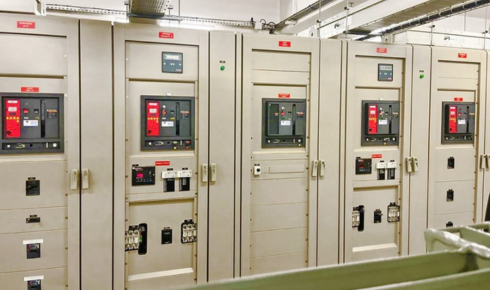
Yet, amidst the creativity and imagination, the silent backbone remains—safety. No one sees the fuse box as art, but it’s arguably the most important installation in the building. It’s what prevents the romance of light from turning into a spark of danger.
Codes, standards, and grounding systems exist for good reason. Each country, even each city, can have its own set of electrical regulations. But professionals know that these aren’t mere red tape—they’re guardrails. They ensure that what glows beautifully above remains safe below. The perfect layout is one that balances innovation with compliance.
Planning Ahead: The Unsung Hero of Efficiency
One of the biggest mistakes in new constructions or renovations? Treating the electrical plan as an afterthought. People spend hours picking tiles and paint but give five minutes to where the switches go. The result? Extension cords running like lazy snakes across floors, outlets hidden behind heavy furniture, and lighting that never feels quite right.
An experienced designer knows that planning ahead saves both frustration and money. Want to add a future EV charger? Plan the conduit now. Considering smart home upgrades? Leave space in the panel. Flexibility built into the design today means fewer headaches tomorrow. Electricity might be invisible—but foresight glows.
The Quiet Intelligence of Modern Electrical Design
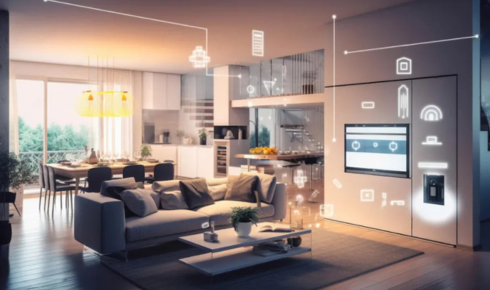
Technology has changed how we think about power. Once, it was about simple supply; now it’s about smart distribution. Motion sensors, dimmers, smart thermostats, even app-controlled lighting—all these require planning that merges traditional wiring with digital intelligence.
Today’s layouts often include network cabling, USB charging points, and backup power solutions. It’s not just wiring—it’s a dialogue between hardware and habit. As life becomes more digital, electrical planning becomes less about installation and more about integration.
Lessons from Real Life (and a Few Mistakes)
Ever moved into a house where the bathroom switch is outside the door? Or found the living room lights on one side of the wall and the fan control on the other? Those are design sins born of rushed planning. Small oversights that turn daily routines into tiny annoyances.
In contrast, a well-thought-out plan feels invisible—but in a good way. You don’t notice it because it works so naturally. Everything is where it should be, doing what it should do, quietly supporting your day.
Wrapping It All Together
An electrical plan isn’t just about current—it’s about connection. Between people and their spaces. Between design and utility. Between imagination and safety. Every glowing bulb, every humming appliance owes its existence to a plan drawn somewhere on paper long before a single wall was built.
So, the next time you flick a switch and light spills across your room, take a second to appreciate the unseen choreography that makes it possible. The delicate blend of design, calculation, and craftsmanship humming behind the scenes. Because in the end, electricity isn’t just power—it’s poetry conducted through copper.