Category: Home Services

  • Turning Your Tap Water Into a Wellness Boost — The Real Way to Make Alkaline Water at Home

    Turning Your Tap Water Into a Wellness Boost — The Real Way to Make Alkaline Water at Home

    You’ve probably heard someone mention “alkaline water” at least once in the past few years. Maybe it was at a gym, a health food store, or that one friend who’s always trying the newest wellness trend. And while some of those fads come and go, the idea of balancing your body’s pH through hydration has stuck around. But do you really need to spend money on fancy bottles labeled “ionized” or “electrolyte-enhanced”? Honestly, not necessarily. You can make alkaline water at home — and it’s a lot simpler than most think.


    The Hype Around Alkaline Water

    Let’s get this out of the way first — alkaline water isn’t magic. It’s not going to turn you into a superhero or cure every ache. But it can help balance the acidity in your body, especially if your diet leans heavily toward processed foods, caffeine, or sugar — all of which tend to increase acidity. The general idea is that by drinking water with a higher pH level (typically 8 or 9 instead of neutral 7), you might help neutralize some of that acid buildup.

    Some people swear it helps with digestion, energy levels, even clearer skin. Others say it’s just water with a little extra science sprinkled in. The truth is somewhere in between: it’s not a miracle cure, but it’s also not snake oil. Like most wellness habits, consistency is where it counts.


    So, What Does “Alkaline” Really Mean?

    The word “alkaline” refers to the pH level — a scale that measures how acidic or basic a substance is, from 0 (highly acidic) to 14 (highly alkaline). Regular tap water sits around 7, which is neutral. When you raise that number, even slightly, the water becomes alkaline. The most popular way people do that? You guessed it — baking soda.

    Yes, the same stuff sitting quietly in your kitchen cabinet can transform your water into something that feels a bit cleaner, smoother, and lighter to drink. The reason? Baking soda (sodium bicarbonate) has a naturally high pH, making it one of the easiest, cheapest methods available.


    The Easy Way: Baking Soda and Water

    Now, if you’re wondering how to make alkaline water, here’s the most straightforward approach. Take one glass of purified or filtered water — ideally, something that doesn’t already have a strong mineral taste. Add just a pinch of baking soda. Stir until it’s fully dissolved, and that’s it. You’ve now created basic (pun intended) alkaline water.

    If you want to be precise, you can use about ¼ teaspoon per liter of water. That amount can raise the pH significantly without turning your drink into something that tastes like seawater. This small addition can make your hydration more balanced and potentially more beneficial after a heavy workout or an acidic meal.


    Understanding the Right Ratios

    One common mistake people make is overdoing it. Adding too much baking soda won’t make the water “healthier” — it’ll just make it undrinkable and possibly hard on your stomach. It’s always smart to know how much baking soda to alkalize water, and the right ratio is small. Think moderation. Around 1/8 to 1/4 teaspoon per liter (roughly 4 cups) is enough. More than that, and you risk upsetting your natural body balance or increasing sodium intake unnecessarily.

    If you’re doing this daily, balance is the keyword. Rotate with plain water, or mix in a squeeze of lemon occasionally. Ironically, lemons taste acidic but become alkaline in the body once metabolized — a little trick nature plays on us.


    The Natural Option: Lemon or Lime

    If you’re not keen on using baking soda every day, lemon or lime can be your next best bet. When you add a slice or two to water and let it sit, it slightly changes the chemistry, promoting alkalinity once digested. Plus, it tastes great and feels more like a spa ritual than a kitchen experiment.

    Some even combine lemon with a bit of Himalayan pink salt — which adds trace minerals and a pleasant tang. This mix, often called “sole water,” has become a popular morning drink among wellness enthusiasts who prefer natural tweaks over supplements.


    A Deeper Look: Why Balance Matters

    Our bodies are designed to keep a delicate internal pH balance. The lungs, kidneys, and digestive system work constantly to make sure we don’t stray too far from a healthy range. However, modern diets full of processed foods, alcohol, and stress can throw things off slightly. Alkaline water acts as a gentle nudge in the right direction — not a drastic fix.

    It’s like how stretching won’t fix all your posture problems overnight, but doing it regularly helps your body align itself. That’s the kind of effect alkaline water has — subtle, supportive, and worth trying if you’re looking to fine-tune your wellness routine.


    When to Drink It

    Morning is the best time. After hours of sleep, your body is dehydrated and slightly more acidic. Starting the day with a glass of alkaline water can help restore equilibrium and wake up your metabolism. Some also prefer drinking it before or after workouts, to support hydration and neutralize lactic acid buildup.

    But don’t obsess over timing too much. If you’re drinking enough water throughout the day — alkaline or not — you’re already doing better than most people who barely sip two glasses a day.


    Are There Any Downsides?

    In moderation, none. But if you go overboard — say, drinking several liters of highly alkaline water daily — your stomach might become too neutralized, making digestion sluggish. Remember, you need some acidity for food breakdown and nutrient absorption. Think of it as seasoning your food — a pinch enhances flavor, but too much ruins the dish.

    If you have kidney issues or are on a low-sodium diet, consult a doctor before adding baking soda regularly. It’s always best to make small adjustments and see how your body reacts rather than diving all in.


    Other Ways to Alkalize Water

    If you’d rather not tinker with ingredients, there are other ways to raise pH levels naturally:

    • Mineral drops: These are concentrated trace minerals you can add directly to water.
    • pH pitchers or filters: Some water filters are designed to alkalize while purifying.
    • Alkaline water machines: Pricey, but they use electrolysis to separate acidic and alkaline components of water.

    For most people, though, the DIY route with baking soda or lemon works perfectly fine — and costs next to nothing.


    The Bottom Line

    You don’t need a lab or a luxury machine to bring balance to your daily hydration. A glass, a pinch, and a stir — that’s really all it takes to start exploring the benefits of alkaline water. The difference isn’t always dramatic, but over time, many people notice subtle improvements in energy, digestion, and general wellbeing.

  • When Water Has a Personality: Understanding Hard Water in California

    When Water Has a Personality: Understanding Hard Water in California

    There’s something oddly personal about water. It’s invisible, familiar, and taken for granted — until it starts misbehaving. Maybe your shower glass is always spotted, no matter how much you clean. Maybe your shampoo doesn’t lather right, your dishes come out cloudy, or your skin feels tight after washing your hands. It’s not in your head. Your water might just be a little… difficult.

    That’s the thing about hard water — it’s sneaky. You don’t notice it at first, but once you do, it’s everywhere. And if you live in California, chances are, you’re already living with it.


    The Quiet Reality of California’s Hard Water

    It’s easy to forget that water is a traveler. Every drop that lands in your sink or shower has a backstory — a long journey through soil, rock, and riverbeds before winding up in your pipes. Along the way, it collects minerals like calcium and magnesium, which give water its “hardness.”

    California’s geography makes it a perfect playground for this mineral buildup. With its mix of coastal plains, desert basins, and mountain aquifers, the water picks up all kinds of natural material before it ever hits your faucet. That’s why your friend in San Francisco might swear their water feels fine, while someone in Bakersfield is practically scrubbing limestone off their shower tiles.

    If you’ve ever looked at a hard water map california, you’ll see a patchwork of mineral intensity — from mildly hard coastal areas to extremely hard inland regions. Southern California, especially, tends to draw water from the Colorado River and local groundwater sources, both rich in dissolved minerals. It’s not “bad” water. It’s just got a strong personality.


    So What Exactly Is Hard Water?

    Hard water isn’t dirty or unsafe — far from it. Those minerals it carries are natural and, in small amounts, even healthy. The trouble starts when those minerals build up. When hard water evaporates (like when you shower or run your dishwasher), it leaves behind a residue called scale.

    That scale doesn’t just sit there looking ugly — it slowly clogs showerheads, coats pipes, and shortens the lifespan of appliances like water heaters. It’s like cholesterol for your plumbing.

    And you’ll feel it too. Hair becomes limp, skin dries out faster, soap feels like it never fully rinses off. It’s subtle, but after a while, it can drive you nuts.


    How to Tell If You Have Hard Water

    Here’s the funny part — most people don’t know they have hard water until someone points it out. The signs are all there, though. If you’ve ever felt that sticky film on your hands after washing them, that’s one clue. So is that dull, chalky look your black t-shirt gets after a few washes.

    If you’re wondering how to identify hard water, start with your senses. Does your water taste metallic or slightly bitter? Are your glasses cloudy no matter how often you run the dishwasher? Does your showerhead have that crusty white ring around it? Those are telltale signs.

    You can also try a simple soap test: fill a clear bottle halfway with tap water, add a few drops of liquid soap (not detergent), and shake. If it forms a bubbly lather that lasts, your water’s probably soft. If the bubbles die fast and you’re left with cloudy water — congratulations, you’ve got hard water.

    Of course, if you want real numbers, you can buy a test kit or call your local water department. Most cities publish water quality reports showing hardness levels in parts per million (ppm). Anything over 180 ppm is considered “very hard.” Some areas in California test above 300 ppm.


    Why California Has It Tough

    Living in a state with so many different terrains means that water isn’t one-size-fits-all. Northern California, with its rainfall and reservoirs, tends to have softer water compared to the arid south. Down here, imported water travels hundreds of miles through mineral-rich channels before ever reaching a tap.

    This creates a unique challenge for homeowners. Even if you move just a few miles away, your water quality can change completely. Cities like San Diego and Riverside deal with notoriously hard water, while places closer to the coast might have moderate levels.

    That’s why “California water” is such a broad phrase — it’s more like a dozen different water systems stitched together across the state.


    Testing and Understanding Your Water

    If you’re curious about how to know if water is hard, there’s no need for fancy lab work. Testing kits are cheap and widely available online. They measure hardness by detecting calcium and magnesium levels in your tap water.

    Once you know your number, you’ll have context for all those annoyances you’ve been noticing — the endless scrubbing, the stiff laundry, the frizzy hair. Most people are surprised to learn how much their water influences daily life.

    Knowing your hardness level also helps when choosing filters or softeners. There’s no one-size-fits-all solution; what works for someone in Anaheim might not work for someone in Sacramento.


    Can You Fix It?

    Technically, yes. You can “soften” water by removing or neutralizing the minerals that cause hardness. The most common solution is a whole-home water softener, which uses a process called ion exchange to replace calcium and magnesium with sodium or potassium.

    There are also salt-free alternatives that condition rather than replace minerals — ideal for people trying to avoid added sodium. And for renters or apartment dwellers, shower filters and small under-sink systems can make a noticeable difference too.

    It’s not about chasing perfection; it’s about balance. You’re not trying to erase the water’s character, just make it a little more cooperative.


    The Ripple Effect: Beyond the Faucet

    When you soften or filter your water, the benefits ripple outward. Soap lathers better, meaning you use less. Appliances run more efficiently. Clothes stay brighter. Your hair and skin feel cleaner without the dry residue.

    But perhaps the biggest change is psychological. There’s something deeply satisfying about having water that behaves — water that rinses clean, that doesn’t fight back. It’s one of those invisible luxuries that quietly improves your day.

    And for Californians, who already deal with droughts, conservation laws, and rising costs, having control over water quality feels like winning a small, private victory.


    Final Thoughts: The Personality of Water

    Every place has its quirks, and water is just one of California’s. It’s not perfect, but it’s part of the landscape — the same way we tolerate the traffic or celebrate the sunshine.

  • Understanding the Flow: A Homeowner’s Guide to Water Softener Diagrams

    Understanding the Flow: A Homeowner’s Guide to Water Softener Diagrams

    There’s something oddly satisfying about understanding how things work — especially when it’s something that quietly keeps your home running smoothly. A water softener is one of those unsung heroes, protecting your pipes, appliances, and even your skin from the harsh effects of hard water. But if you’ve ever peeked behind the system, those pipes and valves can look more like a maze than a mechanism. That’s where a water softener piping diagram comes in handy — a simple visual that helps demystify the way your softener connects to your home’s plumbing system.

    Why Understanding Your Water Softener Layout Matters

    Most homeowners don’t think about their water softener until it stops working. You might notice soap not lathering, dishes looking cloudy, or that annoying white residue returning on your taps and tiles. Often, these symptoms trace back to a small issue in the plumbing setup — maybe a misrouted drain, a clogged line, or a bypass valve that’s accidentally open. Understanding the basic layout of your system helps you spot problems early, talk knowledgeably to a technician, or even perform small fixes yourself.

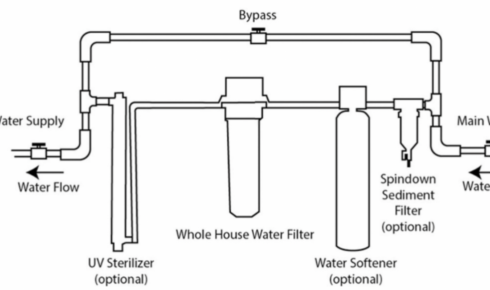
    Think of the plumbing diagram as a roadmap. It shows how hard water enters the system, passes through the resin tank where ions are exchanged, and exits as soft water into your home’s supply. It also outlines where brine, waste, and bypass lines connect — tiny details that make a big difference in how efficiently your system works.

    Breaking Down the Basic Water Softener Setup

    At its core, a water softener system has three main components:

    1. The resin tank, where ion exchange happens — this is where calcium and magnesium ions (the culprits behind hardness) are swapped out for sodium or potassium ions.
    2. The brine tank, which stores the salt solution used to recharge the resin.
    3. The control valve, the brain of the system, directing water flow during softening and regeneration cycles.

    Between these, you’ll find a network of pipes connecting to your main water line and drain. A good water softener plumbing diagram helps visualize this relationship. It’s not just a sketch; it’s a functional map that explains which direction water flows, how pressure is maintained, and where maintenance points are located.

    The Role of Bypass Valves and Shutoffs

    If you’ve ever needed to service or replace your softener, you know how critical the bypass valve is. It lets water flow through your home even when the softener is offline. A bypass valve is typically marked on diagrams with a simple loop or valve symbol — something you’ll appreciate when troubleshooting or performing a salt clean.

    Adding shutoff valves on both sides of the system is another best practice shown in diagrams. This lets you isolate the softener without cutting water to the entire house. It’s one of those small details that saves time and frustration later.

    Getting to Know the Drain Line

    One of the most overlooked — but crucial — parts of your system is the drain connection. Every regeneration cycle flushes minerals out of the resin bed, sending wastewater through a drain line. And that’s where a water softener drain diagram becomes essential. It shows where the line runs, the air gap location (to prevent backflow), and how far it needs to be from the floor drain.

    If your drain is installed incorrectly, your system could back-siphon contaminated water — or worse, flood your utility room. The diagram helps ensure proper slope, connection type, and distance from the softener, keeping everything safe and up to code.

    Installation Insights You Shouldn’t Ignore

    Whether you’re installing a new softener or replacing an old one, the diagram serves as a visual checklist. It helps verify that:

    • The incoming water supply connects before the heater.
    • The outlet leads to your home’s cold water line.
    • The brine line is secure and airtight.
    • The drain connection maintains the required air gap.

    Following these details prevents leaks, pressure issues, and premature equipment wear. Even professional installers refer to these diagrams — they act like a blueprint for doing things right the first time.

    DIY Troubleshooting Made Simpler

    Let’s say you wake up one morning and notice your water suddenly feels hard again. Maybe it’s a salt bridge, maybe a resin clog — or maybe a misaligned connection. With your diagram on hand, tracing the issue becomes ten times easier. You’ll understand which valve to check, which hose to inspect, and where to test for flow interruptions.

    Having that visual reference gives you confidence. It’s like having a guidebook written in the language of plumbing, one that turns what could be a confusing tangle of pipes into a clear, logical setup.

    The Comfort of Knowing How It All Works

    Most people don’t need to become water softener experts. But a little knowledge goes a long way. Understanding your water softener piping diagram isn’t about memorizing every line — it’s about grasping how each part supports the next. That understanding helps you maintain your system better, save money on service calls, and extend the life of your unit.

    And when you finally see how water enters, softens, drains, and cycles back — it’s kind of satisfying. You realize that something so everyday as turning on the tap involves a smart, quiet process behind the scenes, one that’s keeping your home healthier and your appliances happier.

    Wrapping It Up

    If you’ve never looked at your system’s schematic before, now’s a good time. Whether it’s a printed guide from your manufacturer or a sketch made during installation, keep it handy. It’s your quick reference when things get confusing — a visual translation of how your home stays free of scale and mineral buildup.

    Next time your softener regenerates at midnight and you hear that quiet whirring sound, you’ll know exactly what’s happening. Water’s flowing, ions are trading places, and your household is getting that silky, soft water you’ve come to love — all thanks to a little setup you can now actually understand.

    Because sometimes, the beauty of modern comfort isn’t just in the result — it’s in understanding the simple, brilliant design that makes it all work.

  • Why a Good RO System Matters More Than You Think

    Why a Good RO System Matters More Than You Think

    There’s something almost poetic about turning on the tap and expecting clean, crisp water to flow out. For most of us, it’s such a casual act that we hardly pause to consider the engineering, care, and technology that make it possible. Yet, in many households, the quality of water isn’t just a luxury—it’s directly tied to health, comfort, and even long-term savings. This is where reverse osmosis quietly steps in, not with fanfare, but with dependable precision.

    Understanding the Basics of Reverse Osmosis

    Reverse osmosis, often shortened to RO, works a bit like a backstage crew at a theater show. You don’t see them, but they make the entire performance happen flawlessly. Water is pushed through a semi-permeable membrane that strips away impurities like lead, nitrates, pesticides, chlorine, and countless other substances you wouldn’t want in your glass. What you’re left with is water that tastes cleaner, feels lighter, and—most importantly—is safer.

    For families looking to make the leap, a reverse osmosis system installation isn’t just a household upgrade. It’s an investment into everyday wellness. Clean water becomes the foundation for better cooking, clearer coffee and tea, healthier skin, and fewer bottled-water purchases cluttering up the recycling bin.

    Why EcoWater Stands Out

    There are plenty of brands promising pure water, but not all systems are created equal. Some are clunky, some are expensive to maintain, and others just don’t last. That’s why many homeowners in Florida are paying closer attention to specialized setups like the EcoWater of North Florida RO system.

    EcoWater has earned a reputation for reliability and innovation. These systems are engineered to deliver consistent water quality while using less waste water and energy than older models. It’s not just about purifying water—it’s about doing so responsibly. In a world that’s finally waking up to the importance of sustainability, that balance of purity and efficiency matters.

    The Overlooked Side of Water Systems: Maintenance

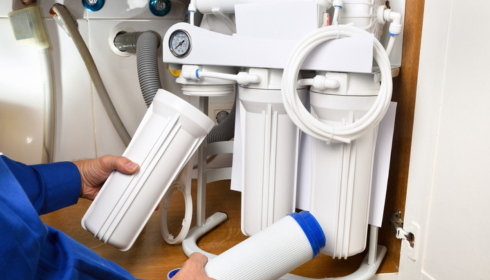
    Here’s the thing most sales brochures skip over: even the best RO system won’t serve you well if it’s neglected. Filters clog, membranes wear down, and parts need cleaning or replacement over time. Skipping maintenance is like buying a new car and refusing to ever change the oil—it’ll work fine for a while, but eventually, it’ll sputter to a halt.

    That’s why more people are searching for RO filter service near me. It’s the recognition that safe water isn’t a one-time purchase—it’s a relationship. A trusted service provider ensures that your RO system keeps performing at its peak, protecting your family and your appliances from the risks of mineral buildup or bacteria sneaking through worn-out filters.

    Everyday Benefits You’ll Notice

    One of the things people don’t always expect is how quickly they begin noticing the small improvements in daily life. Coffee suddenly tastes richer. Ice cubes look crystal clear instead of cloudy. There’s less white residue on faucets and kettles. Even your pets get the upgrade—cats and dogs often drink more when their water tastes cleaner.

    And let’s not forget the financial angle. Households that switch to an RO system often save a surprising amount by ditching bottled water. For families with kids or anyone trying to stay hydrated throughout the day, that alone makes a noticeable difference in the monthly budget.

    The Bigger Picture

    Water is one of those quiet foundations of life that we sometimes take for granted until it goes wrong. Anyone who’s ever struggled with sulfur-smelling well water, chlorine-heavy city water, or mysterious scaling on sinks and appliances knows the frustration. Safe, clean water shouldn’t feel like a privilege—it should be the baseline.

    And yet, choosing the right system can feel overwhelming. That’s why it helps to think about it less as a piece of equipment and more as part of your home’s ecosystem. A well-installed RO system blends into daily life without fuss, serving as an invisible but crucial partner in your health.

    A Thoughtful Ending

    At the end of the day, installing or upgrading an RO system isn’t about keeping up with trends or adding another gadget to the house. It’s about trust—trusting that every time you fill a glass, cook a meal, or make a cup of tea, you’re not second-guessing the quality of the water.

    Whether you’re just learning about reverse osmosis or you’ve been living with one for years, the real story is this: water quality shapes everything. And when you have the right system, properly installed and cared for, it’s one less thing to worry about in a world that already throws enough your way.

    So the next time you casually turn on the tap, remember—behind that effortless stream of water is a quiet network of technology, filters, and care. It’s more than convenience. It’s peace of mind.

  • Clean Water, Clear Choices: Why Treatment Matters More Than We Think

    Clean Water, Clear Choices: Why Treatment Matters More Than We Think

    There’s a small but undeniable comfort in pouring a glass of water and knowing it’s safe. Clear, cold, no odd taste, no strange odor—it’s something we often take for granted. But the truth is, not every home has that experience. Some people live with water that smells faintly of chlorine, or leaves spots on dishes, or tastes metallic when you least expect it. It’s easy to ignore those quirks until you realize water touches every part of daily life.

    We cook with it, wash with it, clean with it, and, most importantly, drink it. And if the quality isn’t up to par, that ripple affects everything else. That’s when people start asking the questions they usually avoid: what’s in my water, and what can I do about it?


    Why Purification Is More Than Just a Buzzword

    Purification isn’t about paranoia; it’s about peace of mind. The water flowing into your home may pass all the “acceptable” safety tests from your municipality, but acceptable doesn’t always feel ideal. Even small traces of minerals, chlorine, or sediment can build up over time—not just in your plumbing, but in your body and your appliances.

    That’s why choosing a trusted water purification company makes sense. They don’t just sell filters; they provide expertise. They know how to test, analyze, and explain what’s really happening with your supply. And when you’ve got someone who can break it down into plain English, suddenly the decision to treat your water feels less like a luxury and more like common sense.


    The Quiet Power of Residential Systems

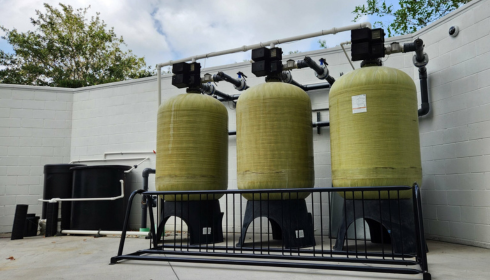
    Most people imagine treatment as something huge—big industrial machines humming in the background. But for homes, the solutions are surprisingly straightforward. From under-sink units to whole-house setups, there’s an option for nearly every budget and need.

    That’s where residential water filter systems shine. They’re designed with families in mind, giving you clean water for drinking, cooking, bathing, and everything in between. The difference shows up in small but noticeable ways: laundry that looks brighter, showers that don’t dry out your skin, even pasta that tastes a little better because you’re boiling it in water that’s actually clean.

    It’s not about reinventing your lifestyle—it’s about letting your water quietly support it, instead of working against it.


    Testing: The Step Most People Skip

    Here’s the thing: guessing at what’s wrong with your water is a bad strategy. Maybe you think you need a softener, but your real issue is chlorine. Maybe you buy a filter pitcher, but your main problem is sediment from old pipes. Without testing, you’re throwing darts blindfolded.

    That’s where water testing and treatment services make such a difference. Professionals don’t rely on assumptions—they measure. They collect samples, run them through labs, and give you data that shows exactly what’s in your glass. From there, it’s not about selling you the biggest system; it’s about tailoring solutions to the actual problem.

    It’s like going to a doctor before buying medicine—you want a diagnosis before you commit to a treatment.


    The Costs of Doing Nothing

    It’s tempting to ignore water issues, because most of them don’t feel urgent. But the costs show up slowly. Hard water shortens the life of appliances. Chlorine wears down rubber seals and gaskets. Sediment clogs water heaters and reduces efficiency. Over time, what started as a faint taste in your morning coffee can turn into hundreds of dollars in repairs or replacements.

    And then there’s health. While most contaminants don’t make you sick overnight, long-term exposure isn’t something anyone wants to gamble with. Water is the one thing you consume more than anything else—it deserves better than a shrug.


    The Personal Side of Water

    Beyond appliances and health, there’s the simple comfort factor. Treated water just feels different. Soap lathers properly. Your hair rinses clean without residue. Skin feels softer. Coffee tastes like coffee instead of pool water. These may sound like small details, but they add up to a daily quality of life that you notice, even if you can’t always put your finger on why.

    It’s the same way you don’t think about good Wi-Fi until it’s gone. Once you’ve experienced water that supports you instead of fighting you, it’s hard to imagine going back.


    Businesses Rely on It Too

    It’s not just homeowners who notice. Restaurants, cafés, hotels, even gyms—clean, consistent water is part of their reputation. Customers may not say, “Wow, the water here tastes great,” but they’ll definitely notice if it doesn’t. Coffee that tastes off, showers that feel harsh, glasses that look cloudy—these things stick in people’s minds.

    For businesses, water treatment is less about luxury and more about survival. It keeps customers happy, appliances working, and operations running smoothly.


    Why Local Knowledge Counts

    Every community has its own water story. Some areas struggle with hardness, others with chlorine, others with old infrastructure. That’s why relying on local providers makes sense—they understand the specific challenges in your area. They’ve seen it, tested it, and fixed it in homes just like yours.

    It’s not about buying the flashiest system on the market. It’s about trusting people who know your neighborhood, your water supply, and the quirks of your pipes.


    DIY vs. Professional Help

    In an era of YouTube tutorials, it’s tempting to go the DIY route. And sure, you can replace cartridges or install small filters yourself. But when it comes to diagnosing problems, setting up larger systems, or ensuring everything runs efficiently, professional expertise pays off. A poorly installed system can waste water, run inefficiently, or fail entirely—leaving you back at square one.

    Sometimes the smartest investment isn’t the equipment itself, but the peace of mind that comes from knowing it’s installed and maintained correctly.


    Wrapping It All Up: Water Worth Paying Attention To

    We obsess over new phones, new cars, even new mattresses. Yet the one thing we literally can’t live without—water—often gets overlooked. Clean water isn’t about luxury. It’s about health, comfort, and protecting the systems that keep your home running.

    Whether it’s through purification companies, residential filters, or testing and treatment services, the path to better water isn’t complicated. It just requires paying attention. And once you do, you’ll wonder why you waited so long.

    Because in the end, water doesn’t just flow through pipes—it flows through every part of your life. And it’s worth making sure it’s the best it can be.

  • Breathing Easier at Home: Real Stories About Purification, Costs, and Comfort

    Breathing Easier at Home: Real Stories About Purification, Costs, and Comfort

    Clean air and safe water don’t usually sit at the top of a person’s to-do list—until they do. Maybe it’s when you notice that faint musty smell lingering in the living room, or when your kid starts sneezing more often than seems normal. It’s in those small, quiet moments when you realize the invisible stuff in your home can make a big difference. That’s where the whole conversation around air and water purification gets real. It’s not about fancy gadgets—it’s about how these systems weave into your daily life and whether they’re worth the investment.


    The Price of Purity

    Let’s talk about the elephant in the room: cost. Most people hesitate before calling a professional because they assume it’ll drain the wallet. And honestly, sometimes it can feel that way. But when you break it down, the investment isn’t just about the system—it’s about the impact on your health and comfort over years.

    For families in Tennessee, the TN Water & Air purification cost often varies depending on the size of the home, the kind of system installed, and the specific contaminants being filtered. A small home may need a modest setup that filters out chlorine and sediment, while larger properties or older buildings might demand advanced filtration or whole-house systems. It’s like buying shoes—you wouldn’t get the same pair for a jogger as you would for someone working construction. The needs dictate the price, and the value reveals itself over time when you’re breathing easier and your tap water tastes like, well, water.


    When the Machine Breaks Down

    Here’s a scenario many folks know too well: you’ve invested in a purifier, it runs fine for months, and then one day it sputters. Maybe the air doesn’t smell as fresh, or the water suddenly has that odd metallic aftertaste again. It’s frustrating. That’s the moment you go hunting for help and discover there’s an entire industry around fixing these systems.

    An air purifier repair service can feel like a lifesaver in these moments. The good ones don’t just swap out filters; they inspect, clean, and reset the whole setup. Sometimes they’ll even give you tips on how to extend the lifespan of the system, which is gold for anyone not looking to replace equipment every couple of years. In truth, repairs are part of the long game. If you’re treating purification like a one-and-done purchase, you’ll eventually get burned. Think of it like owning a car—you wouldn’t skip oil changes and expect it to run smoothly forever.


    The Little Rooms That Matter

    Not every solution has to be industrial-sized or involve cutting into walls. For people living in apartments, condos, or older houses with small bedrooms and offices, compact purifiers are often the sweet spot. They’re easy to install, they run quietly, and they can be surprisingly effective at cutting down dust, pet dander, or seasonal pollen.

    I remember visiting a friend’s studio apartment last spring—windows wide open, air thick with pollen, and his allergies going off the rails. A week later, he called a small room air purifier installer, and by the time I came back, the difference was night and day. His sneezing fits calmed, the air didn’t feel heavy, and he could actually sleep without tissues by the bedside. These smaller units are proof that you don’t need a giant system to see results—you just need the right fit for your space.


    The Human Side of the Story

    Purification systems aren’t glamorous. They don’t get “unboxing” videos like new smartphones or Instagram reels with shiny cars. But if you talk to someone who’s struggled with asthma, allergies, or bad tap water, you’ll hear stories that are anything but boring. Parents often share how their child’s breathing improved within weeks of installing a new system. Elderly homeowners say it gives them peace of mind knowing their water isn’t tainted with harmful chemicals. These aren’t marketing pitches; they’re lived experiences.

    It’s also worth noting the subtle lifestyle changes. A better night’s sleep, less dusting around the house, fewer trips to the doctor for sinus infections—it all adds up. Suddenly, the price tag doesn’t seem so intimidating when you see the ripple effect on daily life.


    Do-It-Yourself vs. Professional Help

    Of course, in the age of YouTube tutorials, many homeowners wonder if they can handle installation and upkeep themselves. And in some cases, yes, you absolutely can. Replacing a filter, cleaning out a basic system, or plugging in a small purifier isn’t rocket science. But when it comes to larger systems—especially those connected to plumbing or HVAC—it’s usually smarter to let the pros handle it.

    DIY mistakes can lead to leaks, electrical issues, or just ineffective performance. And then you’re not just out the cost of the unit—you’re paying double to repair the damage. Professionals don’t just bring tools; they bring years of experience and the kind of subtle know-how you can’t get from a five-minute tutorial.


    Balancing the Budget and the Benefits

    Every homeowner faces the same balancing act: how much to spend upfront versus what it’ll save or improve over time. Some treat purification as a luxury; others see it as a necessity, especially in regions with older infrastructure or heavy seasonal allergens. The truth lies somewhere in between.

    If you’re on a tight budget, start small—maybe a portable unit for the room you spend most time in. If you’ve got more flexibility, investing in a whole-house water filter or high-end purifier can reduce long-term health costs and even extend the life of your appliances by keeping sediment out of pipes. In that sense, purification becomes less of a sunk cost and more of an investment in the hidden details of home life.


    Looking Ahead

    Technology in this space keeps evolving. What used to be clunky, noisy machines are now sleek, whisper-quiet devices with smart features. Some systems sync with apps, letting you track air quality in real time. Others adjust automatically based on the pollutants they detect. The future is clearly pushing toward convenience and efficiency, but the core purpose remains the same: to make your home safer and more comfortable.

    And that’s really the whole point. Whether you’re considering a big installation, repairing a unit that’s acting up, or just adding a compact purifier for your kid’s room, the motivation is universal—you want peace of mind. You want to know that the air and water you rely on every single day are doing you good, not harm.


    Final Thoughts

    At the end of the day, purification is one of those decisions that sits quietly in the background of life. Nobody brags about their new filter at a dinner party, but you’ll feel the difference when you’re not coughing, when your glass of water tastes crisp, and when your kids can breathe easier during allergy season.

    The choices—costs, repairs, installations—can feel overwhelming at first. But remember, you don’t have to figure it all out at once. Start small if you need to, ask questions, lean on professionals when it makes sense. What matters most is that you take steps, however gradual, toward making your home healthier. Because in the end, the air you breathe and the water you drink aren’t luxuries. They’re the foundation of daily living.

  • Keeping Ice Machines Clean and Reliable: Why Water Filtration Matters More Than You Think

    Keeping Ice Machines Clean and Reliable: Why Water Filtration Matters More Than You Think

    Walk into almost any restaurant, hotel, or café, and you’ll hear it—the steady hum of an ice machine doing its job behind the scenes. It’s one of those pieces of equipment that rarely gets the spotlight, yet when it fails, it’s instantly noticeable. Drinks taste off, machines slow down, and suddenly, something as simple as ice becomes a customer complaint. The culprit? More often than not, it’s the water.

    Ice machines live and die by the quality of water running through them. Minerals, sediment, chlorine, even microscopic bacteria—when these go unfiltered, they shorten equipment life and mess with the taste of the ice. That’s where proper water filtration steps in, and honestly, it’s the unsung hero of every reliable machine out there.

    The Hidden Costs of Bad Water

    If you’ve ever pulled cloudy, bad-tasting ice from a bin, you already know the story. Hard water builds scale inside the system, chlorine leaves a chemical aftertaste, and unseen microbes can sneak into cubes. It’s not just about aesthetics—it’s about performance and safety.

    Think about it: ice is food. Customers might not think about it, but the FDA does. Serving dirty ice is no different than serving undercooked meat. And while the health risks grab attention, the slow, creeping damage to the machine itself might actually hurt your business more in the long run. Scaling forces compressors to work harder, water lines clog, sensors fail. Repairs pile up, and sooner or later, you’re replacing an entire machine that could’ve lasted years longer with proper care.

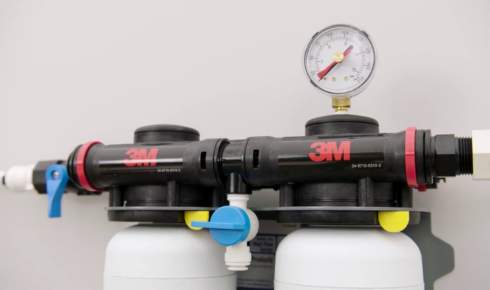
    It sounds dramatic, but this is exactly why so many operators are turning to dependable systems like Clean H2O Pros ice machine filters. They’re not just about keeping cubes clear—they’re about protecting an investment and avoiding the headaches that come when water quality gets overlooked.

    What Filtration Actually Does (Beyond the Basics)

    A lot of people assume water filters are just about taste. And yes, taste is a huge factor—nobody wants their soda tasting faintly like chlorine. But filtration is much more than that.

    A good filter is designed to handle several enemies at once:

    • Sediment and dirt that cloud cubes and clog valves.
    • Chlorine and chemicals that leave behind odd flavors or odors.
    • Minerals like calcium and magnesium that build scale.
    • Microbes that slip through untreated water sources.

    By capturing these, filters don’t just improve what the customer experiences—they reduce stress on the machine itself. Pumps don’t strain as much, sensors stay clean, and ice production stays steady. It’s a chain reaction, and when it works right, you hardly notice because everything runs smoothly.

    This is exactly why businesses invest in commercial ice machine water filtration systems. They’re not glamorous, but they’re like insurance. The upfront cost pays for itself the first time you skip a major repair call or avoid a weekend where the machine dies during peak service.

    The Arizona Factor: Hard Water in Action

    Now, let’s talk about geography for a second. Where you operate plays a huge role in how your machines behave. Arizona, for example, is notorious for some of the hardest water in the country.

    High mineral content isn’t just a minor nuisance—it’s a full-blown problem for equipment. Scale builds up quickly, and once it takes hold, it’s tough to remove without costly deep cleaning. That’s why local businesses are especially dependent on tailored solutions like commercial ice machine water filtration Arizona providers offer.

    It’s not just about having a filter. It’s about having the right filter for the region’s unique challenges. The water quality in Phoenix is wildly different from Tucson or Flagstaff, and professionals in the state know how to match filtration systems to those quirks. It’s the difference between a machine limping along for three years and one lasting well over a decade.

    Maintenance: The Overlooked Step

    Here’s the thing nobody wants to admit: even the best filter won’t save you if you forget about it. Filters need changing. Maintenance schedules exist for a reason.

    A dirty filter doesn’t just stop working—it becomes a breeding ground for bacteria and forces the system to push harder, which ironically does the opposite of what you wanted in the first place. The best operators set reminders, log service dates, and treat filtration like oil changes in a car.

    And yet, because ice machines often hum away in the background, they’re easy to forget. Out of sight, out of mind. Until one day, cubes come out gray, and you’re calling a service tech at 10 PM. Preventive care saves that late-night panic.

    Customers Notice More Than You Think

    Some operators underestimate how much customers pay attention. Truth is, they do notice. They notice when the ice in their cocktail is cloudy. They notice when soda tastes “off” because chlorine is sneaking through. They definitely notice when there’s no ice at all.

    Hospitality is about details, and ice plays a quiet but powerful role in perception. Clean, clear ice says: we care about quality. Dirty, foul-tasting ice says: we cut corners. It’s that simple.

    Investing in proper filtration isn’t just about keeping health inspectors happy—it’s about keeping customers comfortable.

    Choosing the Right Solution

    So how do you pick the right system? It starts with knowing your machine size, your water quality, and your volume needs. A café making a few dozen pounds of ice a day has very different needs from a hotel serving thousands of guests.

    That’s where local professionals matter. They test water, check hardness, and recommend systems that match the exact environment. Going generic might save a few dollars upfront, but the wrong filter is basically the same as no filter at all.

    Working with a trusted provider makes the difference, especially in areas with specific challenges like Arizona. You’re not just buying a filter—you’re buying expertise and support.

    A Long-Term View

    At the end of the day, filtration isn’t about quick fixes. It’s about setting your machine up for long-term success. Think about it like health: a balanced diet and exercise prevent bigger problems later on. Water filtration does the same for ice machines.

    It’s easy to ignore until there’s a problem, but by then, it’s too late. Smart businesses treat it as essential infrastructure. They schedule filter changes like clockwork, invest in quality systems, and view it as part of the cost of doing business—because in truth, it is.

    Final Thoughts

    Ice machines may not get much glory, but they’re the backbone of countless operations. Protecting them starts with water, and water quality starts with proper filtration.

    Whether you’re running a small café, a busy hotel, or a sprawling restaurant, the message is the same: filtration is not optional. It’s the line between reliable service and constant frustration.

    So the next time you hear that quiet hum in the back, remember—it’s not just a machine. It’s a system depending on clean, well-filtered water to keep your business running smoothly. And with the right filtration plan, it’ll do exactly that for years to come.

  • Staying Cool in Laughlin: Why Reliable HVAC Service Makes All the Difference

    Staying Cool in Laughlin: Why Reliable HVAC Service Makes All the Difference

    There’s something about the desert heat in Laughlin that makes you appreciate air conditioning on a whole new level. When the sun is blazing down on the Colorado River and the asphalt feels like it’s melting under your shoes, stepping inside a cool room can feel like stepping into paradise. But, as anyone living here knows, that comfort doesn’t just magically appear. It’s the result of a system that works hard day after day — and the folks who know how to keep it running.

    If you’ve ever dealt with a sputtering AC unit during a July heatwave, you know how stressful and even dangerous it can be. That’s why having a trusted local service isn’t just convenient — it’s essential. Let’s talk about what makes HVAC care in Laughlin unique, why it’s not something to put off, and how the right company can make your life a whole lot easier.


    The Unforgiving Laughlin Climate

    Unlike other parts of the country, Laughlin doesn’t just flirt with high temperatures — it dives right into triple digits and stays there for months. This climate puts incredible stress on cooling systems, far more than many people realize.

    Your air conditioning isn’t just cooling the air; it’s fighting off relentless outdoor heat, sand, and sometimes even power fluctuations. That combination means maintenance here is not a luxury, it’s survival. A quick call for air conditioning service Laughlin can be the difference between a quick tune-up and a major system breakdown that leaves you scrambling for hotel rooms until the parts arrive.


    More Than Just Repairs

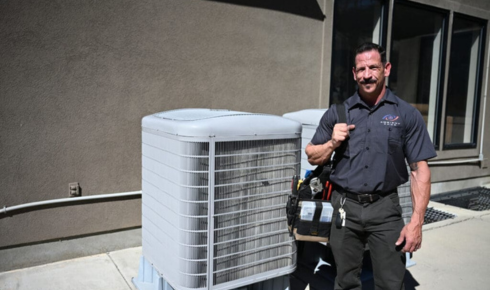
    A lot of people think HVAC technicians only show up when something breaks. But the best companies are proactive. They check refrigerant levels, clean coils, inspect ductwork, and make sure your thermostat isn’t working against you. Regular maintenance may not sound glamorous, but when it saves you from a midnight breakdown, you’ll be glad you booked it.

    Think of it like taking care of a car. You wouldn’t drive thousands of miles without changing the oil, right? Your AC system deserves the same kind of attention, especially when it’s running nearly nonstop through the summer.


    Choosing the Right HVAC Partner

    Here’s where it gets tricky: not all companies are created equal. Some might offer cheap prices but cut corners, while others may overpromise and underdeliver. What you really want is balance — fair pricing, skilled technicians, and honest communication.

    Finding the best HVAC company Laughlin isn’t about flashy advertising; it’s about reputation and reliability. Ask neighbors, check reviews, and look for signs that a business values long-term customer relationships instead of just quick profits. In a small community like this, word of mouth carries a lot of weight.


    When Repairs Can’t Wait

    There are times when patience simply isn’t an option. Imagine your AC quitting at 6 p.m. on a 115-degree day, right when the house is packed with family visiting from out of town. You can try fans, ice water, and wet towels, but nothing compares to cold air flowing from the vents.

    That’s why emergency repair services are so important. Companies that can dispatch technicians quickly, even outside normal business hours, are lifesavers in this environment. And while repairs can sometimes feel costly, the peace of mind of getting your home back to livable conditions is priceless.


    The Local Advantage

    There’s another thing worth mentioning: local knowledge matters. Laughlin may not be as big as Las Vegas, but it has its quirks. Power usage spikes, hard water issues, and desert dust storms all affect how HVAC systems run here. A company that knows these challenges inside and out will be better prepared to prevent problems before they start.

    For example, dusty conditions mean filters clog faster. A technician who understands this might recommend more frequent filter changes or even special filters designed for desert environments. That kind of insight only comes from working in the area year after year.


    Comfort Beyond Cooling

    We tend to focus on AC because of the extreme summer heat, but HVAC systems do more than cool. They also handle heating (yes, Laughlin nights can get chilly in winter), ventilation, and overall air quality. If you’ve noticed allergies flaring up, strange odors from vents, or uneven temperatures from room to room, your system might be trying to tell you something.

    Good service providers will treat your home as a whole, not just a machine. They’ll check air circulation, humidity levels, and even energy efficiency. After all, nobody likes sky-high power bills, especially when they could be lowered with a few simple adjustments.


    A Case for Long-Term Relationships

    Here’s something people don’t always think about: sticking with one company over time can actually save you money and headaches. When technicians know your system’s history, they can spot issues earlier and give better advice. You don’t have to explain the same problems again and again, and they already know what parts your system tends to need.

    That consistency can build trust, and in a place where AC truly is a lifeline, trust is everything. A good service relationship feels less like a transaction and more like having a reliable partner who’s invested in your comfort.


    A Community That Depends on Cool Air

    Laughlin is a town that thrives on tourism and hospitality. Hotels, casinos, and restaurants all depend on reliable cooling systems to keep guests happy. But even beyond the big businesses, everyday families need that same reliability. The stakes are higher here than in cooler climates — comfort can quickly turn into safety.

    This is why services like River Valley AC Repair Laughlin stand out. They’re not just fixing machines; they’re keeping households, businesses, and even visitors safe in extreme weather. When you think about it that way, HVAC technicians are a lot like unsung heroes of desert living.


    Wrapping It Up

    Air conditioning may not be glamorous, but in Laughlin, it’s nothing short of essential. From routine maintenance to emergency repairs, having the right people on your side makes all the difference.

    If you live here, don’t wait until your system gives out in the middle of a scorching afternoon. Take time to build a relationship with a trusted local company, get those regular checkups, and treat your HVAC system with the respect it deserves.

    Because in a place where summer heat can feel like an unrelenting furnace, staying cool isn’t just about comfort — it’s about quality of life. And that, at the end of the day, is worth every ounce of care you put into it.