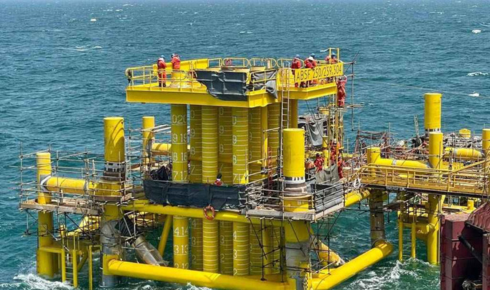
Offshore work leaves no room for error. Before any installation or drilling begins, teams need to understand what lies beneath the surface. That is where advanced marine surveys come in.
These surveys help operators study seabed conditions, detect risks, and plan operations with more clarity. Without them, decisions taken can be based on only assumptions. And in offshore environments, that can be costly.
What Actually Happens During a Survey?
A modern marine survey vessel is not just a support ship. It’s packed with equipment that reads the seabed in detail.
Teams use sonar to map depths. Positioning systems to stay precise. And real-time data tools to catch anything unusual as it appears.
Sometimes the findings are straightforward. Sometimes they are not. A slight shift in seabed levels or an unexpected obstruction can change the entire plan. That’s why this step matters.
Why Does It Become Critical in Offshore Projects?
In oil and gas engineering, decisions depend on what the data says. Where to drill. How to place structures. What risks might show up later?
Survey teams usually don’t work alone. They often coordinate with a consultant in oil and gas industry to interpret findings properly. Raw data is useful, but only when someone connects it to real-world conditions.
Supporting Safer Decisions for Offshore Operators
For many offshore companies in Mumbai, surveys are not treated as a formality. They are part of planning. Good survey data helps teams:
- Plan installations with more confidence
- Avoid rework later
- Reduce unexpected downtime
Not every issue shows up immediately. But when surveys are done well, most of them don’t turn into bigger problems later. Navitera works with offshore teams to make sense of survey data and align it with real project needs, so decisions are not rushed, and operations stay on track.