

There’s a certain moment every winter—or even early spring—when you realize your home is doing more than just keeping you warm. It’s quietly fighting off the elements. And sometimes, despite its best effort, something underneath gives in.
You might not notice it right away. A faint drop in pressure. A strange ticking sound in the walls. Or that uneasy feeling when the temperature swings from freezing nights to mild afternoons in just a few days.
That’s where things begin—not with a dramatic burst, but with subtle shifts that hint at something deeper going on.
The Quiet Stress of Seasonal Changes
Water is simple, until it isn’t. It freezes, expands, contracts—basic science, right? But inside your home’s plumbing system, those small changes can create a surprising amount of stress.
Pipes expand and shrink. Joints loosen ever so slightly. Tiny cracks form where there once were none.
And when temperatures bounce back and forth, that cycle repeats. Again and again.
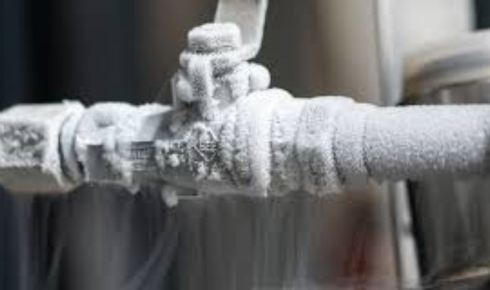
This is exactly why freeze/thaw damage solutions have become such an important part of modern plumbing conversations. Not because the problem is new—but because more homeowners are starting to recognize how quietly destructive these cycles can be.
It’s not always about dramatic failures. Sometimes it’s slow wear. A gradual weakening that only shows itself months later, when the connection finally gives way.
When Something Feels “Off” But You Can’t Explain It
Here’s the tricky part—plumbing issues rarely announce themselves clearly. They don’t come with labels or neat explanations.
Instead, you get hints.
Water pressure that dips at odd times. Pipes that sound different when you turn on the tap. Maybe even a faint dampness where everything should be dry.
This is where pipe troubleshooting becomes less about technical skill and more about observation. Paying attention to patterns, noticing small changes, trusting that instinct that says, “This wasn’t like this before.”
You don’t have to diagnose the issue yourself. But recognizing that something isn’t quite right? That’s half the battle.
And often, catching these early signs can prevent much larger problems down the line.
Why Some Problems Seem to Appear Out of Nowhere
It’s easy to feel like plumbing issues come out of nowhere. One day everything works, the next day it doesn’t.
But in reality, most problems have been developing quietly for a while.
That small crack caused by temperature stress? It didn’t form overnight. It grew, slowly, under pressure. The weakened joint? It held on as long as it could—until it couldn’t anymore.
Understanding this doesn’t just explain what happened—it changes how you respond. Instead of seeing it as a sudden failure, you start to see it as part of a longer process.
And that perspective matters. Because it shifts the focus from panic to problem-solving.
The Value of Experience When Things Get Complicated
When issues move beyond the surface, experience becomes more than just a nice-to-have. It becomes essential.
That’s where repair experts come into the picture—not just to fix what’s broken, but to understand why it broke in the first place.
There’s a difference between patching a problem and actually resolving it. And that difference often comes down to insight.
Someone who’s seen similar situations before can recognize patterns quickly. They know where to look, what to test, and how to approach the issue without unnecessary guesswork.
It’s not about complexity. In fact, the best solutions often feel surprisingly straightforward—because they’re based on a clear understanding of the system.
Small Steps That Make a Bigger Difference Than You Think
Not every homeowner wants to think about plumbing on a regular basis—and that’s completely fair. It’s not exactly the most exciting topic.
But a little awareness goes a long way.
Insulating exposed pipes. Keeping an eye on unusual changes. Scheduling occasional inspections, especially after extreme weather shifts. These aren’t big, time-consuming tasks. But they can prevent a lot of stress later on.
It’s less about constant vigilance and more about staying lightly tuned in.
Why Timing Can Change Everything
One of the biggest differences between a manageable repair and a major project often comes down to timing.
Addressing an issue early—when it’s still contained—usually means simpler solutions, less disruption, and lower costs.
Waiting, on the other hand, allows the problem to evolve. And once it spreads, the options tend to become more limited.
That’s not meant to create urgency where there isn’t any. Just a reminder that small problems rarely stay small forever.
A System That Works Best When You Don’t Notice It
At its best, your plumbing system is invisible. It does its job quietly, supporting your daily routine without drawing attention.
You turn on the tap. Water flows. You move on.
And maybe that’s why it feels so unsettling when something changes. Because suddenly, something that was always there—but never noticed—becomes impossible to ignore.
Final Thoughts That Feel Like a Gentle Nudge
If there’s one takeaway from all of this, it’s simple: pay attention to the small things.
Not with worry or overthinking—but with awareness.
A slight change in sound. A shift in pressure. A feeling that something isn’t quite right. These are your home’s way of communicating, in its own quiet language.
And when you listen early, you give yourself the chance to respond before things escalate.
Because in the end, the goal isn’t just to fix problems—it’s to keep everything running smoothly enough that you don’t have to think about it at all.

