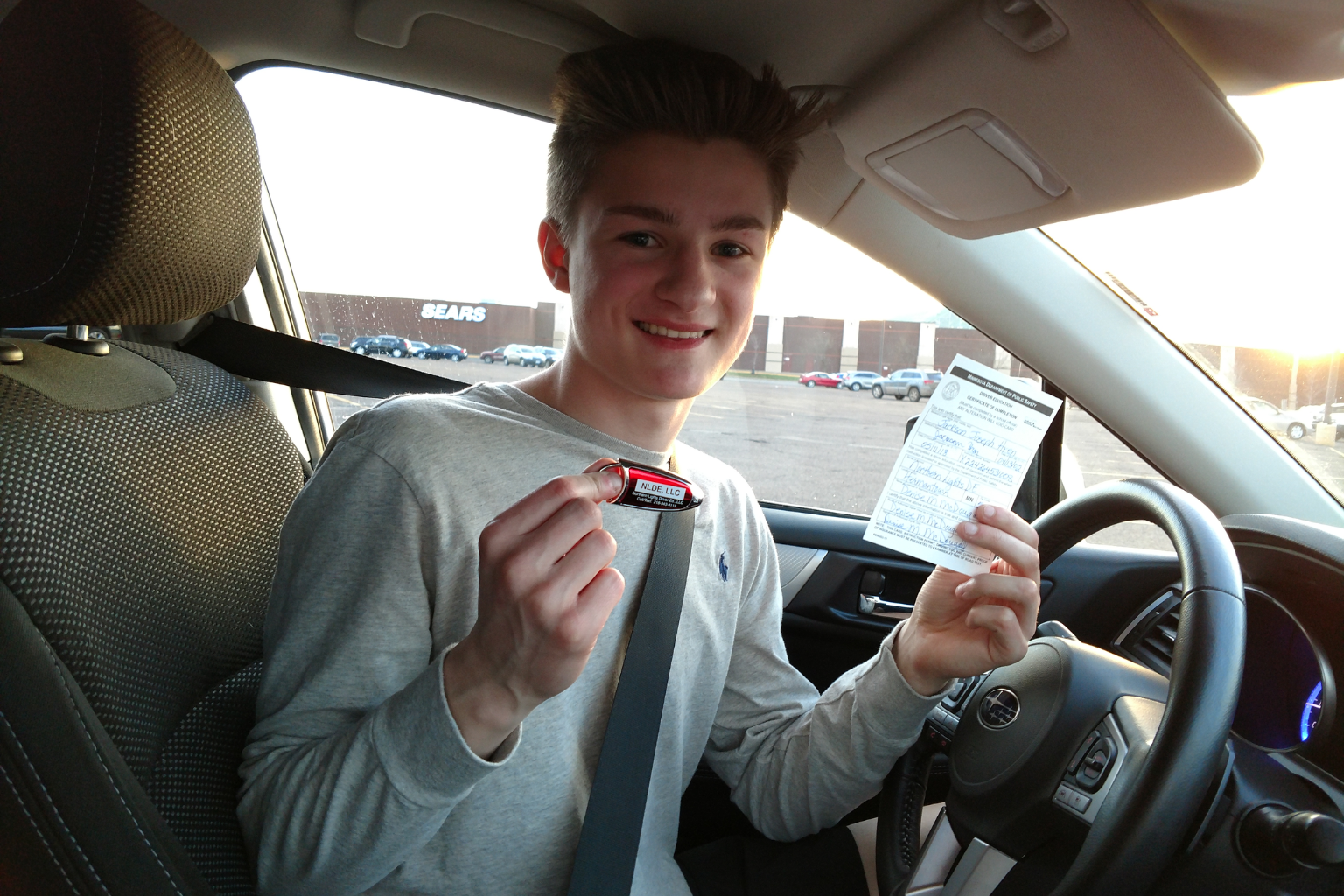
There’s something oddly underestimated about the early phase of learning to drive. Everyone talks about the thrill of being on the road, the first solo drive, that quiet sense of independence—but very few talk about what comes before all of that.
The waiting. The studying. The uncertainty.
That permit test sitting quietly in the background, asking you to prove you understand the rules before you’re trusted with the responsibility. And if you’ve ever sat with a booklet full of road signs thinking, “I’ll just skim this,” you probably already know—it’s not that simple.
Why the Written Part Feels Harder Than Expected
You’d think memorizing traffic rules would be straightforward. But it’s not just about remembering facts. It’s about understanding situations.
What do you do at a four-way stop when two cars arrive at the same time? How do you react when visibility drops suddenly? Why does a seemingly small sign matter so much?
This is where knowledge test prep becomes less about cramming and more about comprehension. When you actually understand why a rule exists, it sticks differently. It stops being a line in a book and starts feeling like something you’ll use.
And strangely enough, once you shift your mindset that way, studying feels less like a chore and more like a quiet rehearsal for real-life decisions.
Studying Alone vs Learning With Guidance
A lot of learners start off on their own. Watching videos, reading guides, maybe taking a few mock tests late at night. It works, to an extent. But at some point, questions creep in.
“What if I’m misunderstanding this?”
“Why does this rule seem different in another example?”
That’s where virtual tutoring has quietly changed the game. Instead of guessing, you can actually ask. Clarify. Discuss real scenarios with someone who’s seen it all before.
And because it’s flexible, you’re not stuck in a classroom setting. You learn at your own pace, in your own space—which, for many people, makes a big difference. Less pressure. More focus.
The Gap Between Knowing and Being Ready
Here’s something most learners don’t realize right away: knowing the material doesn’t automatically mean you’re ready for the test.
You might recognize every sign, understand every rule, and still feel unsure when faced with a timed exam. That’s because readiness isn’t just about knowledge—it’s about confidence under pressure.
Building true permit exam readiness means practicing in conditions that feel real. Timed quizzes, mixed questions, even revisiting mistakes instead of skipping past them.
It’s a bit like rehearsing for a performance. You’re not just learning the lines—you’re learning how to deliver them when it counts.
The Mental Game No One Talks About
There’s a quiet kind of anxiety that comes with tests like these.
Not overwhelming, but persistent. A small voice that says, “What if I mess this up?” Even when you’ve studied enough.
And the truth is, that feeling doesn’t completely go away. But it does become manageable.
One way to handle it is by normalizing mistakes during practice. Getting questions wrong when you’re learning isn’t failure—it’s feedback. It shows you where to focus, where to slow down, where to revisit.
Over time, those weak spots shrink. And with that, the anxiety softens too.
Turning Information Into Instinct
The goal isn’t to memorize everything perfectly. It’s to reach a point where your responses feel natural.
You see a situation described in a question, and instead of overthinking it, you just know what makes sense. Not because you memorized the answer, but because you understand the logic behind it.
That’s when learning becomes instinctive.
And interestingly, that instinct carries forward when you eventually start driving. You’re not just reacting—you’re recognizing patterns.
Why Rushing the Process Backfires
It’s tempting to rush through this stage. To treat it like a hurdle you just need to clear so you can get to the “real” part—driving.
But skipping steps here often creates gaps later.
If you don’t fully understand right-of-way rules, for example, those uncertainties show up on the road. If you haven’t internalized basic safety principles, they don’t magically appear when you’re behind the wheel.
Taking a bit more time now saves a lot of confusion later.
Small Wins That Build Momentum
Progress in this phase isn’t always obvious. There’s no engine sound, no movement, nothing tangible.
But it’s there.
The first time you score higher on a mock test. The moment a tricky concept finally makes sense. The realization that you’re no longer second-guessing every answer.
These are small wins, but they matter. They build momentum, quietly pushing you forward.
The Day of the Test
When test day arrives, it rarely feels like you’re completely ready. There’s always that slight doubt lingering.
But here’s the thing—you don’t need to feel perfect. You just need to be prepared enough.
Take your time. Read questions carefully. Trust your understanding rather than overanalyzing.
And if you’ve done the work—and you probably have—you’ll find that the answers come more naturally than you expected.
Final Thoughts
The permit stage isn’t the most exciting part of learning to drive. It’s slower, quieter, sometimes even frustrating.
But it’s also foundational.
It shapes how you think about the road before you ever step onto it. It builds habits that stay with you long after the test is over.
So if you’re in the middle of it right now, flipping through notes or taking another practice quiz, don’t rush it.
This part matters more than it seems.
Because one day, when you’re driving confidently without thinking too much about every decision, you’ll realize—it all started here.