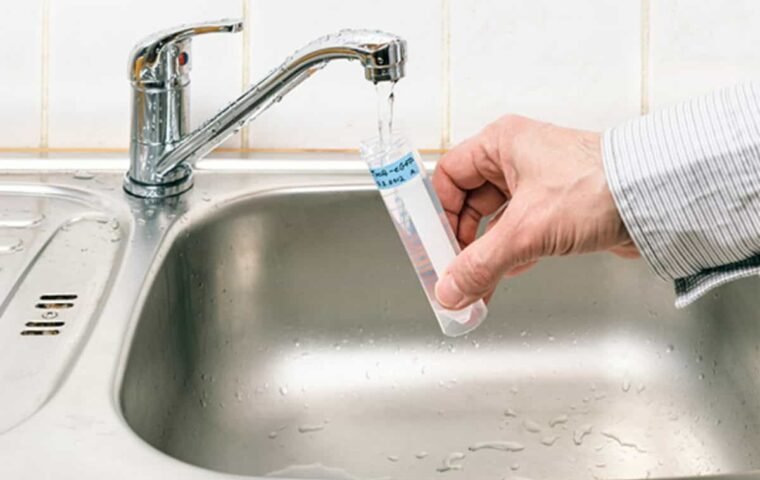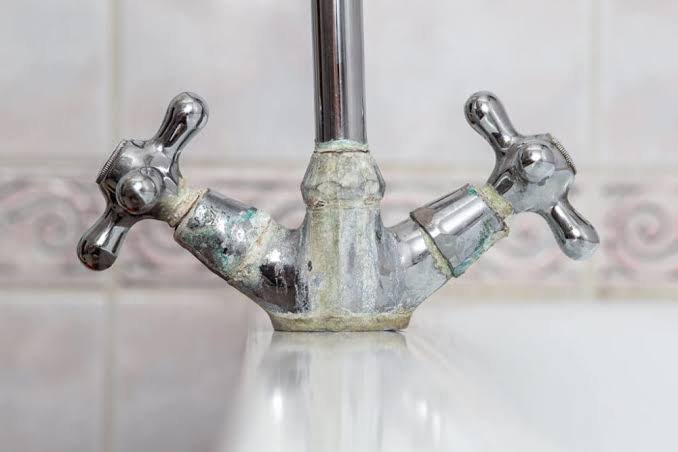
Most of us don’t spend much time thinking about the water we use every day. It flows, it’s there, and it (usually) does what it’s supposed to do—until, of course, it doesn’t. You know the signs: your skin feels drier, dishes come out with spots, and that luxurious shampoo lather suddenly turns to a sad drizzle.
If you have a water softener, there’s a good chance the problem isn’t with the unit itself, but with something far simpler—the water softener salt container that quietly sits beside it.
It might not be the flashiest part of your water system, but it’s definitely one of the most important.
What the Salt Container Actually Does (And Why It Matters)
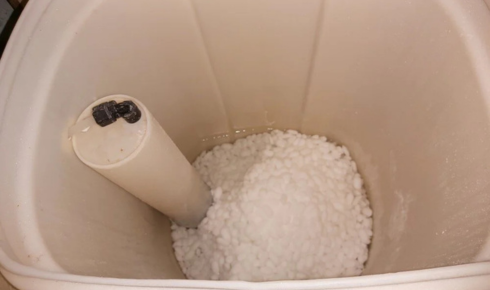
That big plastic tank you often overlook is more than just a bin of salt—it’s a critical part of how your water softener functions. Its main job? Holding the salt that creates the brine solution, which is essential to regenerate the softener’s resin beads.
Without that regeneration process, your softener can’t remove hardness minerals like calcium and magnesium from your water. That means you’re not just risking the quality of your water—you’re risking the lifespan of your appliances, pipes, and plumbing, too.
And all of it starts in the salt container.
A Quick Breakdown of How It All Works
A typical water softener with brine tank operates in cycles. As water passes through the system, it flows over resin beads that capture hardness minerals. But those beads need to be cleaned every so often—this is called regeneration.
Enter the salt tank. When the softener initiates a regeneration cycle, it pulls water into the salt container to create a brine solution. That salty mixture then flushes through the resin beads, cleaning off the minerals so the softener can keep doing its job.
No brine = no cleaning = no soft water.
It’s a simple system in theory, but one that depends heavily on proper maintenance—and, let’s be honest, how often do most of us check that tank?
Common Problems That Start in the Salt Tank
You might not think a plastic tank of salt could cause much trouble, but when something goes wrong, it ripples through your entire home. Here are a few signs to watch out for:
- Salt bridging: When a hard crust forms above the salt, creating a hollow space underneath. The system thinks there’s salt, but it can’t dissolve properly.
- Salt mushing: When the salt breaks down into a sludge that clogs the bottom of the tank, preventing water from forming brine.
- Overflowing or leaking tanks: Usually due to clogged valves or improper drainage.
- Stagnant water smells: A sign that the tank hasn’t been properly flushed or has sat idle too long.
These are issues that often go undetected until your water quality drops. But with regular checks, they’re easy to catch—and even easier to prevent.
Choosing the Right Salt Tank Setup
Not every softener setup is created equal. Some systems use a combined unit, while others have a separate brine tank. The best choice often depends on your household’s water usage, space, and budget.
If you’re in the market for a new system, or considering an upgrade, make sure you get a water softener salt tank that’s appropriately sized. Bigger isn’t always better—too much unused salt can lead to clumping and stagnant brine. On the flip side, too small a tank means frequent refills and inconsistent performance.
Modern tanks also come with features like:
- Overflow prevention systems
- Easy-to-read salt level indicators
- Built-in safety floats
- Resin-friendly construction materials
Ask your installer or local dealer for a unit that balances ease of use with durability. It’ll save you time, stress, and maintenance costs down the road.
Tips for Keeping Your Salt Tank in Top Shape
Even if your system is humming along smoothly, a little care goes a long way. Here’s how to make your salt tank last—and work its best:
- Check salt levels monthly. Don’t wait until it’s empty. Keep it at least one-third full.
- Break up salt bridges as needed. A broomstick works wonders—just be gentle.
- Use the right salt. Pelletized or cube salt is generally better than rock salt for most residential systems.
- Clean the tank annually. Once a year, empty it, rinse it out, and start fresh.
- Keep the area around it dry and well-ventilated. Moisture can lead to clumping and corrosion.
These aren’t big tasks, but they’ll help prevent the most common salt-related failures.
When It’s Time to Replace the Tank
Even the best tanks wear out eventually. If yours is cracked, corroded, leaking, or constantly giving you issues, it might be time for a new one.
Here are a few signs replacement is a smarter choice than repair:
- Cracks or bulges in the plastic
- Frequent salt bridging or mushing, even with good salt
- Repeated float valve failures
- Unusual noises during regeneration cycles
- Water softener not maintaining performance despite other fixes
A good salt tank isn’t expensive, but it plays a massive role in your home’s water health. If it’s failing, your whole system will struggle.
The Bottom Line: Don’t Overlook the Quiet Workhorse
In the world of water treatment, the salt tank doesn’t get much glory. It doesn’t beep or blink. It doesn’t have a fancy touchscreen. But without it, the whole system falls apart.
So next time you’re doing your usual household checks—changing filters, inspecting smoke alarms, wiping down the fridge shelves—take an extra minute to look inside your water softener salt container.
If the salt looks good and the brine is flowing, great. If not? It might be time to break up a bridge, top it off, or give it a little TLC.
Because clean, soft water starts in the salt tank. And when it’s happy, your whole home is happier too.