

There’s something oddly satisfying about a good shower. Not the fancy kind with perfect lighting or spa music—just a normal, everyday shower that somehow feels… right. The water rinses clean, your skin doesn’t feel tight afterward, and everything just works the way it should.
And then, at some point, you realize not all water feels like that.
It’s a subtle difference, but once you notice it, it sticks with you. The way soap lathers, the way your hair dries, even how your clothes feel fresh—or don’t. It all ties back to something most of us rarely think about: the quality of water running through our homes.
The Hidden Story Behind Hard Water
Hard water isn’t exactly a villain. It’s just water carrying minerals like calcium and magnesium. Perfectly natural, completely common.
But here’s the catch—those minerals don’t just pass through your home quietly. They leave traces. Buildup on faucets. Residue on dishes. A sort of dullness that creeps into everyday routines.
At first, it feels manageable. You clean a little more, maybe switch products, adjust your habits. But over time, it becomes clear that the problem isn’t what you’re using—it’s what you’re using it with.
The Science That Quietly Fixes the Problem
This is where things get interesting.
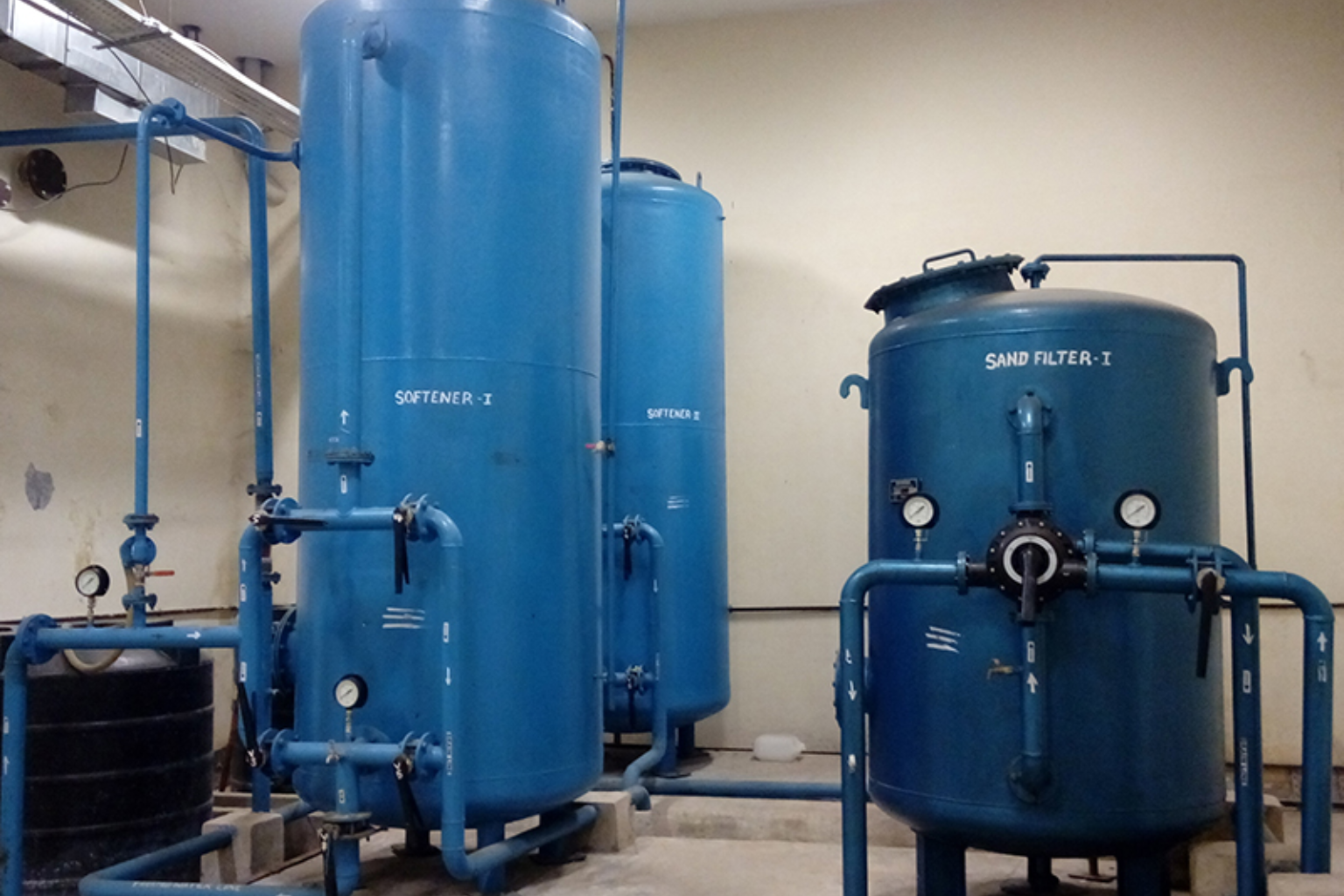
Instead of fighting hard water at the surface level, some systems address it at its core. That’s exactly what ion exchange systems are designed to do. They work by swapping out those troublesome minerals for ones that don’t cause buildup, essentially transforming how water behaves before it even reaches your taps.
You don’t see it happening. There’s no dramatic moment. But the results? They show up everywhere.
Soap starts to lather properly again. Surfaces stay cleaner for longer. Water begins to feel lighter, almost smoother.
And suddenly, those little frustrations start to disappear.
When Everyday Routines Start Feeling Better
The real magic of softer water isn’t in a single big change—it’s in a series of small ones.
Your morning shower feels more refreshing. Your skin doesn’t feel as dry. Your hair, somehow, behaves better. It’s not a miracle cure, but it’s noticeable.
These are the quiet, everyday improvements that come with soft water benefits. They don’t demand attention, but they make your routine feel easier, more comfortable.
Even your laundry gets a subtle upgrade. Clothes feel softer, colors stay vibrant longer, and you might even find yourself using less detergent without sacrificing results.
It’s the kind of change that doesn’t shout—but it sticks.
What You Don’t See Matters Just as Much
While the visible improvements are nice, there’s a whole layer of benefits happening behind the scenes.
Hard water doesn’t just affect what you see—it impacts what you don’t see. Inside your pipes, your water heater, your dishwasher—minerals build up over time, slowly reducing efficiency.
This is where appliance protection becomes more than just a technical term. It’s about extending the life of the things you rely on every day.
When scale isn’t constantly forming inside your systems, everything runs a bit smoother. Water heaters heat faster. Dishwashers clean more effectively. Even plumbing systems stay in better condition over the long term.
It’s not the kind of benefit you notice immediately—but it’s one you’ll appreciate later.
Why People Don’t Act Right Away
If the benefits are so clear, why do so many people wait?
Because hard water doesn’t feel urgent.
It’s not like a broken pipe or a leaking tap. It doesn’t demand immediate attention. Instead, it lingers—just inconvenient enough to notice, but not enough to force action.
So we adapt. We work around it. We tell ourselves it’s normal.
Until one day, it isn’t.
Finding the Right Approach Without Overthinking It
One of the biggest misconceptions about water treatment is that it has to be complicated.
In reality, it’s more about understanding your water than anything else. A simple test can reveal what you’re dealing with—how hard your water is, what minerals are present, what might be affecting your daily experience.
From there, the solution becomes clearer.
You don’t need the most advanced setup. You need something that fits your home, your usage, your lifestyle.
And once it’s in place, you’ll probably forget about it—which is exactly the point.
A Change That Blends Into Your Life
The best upgrades are the ones that don’t feel like upgrades.
They don’t require constant attention. They don’t interrupt your routine. They just quietly improve things in the background.
That’s what better water does.
You stop thinking about it. You stop noticing the small annoyances because they’re no longer there. It becomes part of your home—reliable, consistent, almost invisible.
Final Thoughts, Somewhere Between Comfort and Convenience
If you’ve ever felt like your water could be better—even just a little—you’re probably right.
Not because something is terribly wrong, but because there’s room for improvement. And sometimes, that improvement comes from addressing something as simple as the minerals in your water.
Better water doesn’t need to be dramatic. It just needs to feel right.
And once it does, you’ll wonder how you ever settled for anything less.

