

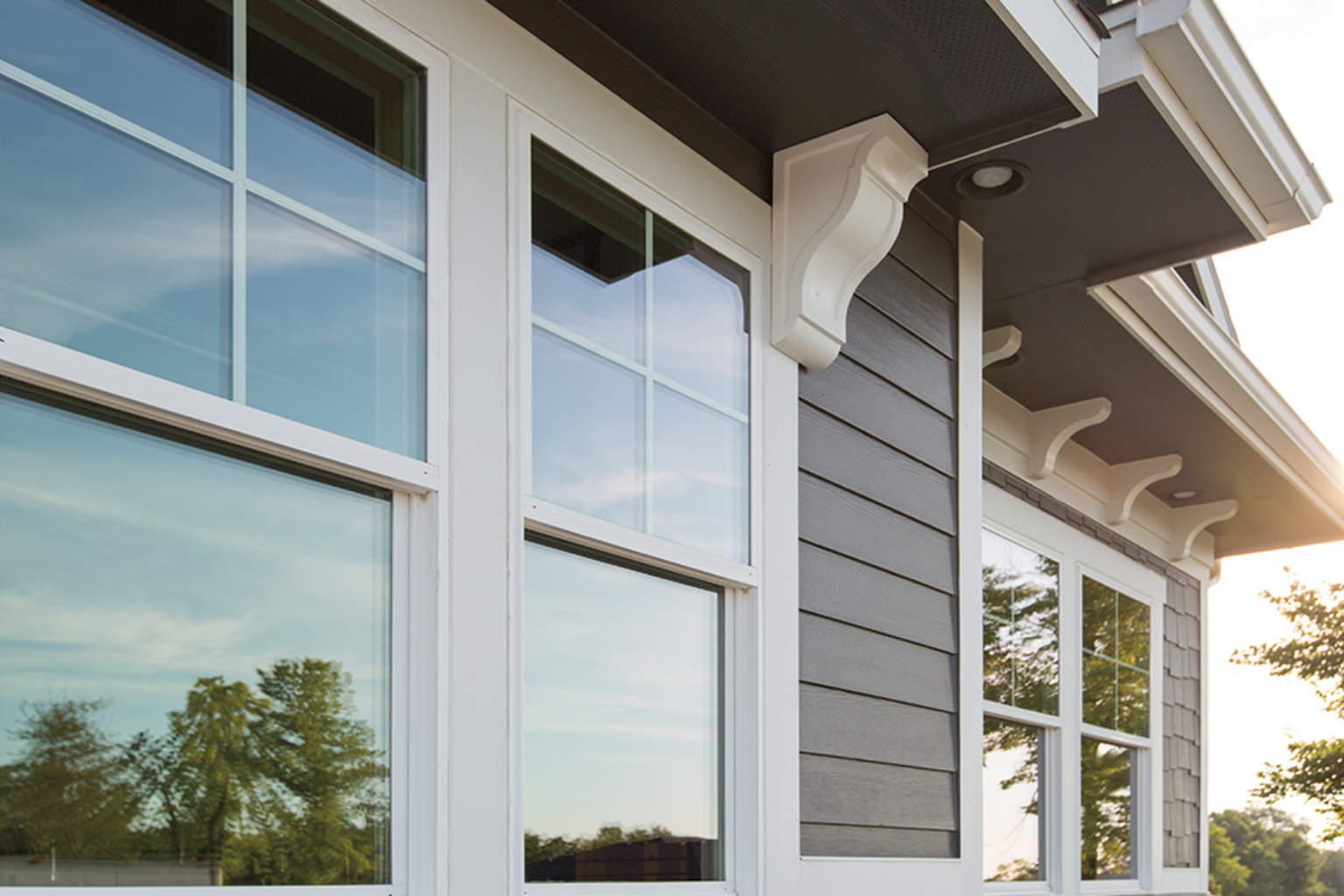
There’s a quiet moment most homeowners know — usually sometime in the afternoon — when sunlight pours through a window just right. Dust particles float in that golden beam, the room feels warmer, calmer, almost alive. And in that small moment, you realize something simple but profound: windows don’t just sit in walls. They shape how a home feels.
We often think about paint colors, furniture, or flooring when improving our spaces. Windows? They tend to stay low on the list. Until they start leaking air, fogging up, or letting in drafts strong enough to make winter mornings unbearable. Then suddenly, they matter a lot.
Why Windows Matter More Than We Notice
A good window does far more than provide a view. It influences natural light, energy usage, comfort, and even how quiet a room feels. In many ways, windows are the bridge between indoor living and the outside world.
Older homes, especially, tend to have windows that struggle with insulation. You might notice cold spots near the glass, rising utility bills, or that faint whistle sound when the wind picks up. These aren’t just minor inconveniences — they’re signs your home may be losing efficiency.
Replacing windows isn’t only about fixing problems. It’s also about improving how a space functions day to day.
The Emotional Side of Natural Light
There’s something deeply personal about light in a home. It affects mood in ways we don’t always consciously recognize.
Bright, natural light can make rooms feel larger and more welcoming. It boosts productivity in home offices. It even supports mental well-being — something many people noticed more clearly after spending long stretches of time indoors during recent years.
This is why homeowners often say window upgrades feel like more than a renovation. They feel like a lifestyle improvement.
Understanding Material Choices
When people begin researching window replacements, they quickly discover just how many options exist. Frame materials, glazing types, styles — it can feel overwhelming.
But at the heart of the decision is durability and performance.
For instance, many homeowners turn to Pella windows because of their balance between aesthetics and functionality. Known for their craftsmanship, they offer options ranging from classic wood interiors to modern fiberglass frames. That flexibility allows homeowners to match both design preferences and practical needs.
What makes them appealing isn’t just appearance — it’s the long-term reliability they bring to everyday living.
Balancing Tradition and Innovation
Another trusted name often enters the conversation when discussing high-quality window solutions.
Homeowners frequently consider Andersen windows for their strong reputation in durability and design innovation. These windows often combine composite materials with wood or vinyl elements, creating products that resist weather damage while maintaining an elegant look.
What sets them apart is their adaptability. Whether you’re renovating a historic home or updating a contemporary space, they tend to offer solutions that fit naturally into different architectural styles.
And that matters more than people think. Windows shouldn’t look like afterthoughts — they should feel like they belong.
Energy Efficiency: The Hidden Benefit
Beyond style and durability, energy performance has become one of the biggest factors in window replacement decisions.
Modern energy efficient windows are designed to reduce heat transfer, meaning they help keep indoor temperatures stable regardless of weather conditions outside. Double or triple glazing, low-emissivity coatings, and gas-filled panes all work together to improve insulation.
The result? Lower heating and cooling costs. More consistent indoor comfort. And a home that feels noticeably quieter because high-performance windows also reduce outside noise.
For many homeowners, these benefits become obvious within the first year after installation.
The Installation Factor
One thing that often surprises people is how much installation quality affects window performance.
Even the best window on the market won’t function properly if it’s installed incorrectly. Air leaks, water intrusion, and structural stress can all result from poor installation practices.
That’s why professionals emphasize hiring experienced installers. A precise fit, proper sealing, and careful alignment ensure the windows perform as intended for decades.
It’s one of those details that’s easy to overlook — but it makes a huge difference.
Aesthetic Transformation
Beyond function, new windows can dramatically change how a home looks both inside and out.
From the street, updated windows improve curb appeal. Inside, they frame views differently, making outdoor scenery feel more connected to indoor spaces.
Many homeowners describe the change as subtle yet powerful. The home feels brighter, fresher, more open — even if nothing else has changed.
Long-Term Value
While replacing windows requires an upfront investment, it often pays off in multiple ways over time.
Energy savings reduce monthly expenses. Improved comfort enhances daily living. And when it comes time to sell, updated windows can increase property value and attract buyers.
In many cases, homeowners find that new windows are among the most practical and rewarding upgrades they can make.
A Quiet but Meaningful Upgrade
It’s interesting how something as simple as a window can influence so much — light, comfort, energy use, even emotional well-being.
We tend to notice them most when they stop working properly. But when they function beautifully, they fade into the background, quietly doing their job every single day.
And maybe that’s what makes great windows special. They don’t demand attention. They just make life inside a home feel better, brighter, and a little more peaceful.

