

Most people don’t think about water until something feels slightly off. Maybe it’s the faint chlorine smell when filling a glass. Maybe it’s stubborn spots on dishes after washing. Or maybe it’s simply that nagging question that pops up now and then — is the water in my home really as clean as it should be?
It’s rarely a dramatic realization. Instead, it tends to happen gradually. Over time, small inconveniences start adding up, and homeowners begin paying closer attention to something they once took for granted.
And that’s often the moment when people discover how deeply water quality affects daily life — not just in obvious ways, but in subtle, surprisingly meaningful ones.
The Quiet Role Water Plays in Everyday Comfort
Water touches nearly every aspect of home life. It’s there in the morning when coffee is brewed, in the kitchen while preparing meals, and in the evening when showers help wash away the stress of the day.
Because it’s so constant, it’s easy to overlook how much its quality influences comfort. Hard water can leave mineral buildup on faucets and appliances. Chemical residues can affect taste and odor. Sediment particles can cloud water clarity.
When homeowners begin exploring sistemas de filtración, they often do so to solve a specific problem — perhaps improving taste or reducing residue. But what they frequently discover is something much broader: a noticeable improvement in overall daily routines.
Clean water makes cooking easier, cleaning faster, and even personal care more comfortable.
Understanding What “Quality Water” Really Means
Many people assume that if water looks clear, it must be clean. In reality, water quality involves multiple factors beyond appearance.
Mineral content affects hardness and appliance wear. Chemical treatments like chlorine impact taste and odor. Microscopic particles and dissolved solids can influence both safety and comfort.
True agua de calidad is about balance — water that is free from harmful contaminants while maintaining essential minerals for safe consumption.
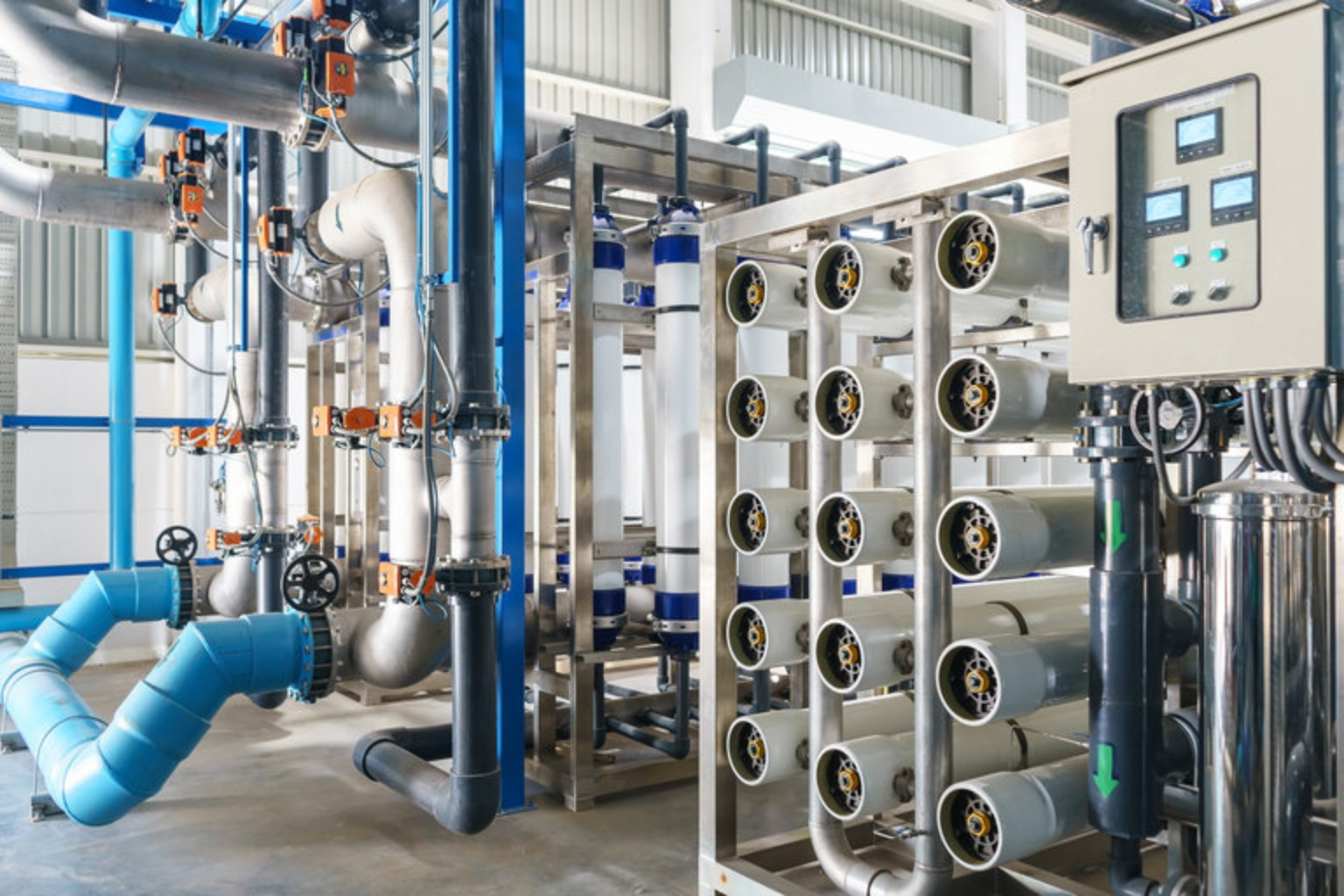
Modern filtration systems achieve this through layered processes. Sediment filters remove visible particles. Activated carbon reduces chemical compounds. Advanced membranes eliminate microscopic impurities.
The result isn’t just cleaner water — it’s water that feels noticeably different, often described as smoother, fresher, and more reliable.
The Unexpected Benefits of Filtration
What surprises many homeowners is how many areas of life improve once filtration systems are installed.
Laundry feels softer because mineral buildup is reduced. Soap and shampoo lather more effectively. Kitchen surfaces stay cleaner due to fewer mineral deposits.
Even appliances benefit. Water heaters, dishwashers, and washing machines tend to last longer when they aren’t exposed to excessive hardness or sediment.
Over time, these improvements translate into both convenience and cost savings — making filtration systems not only a comfort upgrade but also a practical investment.
Building Trust Through Reliable Water Quality
One of the most significant yet often overlooked benefits of water filtration is the sense of reassurance it provides.
When homeowners know their water is consistently treated and monitored, it eliminates daily uncertainties. They no longer hesitate before drinking from the tap or worry about hidden impurities affecting their families.
This sense of confianza del cliente is particularly important for households with children, elderly members, or individuals with health sensitivities.
Reliable water quality becomes more than a technical improvement — it becomes a foundation of everyday peace of mind.
How Modern Filtration Technology Works
Today’s filtration systems are far more advanced than traditional faucet filters. Whole-home solutions treat water at the point of entry, ensuring that every tap delivers filtered water.
Multi-stage processes address different types of impurities simultaneously. Sediment filters capture physical particles. Carbon filters neutralize chlorine and organic compounds. Reverse osmosis membranes remove dissolved solids and microscopic contaminants.
These technologies operate quietly in the background, requiring minimal maintenance while providing continuous benefits.
Because of this reliability, many homeowners eventually stop thinking about their filtration systems altogether — until they encounter untreated water elsewhere and immediately notice the difference.
Small Changes That Lead to Long-Term Benefits
Improving water quality doesn’t require drastic lifestyle changes. Often, it begins with simple steps: testing water conditions, understanding local supply characteristics, and selecting filtration systems that address specific needs.
Once installed, these systems work consistently without disrupting daily routines. They reduce cleaning effort, protect appliances, and enhance overall comfort.
Over time, these small advantages accumulate, creating a home environment that feels more stable and supportive.
The Emotional Impact of Clean Water
There’s also a psychological dimension to water quality that’s rarely discussed. Knowing that your home’s water is clean and reliable creates a subtle sense of security.
It removes background concerns about safety. It simplifies everyday decisions. It allows families to focus on enjoying their living spaces rather than worrying about potential problems.
This emotional benefit often becomes one of the most valued aspects of filtration systems.
A Quiet Transformation That Lasts
At its core, improving water quality is about more than technology. It’s about enhancing daily living in ways that feel natural and effortless.
Clean water doesn’t demand attention. It simply supports life — from cooking and cleaning to health and comfort — in a steady, reliable manner.
And perhaps that’s why so many homeowners consider filtration systems one of the most meaningful upgrades they can make.
They don’t change the appearance of a home. They change how it feels to live there.
And in the end, that quiet transformation is what truly matters.

