

There’s a certain kind of relief that comes from catching a problem early. Not the dramatic kind—the kind where everything almost went wrong, but didn’t.
Roof issues often live in that space. They don’t usually arrive with chaos. No loud cracks, no sudden collapse. Just subtle signs—a slightly lifted edge, a faint stain, maybe a loose piece that doesn’t sit quite right anymore.
It’s easy to ignore those things. Life’s busy, after all. But roofs have a way of reminding you that small problems don’t stay small forever.
When Minor Damage Isn’t Really Minor
A single broken tile or a couple of worn shingles might not seem like a big deal. You notice it, think about it for a second, and then move on.
But here’s the thing—those small gaps are openings. Entry points for water, air, and eventually, more damage.
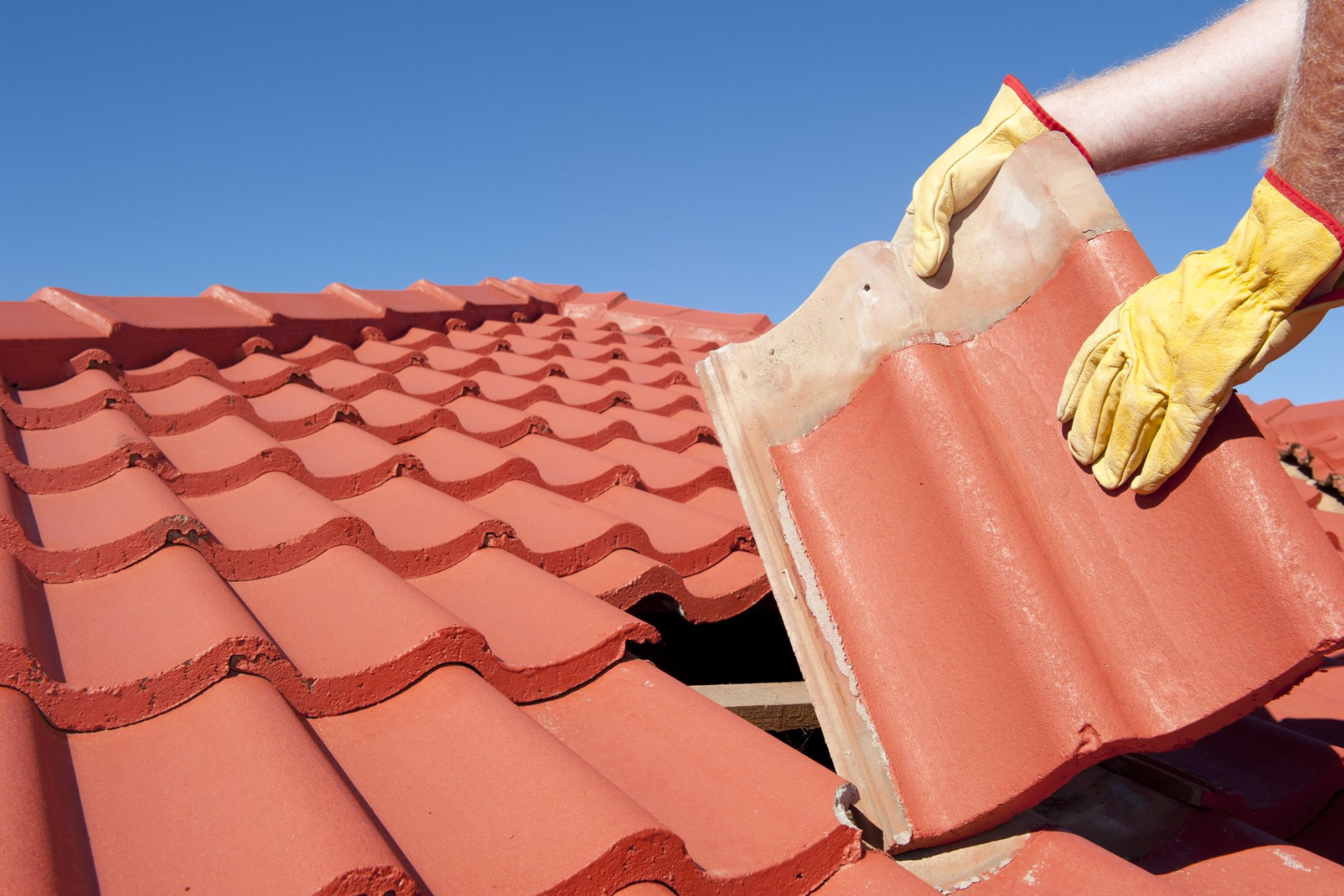
That’s where tile & shingle fixes come in. They’re not glamorous. No big transformation, no before-and-after photos worth showing off. Just careful, targeted repairs that quietly restore the roof’s integrity.
I once saw a roof where a few missing shingles had been ignored for months. By the time someone finally addressed it, the underlying layer had already started to deteriorate. What could’ve been a quick fix turned into something more involved.
That’s usually how it goes. The longer you wait, the more complicated it gets.
The Overlooked Details That Matter Most
If there’s one part of the roof that doesn’t get enough attention, it’s the flashing.
Not exactly a household term, right? Most people don’t think about it until it fails.
Flashing is what seals the vulnerable areas—around chimneys, vents, skylights, edges. Places where different parts of the roof meet. And when it starts to wear out or loosen, water doesn’t need much of an invitation.
That’s why flashing replacement can be such a critical repair, even if it doesn’t sound urgent at first.
I remember a situation where everything on the roof looked fine from a distance. No broken tiles, no visible damage. But inside, there was a persistent leak.
Turned out, the flashing around a vent had deteriorated just enough to let water seep in during heavy rain. Invisible from the outside, but very real inside the house.
It’s a good reminder that not all problems are obvious.
Quick Fixes That Actually Work (When Done Right)
There’s a bit of a reputation around patching—people tend to think of it as a temporary solution. A quick fix that doesn’t really last.
But that’s not always true.
When done properly, roof patching can be an effective way to address localized damage without needing a full repair or replacement. It’s about isolating the issue and reinforcing that specific area.
The key, though, is precision.
Slapping on a patch without understanding the underlying cause won’t solve much. But a well-executed patch—applied to the right spot, using the right materials—can extend the life of your roof significantly.
It’s one of those things that depends entirely on how it’s done.
Why These Small Repairs Add Up Over Time
It’s easy to think of roof repairs as isolated tasks. Fix this, patch that, replace a piece here and there.
But over time, these small actions create a pattern. A history of care that keeps the roof functioning longer than expected.
Skipping those fixes, on the other hand, creates a different pattern. One where issues compound, layers weaken, and eventually, bigger decisions become unavoidable.
I’ve seen both approaches. And the difference isn’t just financial—it’s about peace of mind.
When you stay on top of small repairs, you don’t have to worry as much about sudden surprises.
The Human Side of Maintenance
Let’s be honest—no one enjoys dealing with roof issues. It’s not something you wake up excited to handle.
But there’s a certain satisfaction in taking care of things before they spiral. In noticing a problem and actually doing something about it.
It’s a bit like fixing a squeaky door or tightening a loose handle. Small actions that keep everything running smoothly.
And over time, those actions build a kind of quiet confidence. You know your home is being looked after.
Knowing When to Act (and When to Wait)
Not every issue needs immediate attention. Some things can wait a little. Others shouldn’t.
The tricky part is knowing the difference.
A small cosmetic issue? Probably fine to monitor. A potential leak point? Better to address it sooner rather than later.
If you’re unsure, it’s always worth getting a professional opinion. Not necessarily to commit to a repair, but to understand what you’re dealing with.
Because sometimes, clarity is all you need to make the right decision.
Final Thoughts — It’s the Little Things That Matter Most
Roofs don’t demand attention often. And when they do, it’s usually because something has already gone wrong.
But the truth is, most major issues start small.
A loose tile. A worn-out seal. A tiny gap that no one noticed at first.
Taking care of these small things might not feel urgent. It might not feel important. But over time, it makes all the difference.
Because a well-maintained roof doesn’t just protect your home—it saves you from bigger problems you never have to face.
And sometimes, that’s the best kind of solution—the one you never even realize you needed.

