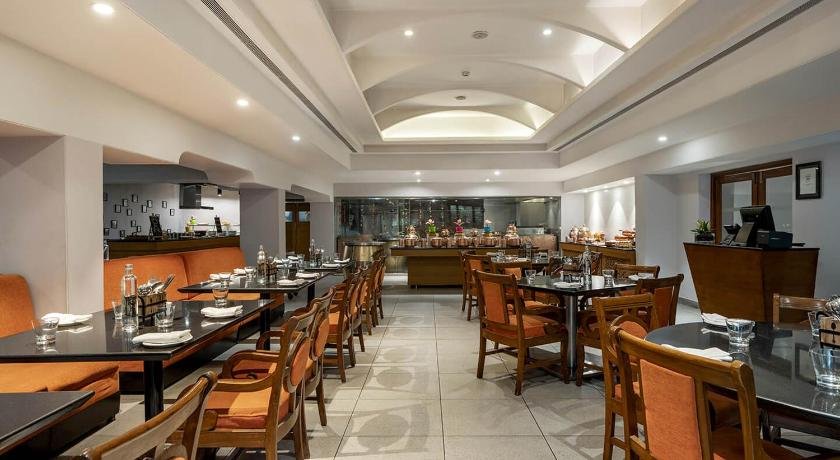
A city is more than roads, buildings, traffic lights, and crowded markets. Anyone who has lived in the same place for years knows this. What really makes a city feel livable is often the collection of places we depend on without thinking much about them.
It might be the café where someone remembers your usual order, the hotel that becomes a temporary home during a family trip, or the medical facility you hope you won’t need but are relieved to have nearby. These places become part of everyday life in ways that aren’t always obvious.
And interestingly, our expectations of them have changed quite a bit.
We Choose Places Differently Now
Not too long ago, finding a local business usually meant asking someone you trusted. A neighbor knew a good mechanic. A colleague recommended a doctor. Your cousin had a favorite place for dinner.
Word of mouth still matters, probably more than businesses sometimes realize, but the search often begins online now.
People check maps, photographs, opening hours, customer comments, menus, prices, parking information and dozens of other little details before leaving home. Sometimes we spend twenty minutes researching a place we’ll only visit for an hour.
That sounds excessive, but there’s a reason for it. People don’t just want options anymore. They want confidence that they’ve chosen well.
Food Is About More Than What’s on the Plate
Think about how people choose restaurants today.
Of course, the food matters. Nobody goes back to a place repeatedly because the chairs were comfortable while dinner was terrible. Still, food is only one piece of the experience.
Was the place clean? Did the staff make people feel welcome? Was it unbearably noisy? Could a family comfortably bring children? Did the meal actually look anything like the photographs online?
Small details stick with us.
A modest neighborhood eatery with warm service and consistently good food can build a more loyal following than a fashionable venue with expensive interiors. People remember how a place made them feel. That’s hard to measure with stars and ratings, but it’s often what brings them back.
Local food businesses that understand this tend to create something stronger than customer traffic. They create familiarity.
A Good Stay Should Feel Effortless
Travel creates a slightly different set of expectations.
When people look at hotels, they’re usually buying more than a room and a bed. They’re buying convenience, rest and, in an unfamiliar city, a little reassurance.
Sometimes the things that matter most aren’t glamorous at all.
A smooth check-in after a long journey. Clean bedding. Reliable Wi-Fi when there’s an important morning call. Staff who can explain how to reach a nearby railway station without making it sound complicated.
These are ordinary things, yet ordinary things become surprisingly important when you’re tired and away from home.
That’s also why genuine guest reviews have become so influential. Promotional photographs can show a beautiful lobby, but previous visitors often tell you what staying there actually feels like.
Healthcare Changes the Meaning of “Nearby”
There are some services we browse casually and others where location, reliability and trust suddenly become serious matters.
Access to hospitals belongs firmly in the second category.
Most of us don’t spend a normal Tuesday thinking about emergency departments, diagnostic facilities or specialist availability. But when a family member becomes ill or an accident happens, distance can suddenly feel very different.
A facility ten minutes away feels close. One an hour away doesn’t.
Good healthcare infrastructure also influences how comfortable people feel living in an area, particularly families with young children, older adults or relatives who need regular medical attention. It’s one of those factors that may not make a neighborhood look exciting in a photograph, but it can make everyday life considerably easier.
Local Places Create the Character of a Neighborhood
What’s interesting is how these different places connect.
A busy medical district may support cafés, pharmacies and accommodation nearby. A popular tourist neighborhood can encourage new food businesses and better transportation. A growing residential area may eventually attract clinics, supermarkets, gyms and other useful services.
Cities evolve through these small relationships.
You can sometimes watch it happen in real time. A quiet road gets a new coffee shop. Then another business opens beside it. Foot traffic increases. A few years later, the whole stretch feels completely different.
Not every change is positive, obviously. Rapid development can increase rents, create congestion and push out older local businesses. Growth works best when it improves convenience without stripping an area of the character that made people enjoy it in the first place.
Online Information Has Become Part of the Experience
There’s another side to all this that’s easy to overlook: digital information is now almost part of the physical place itself.
Wrong opening hours can ruin a visit before it begins. An outdated phone number creates frustration. Missing accessibility information can make planning unnecessarily difficult. Poor photographs may cause people to ignore an otherwise excellent business.
For local organizations, keeping online information accurate isn’t merely a marketing exercise anymore. It’s customer service.
People increasingly move between the digital and physical world without treating them as separate experiences. They discover something online, visit it offline, review it online again, and that review influences the next person’s decision.
It’s a continuous little loop.
What Makes a Place Worth Returning To?
Technology has made finding local services easier, but it hasn’t changed the basic things people value.
We still appreciate cleanliness. Reliability matters. Kindness matters. Fair pricing matters. So does the feeling that the people running a place actually care whether our experience is good.
A business can have polished branding, hundreds of reviews and a beautifully designed website. Those things certainly help people discover it. But eventually someone walks through the door.
That’s where reputation becomes real.
The places that become meaningful parts of a city are rarely memorable because of one clever advertisement or trendy feature. They’re remembered because they consistently solve ordinary human needs — a good meal, a comfortable night’s sleep, dependable care, or simply a place where someone feels welcome.
And perhaps that’s what makes a city feel like home. Not the skyline or the famous landmarks, but the dependable places woven quietly into everyday life.