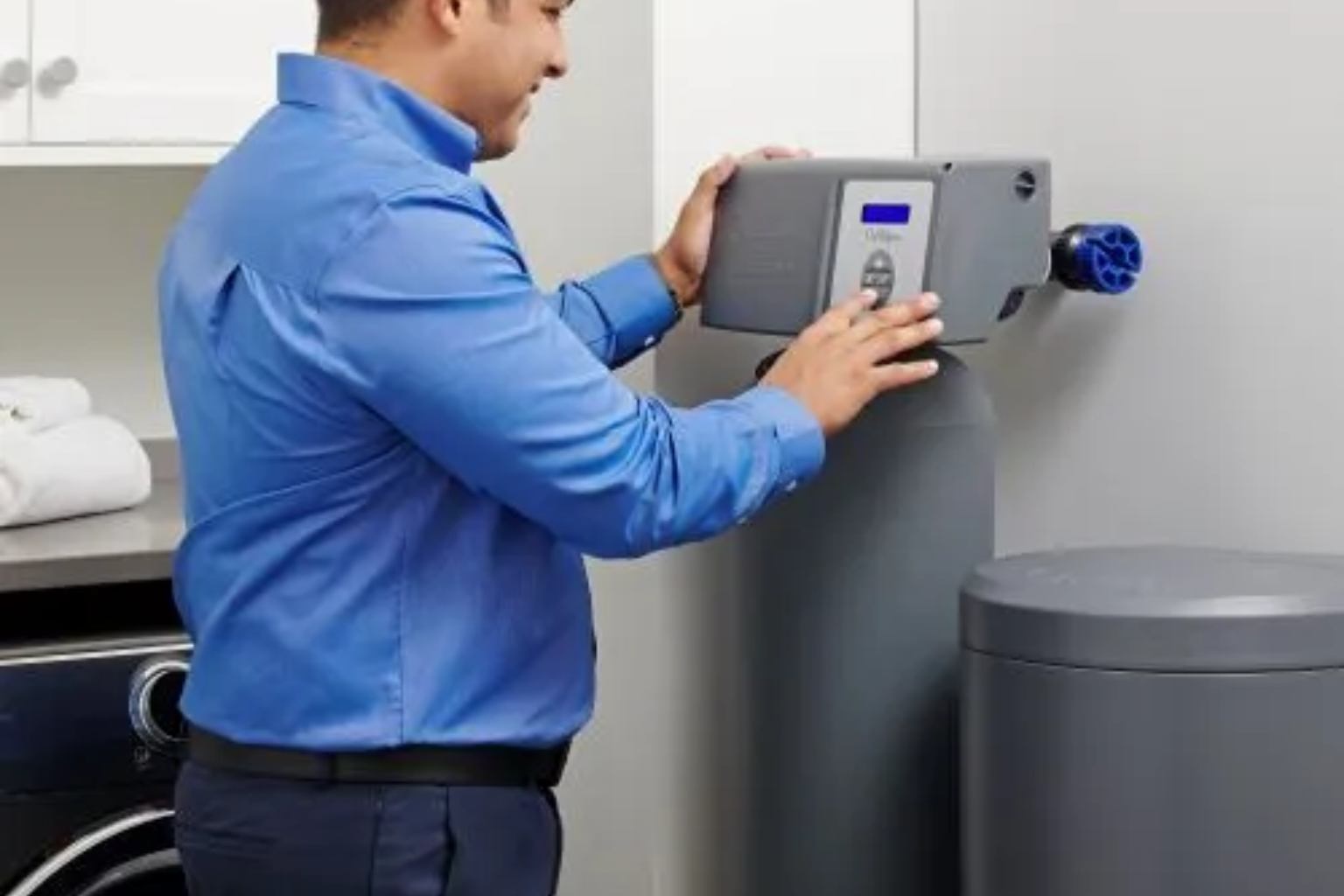
It’s funny how something as ordinary as water can make such an extraordinary difference once you start paying attention to it. Most of us don’t really think about what flows from the tap — we just expect it to be clean, safe, and usable. And in many ways, it is. But “safe” doesn’t always mean optimal.
Sometimes, the water has a faint chemical smell. Other times, it tastes slightly flat, or leaves behind chalky spots on glasses. None of these issues are dramatic enough to cause alarm, so we simply live with them. It becomes normal.
Until, of course, you experience what truly clean water feels like. That’s when people realize how much water quality quietly shapes everyday life.
Why Water Quality Is More Than Just Safety
Most public water systems focus on meeting safety standards, which is incredibly important. However, those standards don’t necessarily address taste, odor, or the smaller contaminants that affect comfort and usability.
That’s why home filtration has become increasingly popular. It allows people to refine their water beyond basic treatment — not because their water is unsafe, but because they want it to be better.
Better tasting. Better smelling. Better for cooking, cleaning, and everyday use.
It’s less about solving a crisis and more about upgrading a daily experience.
The Importance of Trust in Filtration Systems
One of the biggest concerns homeowners have when choosing a filtration system is credibility. With so many options available, it can be difficult to know which products truly perform as advertised.
This is where NSF certified systems come into play. Certification from organizations like NSF International means the system has been independently tested to meet strict performance and safety standards.
In simple terms, it’s a stamp of reliability. It reassures homeowners that the system isn’t just marketing hype — it’s backed by measurable results.
That kind of trust matters, especially when the goal is to improve something as essential as drinking water.
Why Smaller Solutions Often Make the Biggest Impact
Not every homeowner wants a whole-house filtration system. For many, improving drinking water quality at a single tap is enough to transform their daily routines.
This is where under-sink filters have become incredibly popular. Installed discreetly beneath the kitchen sink, they treat water at the exact point where it’s most frequently used.
What makes them appealing is their simplicity. They don’t require major plumbing changes, and they focus specifically on enhancing drinking and cooking water.
For households looking for an easy entry point into filtration, this type of system often provides the perfect balance between convenience and effectiveness.
The Taste Difference That Changes Habits
Perhaps the most immediate and noticeable benefit of improved filtration is taste.
Clean water should feel refreshing, neutral, and crisp — not flat or chemically altered. When filtration removes residual chlorine, sediment, and organic compounds, the improvement can be surprisingly dramatic.
Access to great-tasting water often changes daily habits without people even realizing it. They drink more water naturally. They rely less on bottled beverages. Coffee tastes smoother, tea flavors feel richer, and even cooking becomes more enjoyable.
It’s a subtle shift, but one that can influence overall wellness in meaningful ways.
Everyday Advantages That Go Beyond Drinking
Better water quality doesn’t only affect what you consume — it impacts how you interact with water throughout your home.
Filtered water can reduce mineral buildup in kettles and coffee machines. It can help dishes dry without cloudy residue. It may even allow soaps and detergents to work more effectively, reducing the amount needed.
Over time, these small improvements make daily tasks feel easier and more efficient.
And because filtered water places less strain on appliances, it can help extend their lifespan as well.
Environmental and Financial Benefits
Another often-overlooked advantage of home filtration is its environmental impact.
When households rely less on bottled water, they significantly reduce plastic waste. Over months and years, this shift contributes to a more sustainable lifestyle.
At the same time, purchasing bottled water regularly can become surprisingly expensive. Investing in a filtration system often pays for itself through long-term savings.
It’s one of those rare upgrades that supports both personal convenience and environmental responsibility.
The Psychological Comfort of Clean Water
Beyond practical benefits, there’s something deeply reassuring about knowing your water has been filtered.
It creates a sense of confidence — the quiet certainty that what you’re drinking and cooking with is truly clean.
This peace of mind may not show up on a utility bill or a maintenance report, but it’s a powerful part of why homeowners value filtration systems.
Once that confidence becomes part of daily life, it’s hard to imagine going back.
Why Filtration Feels Like a Subtle Lifestyle Upgrade
Unlike renovations or major home improvements, water filtration doesn’t change what your house looks like.
Instead, it changes how it feels to live there.
You notice it in clearer glasses of water, smoother morning coffee, and the simple comfort of knowing your tap water meets higher standards.
These changes don’t happen all at once. They unfold gradually, becoming part of a better daily routine.
A Quiet Investment That Pays Off Every Day
In the end, improving water quality is less about solving a problem and more about enhancing a fundamental part of life.
Water is constant — it touches nearly every activity in a household. When its quality improves, everything connected to it becomes slightly easier, more efficient, and more enjoyable.
It’s a quiet upgrade, one that doesn’t demand attention but consistently delivers value.
And perhaps that’s the best way to describe it: when water is truly clean, you don’t think about it at all. You simply enjoy the comfort it brings, day after day, without even realizing how much it has improved your everyday life.